


The JournalCommerce
Understanding the Franchise Tax Board: Key Insights and Tips
By Andres Platts · January 16, 2026 · 14 min read
Quick answer
Uncover essential insights and tips about the Franchise Tax Board. Learn how to navigate tax obligations and maximize your benefits efficiently today!

California Franchise Tax Board: What It Means for Your Business and How to Stay Compliant

The Franchise Tax Board (FTB) is California’s state agency that administers personal and corporate tax laws, collects payments, and enforces compliance for businesses that operate or earn income in California. This guide walks through how the FTB works, who typically owes franchise tax, and how the franchise tax differs from corporate income tax, with clear, practical steps you can use to meet your obligations. Many foreign and Latino entrepreneurs face extra complexity from nexus rules, language gaps, and multi-state exposure; we map filing deadlines, calculation methods, and a prevention checklist to help reduce fines and audit risk. You’ll find plain‑language explanations, side‑by‑side comparisons with Delaware, Texas and Florida, and targeted workflows for items like Beneficial Ownership Information (BOI) and annual reports. Practical examples and service options are included for anyone who wants professional help, and each section builds toward concrete next steps for filing and resolving disputes.
1. What the Franchise Tax Board Does and Why It Matters to Your Business
The Franchise Tax Board is the California agency that enforces the state’s personal and corporate tax laws, assesses liabilities, and provides taxpayer services and payment options. It runs filing systems, issues notices and assessments, and manages collections and audits to ensure businesses comply. The FTB also offers programs such as payment plans and penalty relief that can ease short‑term hardship for taxpayers who act promptly. Knowing the FTB’s role helps you identify where your business will interact with state tax processes and where proactive compliance lowers your risk.
The FTB’s core responsibilities that affect businesses and individuals include:
- Administering state personal income tax and corporate franchise and income tax returns and payments.
- Assessing tax liabilities, issuing notices, and conducting audits and collections for unpaid obligations.
- Providing taxpayer support via online accounts, downloadable forms, and guidance for filing and payments.
- Managing relief programs such as installment agreements and appeals for contested assessments.
These functions shape how businesses register, file, and respond to enforcement. The next section explains the typical filing lifecycle and administrative steps in more detail.
How the FTB Handles Corporate and Personal Tax Filings
The FTB processes returns through online accounts, electronic filing systems, and paper forms when needed, creating a lifecycle from registration to assessment. Businesses register with state authorities, obtain required identifiers, and file returns through MyFTB‑style portals that accept electronic payments and estimated tax deposits. Once returns are processed, the FTB reviews them, issues notices for discrepancies, and may open audits that require supporting documentation and possible appeals. Understanding that lifecycle helps you keep records organized and respond quickly to notices to minimize penalties.
Registering and managing assessments also highlights the services the FTB provides. The next subsection outlines the tools and options available to businesses.
What Support the Franchise Tax Board Offers Businesses

The FTB offers many resources to help businesses stay compliant: online filing portals, forms and publications, payment plans, and penalty relief options. Business accounts let you track filings, estimated payment schedules, and notices. Taxpayers can request audits, file appeals, and apply for installment agreements to manage liabilities. Knowing which services apply to your situation makes it easier to choose corrective actions that match your cash flow and long‑term compliance plan.
These resources are particularly valuable for newly formed or foreign‑owned entities working through California’s rules. Below we explain which types of entities are subject to franchise tax and what obligations they face.
If the rules feel overwhelming, trusted advisors can translate notices and set up compliance workflows. Prodezk provides advisory support for U.S. business setup and tax administration, helping interpret FTB notices and coordinate filings while keeping transparency and data security front of mind.
2. Who Must Pay California Franchise Tax, Which Entities Are Subject?
California’s franchise tax applies to entities that exercise the privilege of doing business in the state. Liability depends on entity type, nexus, and income or gross receipts thresholds. Generally, corporations organized or doing business in California, and many LLCs with sufficient activity or receipts, must register and file state tax returns or pay annual minimums. Nexus, established by payroll, sales, property, or physical presence, determines whether foreign entities owe California franchise tax even if they were formed elsewhere. Understanding these rules helps owners decide registration and tax‑planning next steps.
To make entity rules easier to scan, the table below summarizes common entity types and California franchise tax treatment:
Who Typically Pays California Franchise Tax?
C‑corporations formed in or doing business in California generally owe franchise tax, and many LLCs that meet gross receipt or activity thresholds must pay annual fees and the minimum tax. S‑corporations and other pass‑through entities follow distinct filing rules and may trigger owner‑level tax effects. Foreign entities must evaluate nexus factors, for example, a California office, employees, or significant sales, to determine whether franchise tax applies. The table above and this subsection provide clear examples to help you decide whether to register.
Next we cover the key filing dates and payment rules you should calendar to avoid penalties.
Key Filing Deadlines and Payment Requirements
California’s filing timeline generally follows federal schedules but includes state‑specific due dates for corporate returns, LLC annual taxes, and estimated payments. Corporations usually file annual returns and make quarterly estimated payments when required. LLCs pay an annual minimum tax and may owe tiered gross‑receipts fees. Penalties and interest accrue for late filings or payments, though the FTB offers payment plans and limited penalty relief. Keeping records in order and maintaining a filing calendar reduces missed deadlines and speeds audit responses.
Use this checklist to calendar your obligations:
- Corporate Returns : File annual corporate returns and make required estimated payments on time.
- LLC Annual Tax and Fees : Pay the state’s LLC annual tax and any gross‑receipts fee tiers by their due dates.
- Estimated Payments : Track and remit quarterly estimated payments if your entity’s tax liability requires them.
Keeping these tasks on your calendar helps prevent penalties and prepares your business for potential audits. The next section explains how franchise tax differs from corporate income tax.
3. Franchise Tax vs. Corporate Income Tax, What’s the Difference?
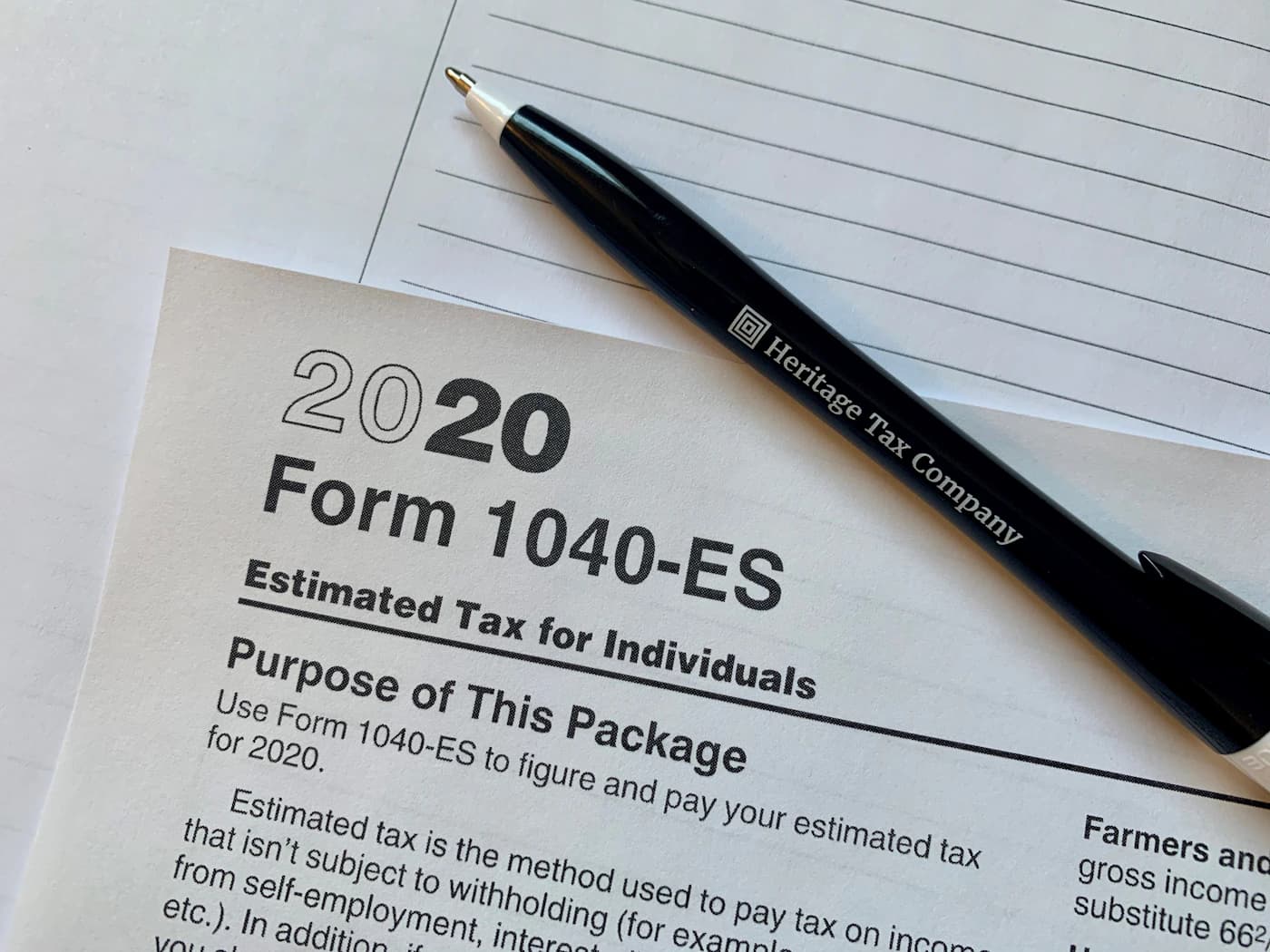
Franchise tax and corporate income tax are two separate concepts. Franchise tax charges the privilege of doing business in a state and is often a flat minimum or privilege‑based amount. Corporate income tax is levied on net taxable income and varies with profitability. Because franchise tax can apply even when a company shows losses, it can create cash‑flow pressures for startups and growth companies. Knowing the difference helps you choose entity type, state of operation, and timing for business activities.
The table below highlights the core differences:
How Franchise Tax Differs in Purpose from Income Tax
Franchise tax is a regulatory charge for the legal privilege of operating in a state and often applies as minimum fees regardless of profit. Income tax is based on net taxable income and reflects a business’s profitability. The upshot: even businesses that report losses may still owe franchise tax, so it’s important to plan cash flow and entity structure with those obligations in mind.
How Rates and Calculations Vary by Entity Type
Franchise tax rules vary by entity. Corporations generally face a minimum franchise tax plus income‑based liability, while LLCs pay a minimum and tiered fees tied to gross receipts rather than net income. Apportionment rules allocate multi‑state income using sales, payroll and property factors, and nexus determines whether a state can tax you at all. Two businesses with the same national profit can face very different state bills depending on entity form and apportionment. Model state‑specific calculations carefully when forecasting tax burden and choosing entity structure.
C‑corporations formed in or doing business in California generally owe franchise tax, and many LLCs that meet gross receipt or activity thresholds must pay annual fees and the minimum tax.
4. Common FTB Compliance Challenges for Foreign and Latino Entrepreneurs
Foreign and Latino entrepreneurs often face specific hurdles with the FTB: language barriers, unfamiliar U.S. tax concepts, and complex nexus and multi‑state filing rules. Documentation requirements, residency issues, and BOI reporting can be confusing without the right guidance or translations. These gaps increase the risk of missed filings, late payments, and misunderstandings during audits. Targeted education, bilingual resources, and repeatable compliance workflows make recurring tasks simpler and cut enforcement risk.
Typical practical challenges include:
- Language and documentation gaps that slow accurate filing and response to notices.
- Uncertainty about nexus for foreign entities with remote sales or digital services to California customers.
- BOI reporting and annual report deadlines that may be unfamiliar but carry enforcement consequences.
Solving these problems combines process improvements with accessible bilingual guidance, which helps ensure timely registration and consistent filings.
Unique Compliance Issues for Foreign Entrepreneurs in California

Foreign entrepreneurs must determine whether their activities create California nexus, factors include sales into the state, having employees or property, and other business presence. Nexus drives filing obligations. Nonresident owners must also reconcile different federal and state rules, meet withholding requirements on some payments, and keep documentation that satisfies FTB audit standards. Limited language access can make notices and deadlines harder to act on, increasing penalty risk. Standardized recordkeeping and early registration reduce these risks and prepare businesses for possible state inquiries.
How Prodezk Helps Foreign Businesses with Franchise Tax Compliance
Prodezk offers practical support for businesses entering the U.S.: multilingual assistance (including Spanish and Portuguese), BOI reporting help, annual report preparation, appeals support, and tools like an income tax calculator to estimate liabilities. Their services simplify administrative tasks, turn legal requirements into step‑by‑step actions, and coordinate filings to avoid fines and errors. For example, an anonymized client from Latin America with remote U.S. sales used Prodezk’s BOI and annual report services to register correctly, resolve a late‑filing notice, and settle a payment plan, avoiding escalating penalties. Preventive, bilingual support reduces enforcement exposure and frees entrepreneurs to focus on growth.
Prodezk’s approach shows how end‑to‑end bilingual support can fit into a compliance plan. The next section compares state rules that influence where to form or operate a business.
5. How Franchise Tax Rules Differ in Delaware, Texas and Florida
State franchise tax systems vary significantly and should factor into formation and operating decisions. Delaware charges a corporate franchise tax with different calculation options for corporations and modest annual fees for many LLCs. Texas uses a margin‑based franchise tax calculated on a business’s margin. Florida generally does not impose a franchise tax but has corporate income tax and other business filing requirements. These differences affect recurring costs, compliance complexity, and whether to form in one state while operating in another. Weigh formation benefits, for example, Delaware’s legal framework, against ongoing tax burdens in the states where you actually do business.
The table below summarizes key approaches and typical deadlines:
Prodezk advises on multi‑state compliance and can help translate these comparisons into smart formation and operating recommendations for your situation.
Delaware Franchise Tax Obligations for LLCs and Corporations
In Delaware, corporations typically owe a franchise tax calculated under statutory methods and must file annual reports . LLCs usually pay a smaller fixed annual fee rather than the corporation‑style franchise tax. Delaware’s corporate law is attractive for many founders, but corporate franchise tax can grow large for companies with high assumed capital or many authorized shares if certain calculation methods apply. Foreign entities doing business in Delaware may face registration requirements or minimal fees. Review Delaware’s filing forms and calculation options before incorporating there.
Because Delaware’s benefits come with ongoing costs, compare those obligations with other states like Texas, which uses a different margin‑based approach described next.
How Texas’s Franchise Tax Differs from California’s
Texas calculates its franchise tax on a business’s margin, essentially gross receipts minus allowed deductions, and applies thresholds and exemptions different from California’s minimum‑plus‑fee structure. California’s system, with minimum franchise taxes and LLC gross‑receipts fees, can hit low‑profit, high‑revenue businesses harder. Texas’s margin method ties liability to a defined margin metric instead of fixed fees. These differences affect where multi‑state businesses allocate activity and how apportionment and sales attribution shape overall state tax bills. Comparing methods helps you forecast liability and structure sales, payroll and property to manage tax exposure.
Understanding these state differences informs the practical compliance steps below to avoid penalties.

6. How to Avoid Penalties and File Franchise Tax on Time
Avoiding penalties starts with a reliable calendar, consistent recordkeeping, and early registration when nexus or activity thresholds are met. Regular internal reviews catch classification or apportionment errors before they become liabilities. Set up a filing schedule tied to corporate and LLC deadlines, track estimated payments, and keep documentation of income and receipts to reduce audit exposure. Professional services can streamline these tasks and help with appeals, but internal controls, monthly reconciliations and clear compliance ownership, are your first line of defense. The checklist below covers key prevention actions.
Use this checklist to build a repeatable compliance routine:
- Maintain a filing calendar listing entity‑specific deadlines and estimated payment dates.
- Standardize recordkeeping for sales, payroll, and property to support nexus and apportionment decisions.
- Perform quarterly compliance reviews to catch classification errors or missing registrations early.
- Respond quickly to notices and keep written records of communications to preserve appeal rights.
Common Filing Mistakes and How to Prevent Them
Common errors include failing to register when nexus exists, misclassifying entity type, overlooking LLC gross‑receipts fees, and missing estimated payments. Each can trigger penalties and interest. Prevent these mistakes with regular nexus checks based on sales and employee activity, clear documentation of entity formation and ownership, and reconciliation processes that compare federal and state filings. Assign responsibility for periodic compliance checks and keep records accessible, that prevents unfiled returns from piling up and makes audits easier to manage. These steps also strengthen any appeal if the FTB issues an assessment.
Why Use Professional Tax Services Like Prodezk?
Professional advisors reduce fines, save time, and provide multi‑state expertise. Prodezk focuses on simplified workflows, personalized attention, multilingual support, and services such as income and sales tax, annual reports, BOI reporting, appeals assistance, and tax calculators to estimate liabilities. Experienced advisors help model state tax exposure, apply correct apportionment methods, and negotiate payment plans or appeals when needed. The practical benefits are better accuracy, earlier detection of filing obligations, and administrative relief so you can focus on running the business. Choosing a provider with transparent processes and strong data security often pays for itself by avoiding costly penalties.
If you’re evaluating professional support, start by tightening recordkeeping, setting up a filing calendar, and consulting a qualified advisor to establish ongoing compliance controls.
Get a free consultation
7. Frequently Asked Questions
1. What types of businesses are exempt from California franchise tax?
Certain businesses may qualify for exemptions or relief. For example, newly formed corporations can sometimes get a first‑year exemption from the minimum franchise tax. Small businesses with gross receipts below specific thresholds may also face reduced fees or exceptions. Rules change over time, so check current FTB guidance or consult a tax professional to confirm eligibility.
2. How can businesses prepare for a potential audit by the Franchise Tax Board?
Prepare by keeping organized records of financial transactions, tax filings, and all correspondence with the FTB. Perform regular internal reviews to spot discrepancies and maintain a filing calendar to track deadlines. If you receive a notice, respond promptly and document communications. Working with a tax professional can improve audit readiness and help shape an effective response.
3. What are the implications of having multiple business locations in California?
Multiple locations can complicate nexus and filing obligations since each site may establish taxable presence. Evaluate activities at each location, sales volume, staff, and property, to determine nexus. Properly assessing each location helps avoid missed filings and unexpected liabilities.
4. What steps should foreign entrepreneurs take to comply with California tax laws?
Foreign entrepreneurs should first assess whether their activities create nexus in California and register if required. Learn federal and state rules that apply to nonresidents, including withholding obligations. Use bilingual resources or professional services to translate requirements into action, and standardize recordkeeping for BOI reporting and annual filings to reduce risk.
5. How does California's franchise tax affect business planning and cash flow?
California’s franchise tax can affect cash flow, especially for startups and small businesses, because minimum franchise taxes may be due even when the company has losses. Factor these obligations into financial forecasts and operational plans. A tax advisor can help identify relief options and timing strategies to reduce cash‑flow pressure.
6. What resources are available for businesses to understand their franchise tax obligations?
Start with the Franchise Tax Board’s website for official guidance, forms, and online tools. Prodezk and similar providers offer tailored support, multilingual assistance, tax calculators, and compliance checklists. A qualified tax professional can also give personalized advice for complex or multi‑state situations.
7. What are the benefits of timely filing and payment of franchise tax?
Timely filing and payment help you avoid penalties and interest, reduce audit likelihood, and keep good standing with the FTB. Compliance also supports credibility with partners and lenders. A proactive filing schedule and, when useful, professional help make timely compliance more manageable.
Conclusion
Understanding California’s Franchise Tax Board rules gives you control over compliance and helps protect your business from penalties and audits. Use available FTB resources and consider professional support to translate obligations into a clear, repeatable process. With the right recordkeeping, calendar and adviser, you can meet deadlines and focus on growing your business. If you want help, explore our services designed to simplify U.S. tax and reporting for international and local entrepreneurs.

A firm or advisor? Refer clients and build alongside Prodezk.
Further reading

Commerce4 min read
What Are Master Points?
This article explains what master points are in the music industry, how they are negotiated and distributed, and their importance for artists and producers.

Commerce6 min read
How to Start an Import and Export Business in the United States
Learn the steps to start an import and export business in the U.S., including legal requirements, licenses, and customs regulations.

Commerce4 min read
Requirements to Export to the US
To export goods to the United States you generally need a US or registered foreign entity, an EIN, an importer of record and often a customs broker, plus the shipping documents and agency compliance for your product.