


The JournalTaxes
Navigate U.S. Income Tax Compliance Services with Ease
By Andres Platts · February 13, 2026 · 8 min read
Quick answer
Simplify your U.S. income tax compliance with expert services tailored to your needs. Achieve peace of mind and stay compliant effortlessly.


U.S. Income Tax Guide for Foreign Investors, Clear, Practical Guidance

Investing in the U.S. from abroad can be rewarding, and complicated. This guide simplifies the core U.S. income tax rules that non-resident aliens and foreign investors need to know. We cover residency tests, the kinds of income the IRS taxes, the key forms you’ll likely encounter, how tax treaties can help, and practical steps to stay compliant and avoid penalties. Read on to get a clear picture of your obligations and the resources available to help you.
1. How U.S. Tax Residency Works for Non-Resident Aliens
Your tax residency status determines what income the U.S. taxes and which returns you must file. Individuals fall into two broad categories for tax purposes: non-resident aliens and resident aliens. The two main tests that decide your status are the Substantial Presence Test and the Green Card Test. Knowing which one applies is a first step to staying compliant.
How the Substantial Presence Test Works
The Substantial Presence Test counts the days you’re physically in the U.S. over a three-year span. You meet the test if you were in the U.S. at least 31 days in the current year and your weighted total for the three years equals 183 days or more. The weighting formula is: all days this year + one-third of last year’s days + one-sixth of the days from the year before that. Meeting the test generally means you’re treated as a resident alien and taxed on worldwide income.
Why the Green Card Test Matters
If you hold lawful permanent resident status (a green card) at any time during the calendar year, you’re treated as a resident alien for tax purposes regardless of how many days you spent in the U.S. That classification requires reporting and paying tax on worldwide income, similar to a U.S. citizen. This is an important consideration if you plan to pursue permanent residency.
2. Which Types of Income Are Taxable for Foreign Investors in the U.S.?
The IRS separates taxable income for non-U.S. persons into two main buckets: Effectively Connected Income (ECI) and Fixed, Determinable, Annual, or Periodical income (FDAP). Each category follows different rules for withholding, rates, and reporting.
How Effectively Connected Income (ECI) Is Taxed
ECI is income connected with a U.S. trade or business and is taxed at graduated rates like U.S. residents. Common examples include business income, rental income from U.S. real estate, and wages earned in the U.S. Non-resident aliens with ECI generally report it on Form 1040-NR and pay tax at the applicable rates.
What Counts as FDAP and How It's Taxed
FDAP covers passive types of income such as dividends, interest, and royalties. FDAP is typically subject to a flat 30% withholding tax for non-resident aliens unless a tax treaty sets a lower rate. Withholding is usually taken at the source, and recipients may still need to file Form 1040-NR to reconcile their tax position.
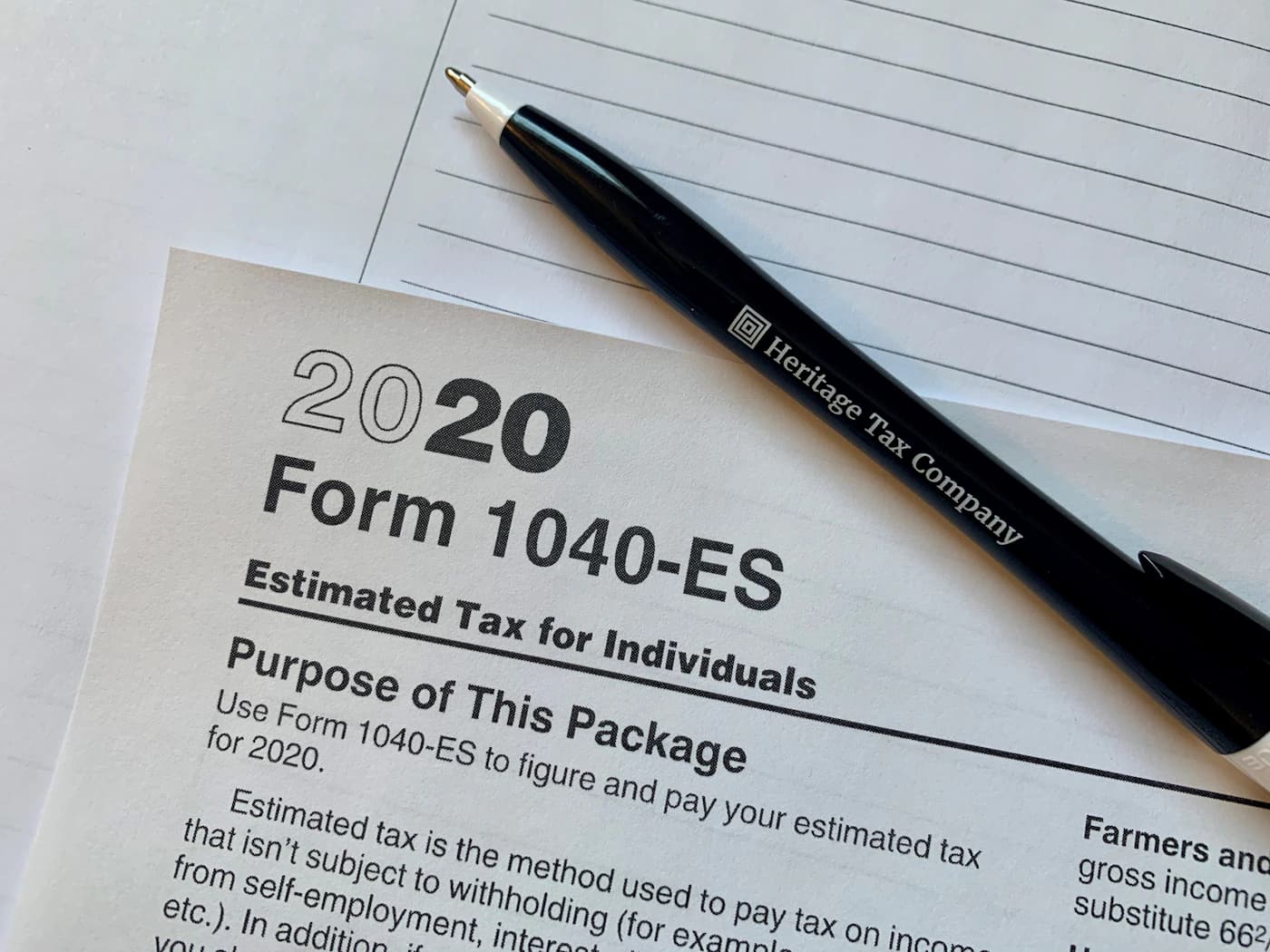
3. Key IRS Forms and Filing Requirements for Foreign-Owned U.S. Businesses
Foreign investors running U.S. businesses or collecting U.S.-source income must follow specific IRS filing rules. Knowing which forms apply and when they’re due helps avoid fines and compliance issues.
Who Must File Form 1040-NR, and When
Non-resident aliens with U.S.-source income or who are engaged in a U.S. trade or business must file Form 1040-NR. If you received wages subject to U.S. withholding, the filing deadline is typically April 15 of the year following the tax year; otherwise the deadline is June 15. Extensions may be available, but missing a filing can lead to penalties.
When Foreign-Owned LLCs and Corporations Need Form 5472
Form 5472 is required for foreign-owned U.S. corporations and certain foreign-owned U.S. disregarded entities (including single-member LLCs) that have reportable transactions with foreign related parties. It’s filed annually; failure to file can trigger significant penalties. Knowing when 5472 applies is essential for tax compliance.
4. How U.S. Income Tax Treaties Benefit Foreign Investors
Tax treaties between the U.S. and other countries can lower or eliminate withholding taxes, help prevent double taxation, and make cross-border investing more efficient. Treaty provisions vary by country and income type, so check the specific treaty language that applies to you.
FDAP is typically subject to a flat 30% withholding tax for non-resident aliens unless a tax treaty sets a lower rate.
Which Countries Have Treaties, and How They Reduce Withholding
The U.S. has income tax treaties with many countries, including Canada, the United Kingdom, and Australia, that often reduce withholding on dividends, interest, and royalties. These reduced rates depend on the treaty’s terms and the nature of your income.
Claiming Treaty Benefits with Form W-8BEN
To claim treaty benefits you typically provide Form W-8BEN to the withholding agent. That form certifies your foreign status and claims any reduced withholding under an applicable treaty. Filing W-8BEN correctly helps ensure you receive the proper treaty rate at source.
5. What Is FIRPTA and How Does Withholding Affect Foreign Real Estate Investors?
The Foreign Investment in Real Property Tax Act (FIRPTA) imposes withholding rules on sales of U.S. real property by foreign sellers. FIRPTA is a key consideration for anyone selling U.S. real estate.
How FIRPTA Applies to Sales of U.S. Real Property Interests
Under FIRPTA, buyers typically withhold 15% of the gross sales price when a foreign person sells a U.S. real property interest. The withholding secures potential tax on any gain from the sale. Sellers should plan for this withholding when negotiating sales and closing transactions.
FIRPTA Withholding Rules and Common Exceptions
There are exceptions to FIRPTA withholding. For example, withholding usually doesn’t apply if the sales price is $300,000 or less and the buyer intends to use the property as a residence. Other exceptions and reduced withholding procedures exist, so sellers should review options to reduce or eliminate withholding where appropriate.

6. How Foreign Investors Can Optimize Tax Compliance and Planning in the U.S.
Proactive planning helps reduce tax cost and compliance risk. Strategies depend on your investments, structure, and long-term goals, and professional advice can make a material difference.
LLC vs. C-Corp: Tax Tradeoffs for Foreign-Owned Businesses
Choosing an entity affects taxes and administration. LLCs often provide pass-through taxation, meaning business income passes to owners and is taxed at individual rates. C-Corps face corporate-level tax and potential double taxation on dividends. The right choice depends on ownership, growth plans, and repatriation needs.
Planning for U.S. Estate Tax
Foreign investors holding U.S. assets should consider U.S. estate tax exposure. Currently, estate tax can apply at a rate of 40% on U.S. assets exceeding $60,000 for non-resident aliens. Estate planning tools, like trusts, ownership structuring, and treaty benefits, can help reduce exposure. Consult a cross-border estate specialist to design the right plan.
Prodezk brings over 24 years of experience helping international entrepreneurs and businesses form, maintain, and grow U.S. companies. We specialize in making U.S. company formation, compliance, and tax navigation straightforward and accessible for foreign investors, from incorporation through ongoing tax support.
Frequently Asked Questions
What are the tax implications for foreign investors who sell U.S. real estate?
Foreign sellers must consider FIRPTA withholding: buyers generally withhold 15% of the gross sales price to secure tax on any gain. Sellers may qualify for reduced withholding or exemptions in certain cases, but it’s important to plan ahead to avoid surprises at closing.
How can foreign investors benefit from U.S. tax treaties?
Tax treaties can lower or eliminate withholding on dividends, interest, and royalties and help prevent double taxation. Benefits depend on the treaty terms between the U.S. and your country of residence, so review the relevant treaty provisions and submit the proper documentation (for example, Form W-8BEN) to claim relief.
What are the potential penalties for failing to file required IRS forms?
Not filing mandatory forms like Form 1040-NR or Form 5472 can lead to substantial penalties, interest on unpaid taxes, and additional compliance costs. Timely filings and accurate reporting are the best ways to avoid these consequences.
What strategies can foreign investors use to optimize their U.S. tax compliance?
Common strategies include selecting the right entity type, using applicable treaty benefits, structuring transactions to manage withholding, and engaging U.S. tax advisors who specialize in international clients. Early planning reduces risk and often lowers overall tax cost.
How does the choice of business entity affect tax obligations for foreign investors?
The entity you choose affects how income is taxed and reported. LLCs often offer pass-through taxation to owners, while C-Corps are taxed at the corporate level and dividends can face further taxation when distributed. Consider ownership structure, investor expectations, and exit plans when choosing an entity.
What are the estate tax implications for foreign investors owning U.S. assets?
U.S. estate tax can apply to foreign owners’ U.S. assets, with rates up to 40% above certain thresholds (notably $60,000 for non-resident aliens under current rules). Estate planning techniques and applicable treaties can reduce exposure; work with a cross-border estate tax advisor to explore options.
Conclusion
Knowing the basics of U.S. income tax for foreign investors helps you avoid costly mistakes and keeps your investments on solid footing. Learn the residency rules, differentiate ECI from FDAP, file the right IRS forms, and use treaty and structuring options where available. If you need tailored help, consult a specialist, and explore our guides and services to make U.S. compliance clearer and more manageable.

A firm or advisor? Refer clients and build alongside Prodezk.
Further reading

Taxes8 min read
What Is a Tax Identification Number (TIN)?, TIN vs SSN Explained
Understand the differences between a Tax Identification Number (TIN) and SSN. Which one do you need for your business in the U.S.? Discover real examples and common mistakes.

Taxes3 min read
2025 Tax Season: Key Changes and How to Prepare
As tax season in the U.S. approaches, we offer a complete guide on changes to the tax brackets for 2025. Discover updated rates, deductions, benefits, and strategies to make the most of the fiscal adjustments, ensuring an optimized tax return for the upcoming year.

Taxes17 min read
Why Doesn’t the United States Have a VAT? Key Differences Between VAT and US Sales Tax
Explore VAT in the United States: Why there's no federal system, how sales tax works across states, and implications for international businesses in 2026. Learn compliance tips, refunds, and cost-saving strategies from experts. Get started with Prodezk today!