


The JournalCompliance
Navigate the FBAR Requirement with Ease: A Quick Overview
By Andres Platts · January 29, 2026 · 7 min read
Quick answer
Navigate the FBAR requirement effortlessly with our quick overview. Understand essential regulations, avoid penalties, and ensure compliant filing in no time.


FBAR Requirement, A clear, practical guide to filing, deadlines, and penalties for international entrepreneurs

The Foreign Bank Account Report (FBAR) is a mandatory disclosure for U.S. persons who hold foreign financial accounts. For international entrepreneurs, investors, and businesses, especially those from Spanish-speaking countries, knowing when and how to file can prevent heavy fines and legal headaches. This guide walks you through FBAR filing rules, key deadlines, penalty risks, and the most common mistakes we see. Read on and you’ll have a practical roadmap for staying compliant and where to find help if you need it.
1. What are the FBAR filing requirements for U.S. persons?
FBAR rules apply to U.S. persons who have financial accounts outside the United States that, when combined, exceed certain thresholds. The FBAR is filed on FinCEN Form 114 and must be submitted each year by individuals and entities that meet the reporting criteria. Knowing who counts as a U.S. person and which accounts are reportable is the first step in staying compliant.
Who qualifies as a U.S. person for FBAR purposes?
For FBAR purposes, a U.S. person includes U.S. citizens and residents, as well as entities such as corporations, partnerships, and LLCs. Dual citizens and lawful permanent residents are also covered. This classification determines who must disclose foreign financial accounts, so it’s important to confirm your status before making filing decisions.
What constitutes a foreign financial account under FBAR rules?
Foreign financial accounts include bank accounts, securities accounts, mutual funds, and other financial instruments held outside the U.S. If the combined value of those accounts exceeds $10,000 at any time during the calendar year, they must be reported. Remember that you must aggregate multiple accounts when checking the $10,000 threshold, several small accounts can add up to a reportable balance.
2. How to meet the FBAR deadline in 2026?
Meeting the FBAR deadline avoids unnecessary penalties. FBARs must be filed electronically by April 15 of the year following the reporting year, and an automatic extension pushes the deadline to October 15. Knowing these dates and how the extension works helps you plan the information-gathering and filing process.
What are the key FBAR filing dates: April 15 and October 15 extensions?
The standard FBAR filing date is April 15. Filers automatically receive an extension to October 15 without submitting a separate request, which can be useful if you need extra time to collect statements or verify balances. Use the extension, but don’t conflate it with tax-payment deadlines.
How does the automatic extension process work for FBAR filings?
To use the automatic extension, submit your FBAR electronically by the original April 15 deadline. The system grants the extension to October 15 automatically, giving you more time to finalize the report. Keep in mind the extension applies only to filing, not to payment of any taxes owed.
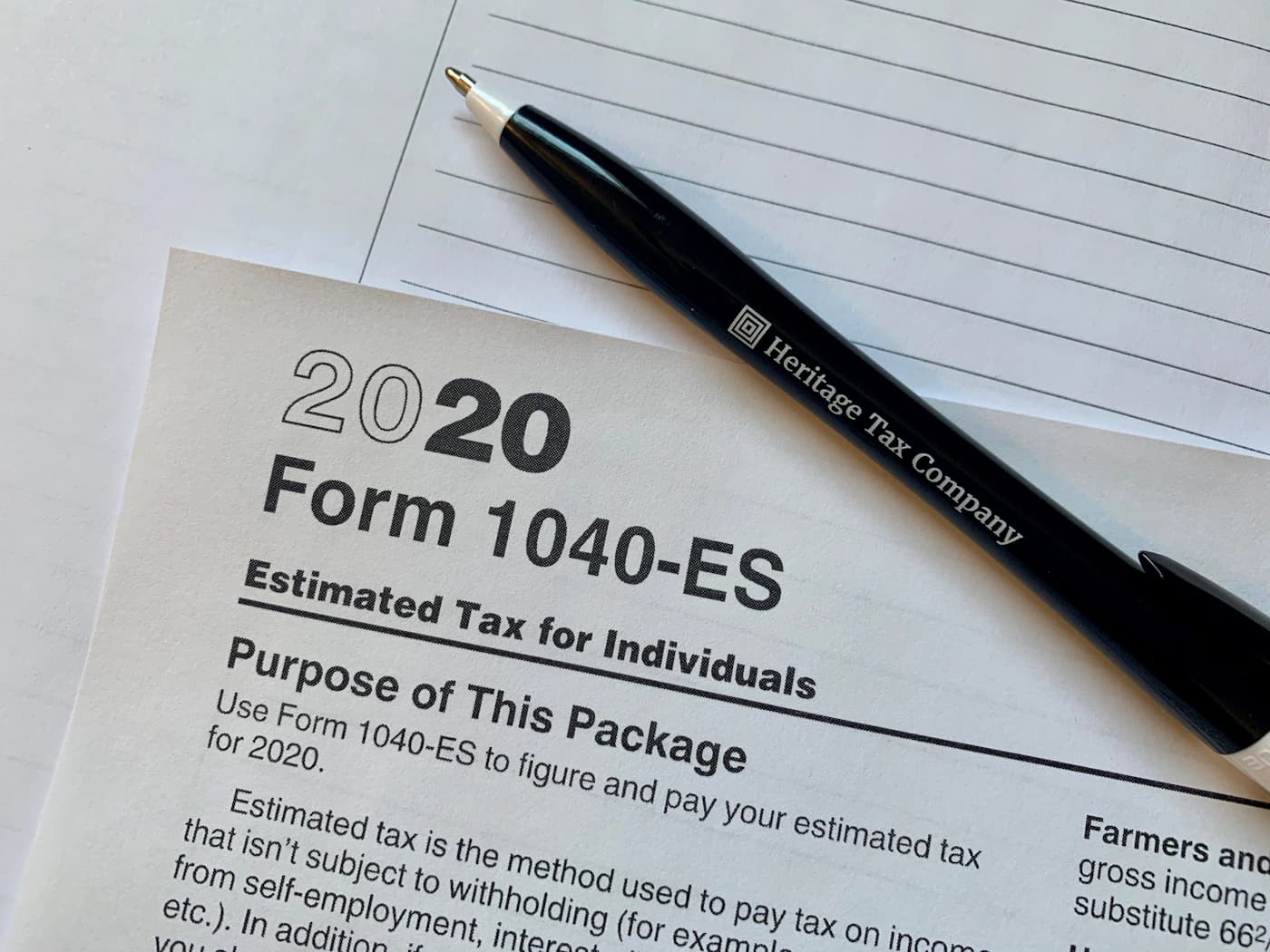
3. What are the penalties for FBAR non-compliance?

Failing to comply with FBAR rules can trigger substantial penalties. The consequences depend on whether the violation is considered non-willful or willful. Knowing the difference and the potential financial impact helps you prioritize corrective steps when needed.
What are the differences between non-willful and willful FBAR penalties?
Non-willful violations, errors or omissions without intentional wrongdoing, can carry penalties up to $10,000 per violation. Willful violations carry much stiffer penalties: the greater of $100,000 or 50% of the account balance at the time of the violation. Recent enforcement trends make it especially important to understand your filing obligations and document your compliance efforts.
What are the criminal consequences of FBAR violations?
Willful FBAR violations can lead to criminal charges in addition to civil penalties. Criminal penalties may include fines and imprisonment for those found guilty. Because the stakes are high, take FBAR requirements seriously and seek professional advice if there’s any doubt about past or current reporting.
To use the automatic extension, submit your FBAR electronically by the original April 15 deadline.
4. How does FBAR compare to FATCA reporting requirements?
FBAR and FATCA (Foreign Account Tax Compliance Act) both target foreign financial reporting but serve different purposes. Understanding their differences will help you meet both sets of obligations without duplication or missed disclosures.
What are the key differences between FBAR and FATCA?
FBAR focuses on foreign financial accounts and uses a $10,000 aggregate threshold. FATCA requires reporting specified foreign financial assets on IRS Form 8938 and applies different thresholds based on filing status. FBAR is filed with FinCEN, while FATCA disclosures are submitted to the IRS, so you may need to meet both requirements depending on your situation.
How do FinCEN Form 114 and IRS Form 8938 differ?
FinCEN Form 114 (FBAR) reports foreign financial accounts, while IRS Form 8938 (FATCA) covers specified foreign financial assets and has distinct filing rules and thresholds. Penalties and filing procedures differ between the two, so review both requirements carefully or consult a specialist to ensure full compliance.
5. What common FBAR mistakes should international entrepreneurs avoid?

International entrepreneurs often face common FBAR pitfalls. Spotting these early can prevent penalties and simplify future filings.
Which errors are frequent in FBAR reporting for foreign-owned entities?
Frequent mistakes include misidentifying who is a U.S. person, failing to report accounts where you have signature authority, and miscalculating aggregate balances. These errors can trigger penalties or audits, so verify ownership, authority, and balances carefully before filing.
How can Prodezk assist in preventing FBAR filing mistakes?
Prodezk helps international entrepreneurs navigate FBAR compliance with tailored accounting and compliance services. With over 24 years in the market and more than 15,000 companies created, we focus on practical, bilingual solutions for clients from Spanish-speaking countries, helping you avoid mistakes and reduce compliance risk.
The table above highlights how penalties vary depending on intent and severity. Understanding these categories makes it easier to assess risk and take corrective action if needed.
FBAR compliance is a key responsibility for U.S. persons with foreign accounts. By knowing the filing rules, deadlines, and penalties, and avoiding common errors, international entrepreneurs can protect their businesses and focus on growth. Prodezk’s experience in cross-border accounting and compliance helps clients stay on the right side of the rules while they build their ventures.
Frequently Asked Questions
What should I do if I missed the FBAR filing deadline?
If you missed the deadline, file your FBAR as soon as possible and document your efforts to comply. Late filing can lead to penalties, but showing a prompt, good-faith response and seeking professional advice can help you evaluate options, including potential relief programs.
Can I file my FBAR using a paper form?
No. FBARs must be filed electronically through FinCEN’s BSA E-Filing System; paper submissions are not accepted. If you’re unfamiliar with the system, a tax or compliance professional can file on your behalf or walk you through the process.
Are there any exceptions to FBAR filing requirements?
Some exceptions apply. For example, certain jointly held accounts may be reported by one spouse, and certain government or retirement accounts can be exempt. Eligibility for exceptions can be complex, so review the rules carefully or consult an advisor to confirm whether an exception applies to your situation.
How can I correct an FBAR that I filed incorrectly?
If your FBAR contains errors, file an amended FBAR through the FinCEN BSA E-Filing System and indicate it’s an amendment. Correct mistakes promptly, document why the change was necessary, and consider consulting a specialist to reduce the risk of penalties.
What resources are available for FBAR compliance assistance?
Key resources include the FinCEN and IRS websites, which publish official guidance. For personalized help, seek tax professionals or firms specializing in international compliance, like Prodezk, especially if you’re part of a Spanish-speaking community. Online forums and expat groups can also offer practical tips, but always verify guidance against official sources.
What should I do if I receive a notice from the IRS regarding my FBAR?
If you receive an IRS notice about your FBAR, read it carefully and respond promptly. The notice may request documentation or clarification. Ignoring it can escalate penalties, so contact a tax professional experienced in FBAR matters to review the notice and plan a response.

Conclusion
FBAR rules are a critical part of cross-border financial compliance. Understanding who must file, when to file, and the consequences of non-compliance helps international entrepreneurs protect their businesses. If you need support, Prodezk offers bilingual, experienced guidance to simplify FBAR filing and reduce risk, so you can focus on growing your company with confidence.

A firm or advisor? Refer clients and build alongside Prodezk.
Further reading

Compliance3 min read
When to Renew Your LLC in the United States
Renewing an LLC in the United States involves submitting the Annual Report, a crucial requirement for keeping your business active and compliant with state laws. This article explains state deadlines, the benefits of timely submission, and how we can assist you with the process.

Compliance11 min read
Cost to Dissolve LLC: What You Need to Know
Navigating the costs of dissolving an LLC can be complex. This guide outlines essential expenses and steps involved to ensure a smooth and effective process.

Compliance5 min read
How to Change Your Company’s Registered Agent: Complete Guide
Find out how to change your company’s registered agent in the U.S. and ensure compliance with state regulations. Learn the key steps, requirements, and fees across different states.