


The JournalTaxes
Are Income Tax Records Public? Essential Insights to Know
By Andres Platts · March 15, 2026 · 6 min read
Quick answer
Uncover essential insights on whether income tax records are public. Learn who can access them and what it means for your privacy. Stay informed today!


Are Income Tax Records Public: Understanding US Tax Record Privacy and Access Rights

Income tax records are a critical aspect of financial privacy, yet many individuals are unaware of the extent to which these records are protected under US law. This article delves into the complexities of income tax record confidentiality, exploring the legal frameworks that govern access to these records and the implications for various stakeholders. Readers will learn about the protections afforded by US tax privacy laws, who can access these records, and how these regulations specifically impact foreign entrepreneurs and investors. Understanding these nuances is essential for anyone navigating the US tax landscape, especially those involved in business formation and compliance. This article will cover the US income tax privacy laws, authorized access to tax records, implications for foreign investors, compliance requirements, and common questions regarding public access to income tax records.
What Are the US Income Tax Privacy Laws Governing Record Confidentiality?

US income tax privacy laws are designed to protect the confidentiality of taxpayer information, ensuring that sensitive financial data is not disclosed without proper authorization. These laws establish a framework that governs how income tax records are handled, stored, and accessed. The primary benefit of these laws is the protection they offer to taxpayers, safeguarding their financial information from unauthorized access and potential misuse.
How Do US Tax Privacy Laws Protect Income Tax Records?
US tax privacy laws, such as the Internal Revenue Code (IRC) Section 6103, provide robust protections for income tax records. This section prohibits the disclosure of tax return information without the taxpayer's consent, ensuring that sensitive data remains confidential. Violations of these laws can result in severe penalties for individuals or entities that improperly disclose tax information, reinforcing the importance of compliance. Taxpayers have the right to know how their information is used and can seek legal recourse if their privacy is compromised.
What Legal Frameworks Restrict Public Access to Tax Records?
Several legal frameworks restrict public access to tax records, primarily focusing on protecting taxpayer privacy. The Freedom of Information Act (FOIA) allows for some public access to government records, but it explicitly exempts tax return information from disclosure. Additionally, state laws may impose further restrictions on the accessibility of tax records, ensuring that personal financial information remains confidential. These legal protections are crucial for maintaining taxpayer trust in the system and preventing potential abuses of sensitive information.
Who Can Access Income Tax Records in the United States?
Access to income tax records in the United States is highly regulated, with specific individuals and organizations granted authorized access under certain conditions. Understanding who can legally view these records is essential for both taxpayers and professionals in the financial sector.
Which Individuals and Organizations Have Authorized Access?
Authorized access to income tax records is typically limited to specific entities, including the IRS, state tax agencies, and certain financial institutions under strict regulations. Tax professionals, such as accountants and attorneys, may also access these records with the taxpayer's consent. This limited access is designed to protect taxpayer privacy while allowing necessary oversight and compliance checks.
Are Employers or the General Public Allowed to View Tax Returns?
Employers and the general public are generally not permitted to view an individual's tax returns without explicit consent. Employers may request tax information for specific purposes, such as verifying income for loan applications, but they must obtain the employee's permission first. The general public has no legal right to access another person's tax records, reinforcing the confidentiality that taxpayers are entitled to under US law.
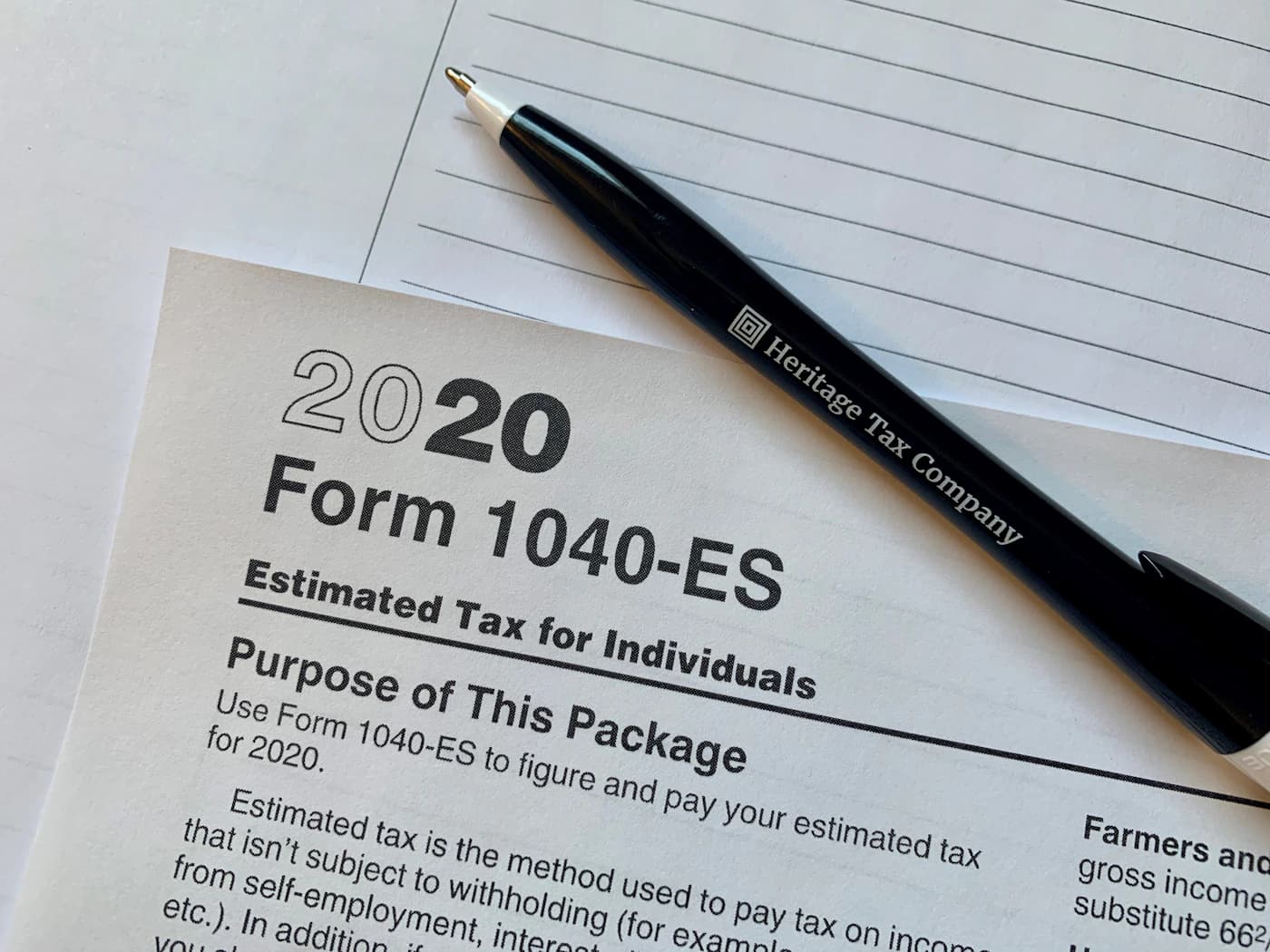
Access to income tax records in the United States is highly regulated, with specific individuals and organizations granted authorized access under certain conditions.
How Does Tax Record Confidentiality Apply to Foreign Entrepreneurs and Investors?

Tax record confidentiality is particularly significant for foreign entrepreneurs and investors operating in the United States. Understanding the implications of US tax laws is essential for these individuals to ensure compliance and protect their sensitive information.
What Special Considerations Exist for Foreign-Owned US Companies?
Foreign-owned US companies face unique challenges regarding tax record confidentiality. These businesses must navigate both US tax laws and the regulations of their home countries, which may have different privacy standards. Compliance with US tax laws is crucial, as failure to adhere to these regulations can result in severe penalties, including fines and other legal consequences. Additionally, foreign investors must be aware of their rights regarding the confidentiality of their tax records to protect their interests.
How Does Prodezk INC Support Foreign Investors in Tax Privacy Compliance?
Prodezk INC. is a specialized service provider focused on assisting foreign entrepreneurs and investors, particularly from Latin America, with US company formation, compliance, and growth. The company offers tailored services to help foreign investors navigate the complexities of US tax laws, ensuring that they maintain compliance while protecting their tax record privacy. By providing expert guidance and support, Prodezk INC. helps clients understand their rights and obligations, facilitating a smoother transition into the US market.
What Are the Compliance Requirements and Best Practices for Protecting Tax Record Privacy?
Maintaining tax record privacy requires adherence to specific compliance requirements and best practices. Businesses must implement robust measures to protect sensitive information from unauthorized access and potential breaches.
How to Ensure Tax Record Security Under Current IRS Regulations?
To ensure tax record security, businesses must comply with IRS regulations that mandate the safeguarding of taxpayer information. This includes implementing secure data storage solutions, conducting regular audits, and training employees on data privacy practices. By adhering to these regulations, businesses can minimize the risk of data breaches and protect their clients' sensitive information.
Get a free consultation
What Steps Should Businesses Take to Maintain Confidentiality?
Businesses should adopt a comprehensive approach to maintaining confidentiality, which includes:
- 01Data Encryption : Encrypt sensitive tax records to protect them from unauthorized access.
- 02Access Controls : Implement strict access controls to limit who can view tax records within the organization.
- 03Regular Training : Provide ongoing training for employees on data privacy and security best practices.
By following these steps, businesses can enhance their tax record privacy and ensure compliance with applicable laws.

What Are the Common Questions About Income Tax Record Public Access?
Many individuals have questions regarding the public accessibility of income tax records, often stemming from misconceptions about privacy laws.
Are Income Tax Records Public Information?
Income tax records are not considered public information under US law. The confidentiality protections established by the IRS and other regulatory bodies ensure that tax records remain private unless the taxpayer provides explicit consent for disclosure. This legal framework is crucial for maintaining taxpayer trust and protecting sensitive financial information.
How Does the IRS Enforce Tax Record Privacy?
The IRS enforces tax record privacy through a combination of legal penalties and compliance monitoring. Violations of tax privacy laws can result in significant fines and legal repercussions for individuals or organizations that improperly disclose tax information. The IRS also conducts audits and investigations to ensure compliance with privacy regulations, reinforcing the importance of safeguarding taxpayer data.

A firm or advisor? Refer clients and build alongside Prodezk.
Further reading

Taxes8 min read
What Is a Tax Identification Number (TIN)?, TIN vs SSN Explained
Understand the differences between a Tax Identification Number (TIN) and SSN. Which one do you need for your business in the U.S.? Discover real examples and common mistakes.

Taxes3 min read
2025 Tax Season: Key Changes and How to Prepare
As tax season in the U.S. approaches, we offer a complete guide on changes to the tax brackets for 2025. Discover updated rates, deductions, benefits, and strategies to make the most of the fiscal adjustments, ensuring an optimized tax return for the upcoming year.

Taxes17 min read
Why Doesn’t the United States Have a VAT? Key Differences Between VAT and US Sales Tax
Explore VAT in the United States: Why there's no federal system, how sales tax works across states, and implications for international businesses in 2026. Learn compliance tips, refunds, and cost-saving strategies from experts. Get started with Prodezk today!