


The JournalCompliance
How to Notify Creditors When Dissolving Your LLC
By Andres Platts · April 3, 2026 · 10 min read
Quick answer
When dissolving an LLC, notifying creditors effectively is crucial. This guide offers essential steps to ensure a smooth process, protecting personal assets.


How to Notify Creditors When Dissolving Your LLC: Complete Legal Requirements and Timeline Guidance
Dissolving an LLC requires careful legal steps, especially notifying creditors. Proper notice ensures debts are handled and helps prevent future liability. This guide covers the steps to notify creditors, the legal rules to follow, state differences, and practical communication tips. You’ll get timelines, what to include in notices, and how to manage creditor responses.
Key Takeaways
- Notifying creditors is crucial for a smooth LLC dissolution and avoiding future liabilities.
- Each state has specific laws governing the creditor notification process during LLC dissolution.
- Failure to notify creditors can result in personal liability for LLC owners.
- Start notifying creditors immediately after deciding to dissolve the LLC.
- Use certified mail to ensure proof of delivery for creditor notifications.
- Keep records of creditor notifications for at least three years for legal compliance.
- Customize notifications to address the specific needs of different creditor types.
- Sample notification letters can simplify the process of informing creditors.
What Are the Legal Requirements for Notifying Creditors During LLC Dissolution?

You must notify creditors when dissolving an LLC so debts can be settled before closing. This step protects owners from future claims. State rules vary widely, so follow local laws to avoid penalties. Failure to notify can expose members to legal claims and personal liability.
This table shows how state rules differ and why you must check local requirements before notifying creditors.

Which State Laws Govern LLC Creditor Notification?
State statutes set the rules for how and when creditors must be notified. Owners should review their state law and consult state websites or legal counsel for specifics. Knowing the local rules reduces the risk of non-compliance.
- 01California : Requires notification to all known creditors within 30 days of dissolution.
- 02New York : Mandates publication of a notice in a local newspaper within 120 days of dissolution.
- 03Texas : Requires written notice to all creditors within 60 days of dissolution.
Knowing these state-specific rules helps ensure your dissolution moves forward legally and without avoidable issues.
What Are the Consequences of Failing to Notify Creditors?

Failing to notify creditors can trigger serious consequences. Owners may face lawsuits for unpaid debts and personal exposure to liabilities. Creditors can pursue claims even after dissolution, which can lead to financial loss and legal disputes.
- 01Legal Penalties : Owners may face lawsuits for unpaid debts.
- 02Financial Liabilities : Creditors can claim against personal assets if debts are not settled.
- 03Impact on Personal Assets : Owners may lose personal property if creditors pursue claims.
These risks make strict adherence to creditor-notification rules essential during dissolution.
How to Inform Creditors About Your LLC Closure: Step-by-Step Process
Notifying creditors requires a clear, organised process. Follow the steps below to meet legal requirements and document the work.
- 01Identify All Creditors : Compile a comprehensive list of all creditors, including suppliers, lenders, and service providers.
- 02Draft Notification Letters : Create formal letters informing creditors of the LLC's dissolution, including relevant details such as the dissolution date and instructions for settling any outstanding debts.
- 03Send Notifications : Distribute the letters via certified mail to ensure delivery confirmation.
- 04Keep Records : Maintain copies of all correspondence and delivery confirmations for your records.
Following these steps helps ensure creditors are informed and that you have documentation to show compliance.
What Information Must Be Included in a Creditor Notification Letter?
Your notification should list key facts so creditors know how to proceed. Include the LLC name, the dissolution date, details on outstanding debts, and a contact for questions.
- LLC Name and Address : Clearly state the name and address of the LLC.
- Dissolution Date : Indicate the official date of dissolution.
- Outstanding Debts : Provide details of any outstanding debts and instructions for payment.
- Contact Information : Include a contact person for any questions or clarifications.
Clear, complete letters make it easier for creditors to resolve balances and reduce disputes.
How to Use Certified Mail and Other Notification Methods Effectively?
Certified mail gives you proof of delivery and is widely accepted for legal purposes. Use email or personal delivery for quick contact, but follow up with certified mail for formal notice.
- 01Certified Mail : Provides proof of delivery and is legally recognized.
- 02Email : Can be used for quick communication but should be followed by formal letters.
- 03Personal Delivery : Effective for local creditors, ensuring immediate receipt.
Combining methods improves reach while keeping formal proof you can rely on later.

What Is the LLC Creditor Notification Timeline and Deadlines?
Timing matters. Start notifications as soon as you decide to dissolve and meet any state deadlines to avoid penalties. Each state sets its own timeline, so confirm the rules that apply to you.
- 01Immediate Notification : Begin notifying creditors as soon as the decision to dissolve is made.
- 02State-Specific Deadlines : Adhere to state laws regarding notification timelines.
- 03Final Deadline : Ensure all notifications are sent before the official dissolution date.
Follow the timeline closely to protect owners and keep the process compliant.
When Should You Start Notifying Creditors After Deciding to Dissolve?
Start notifying creditors right after the dissolution decision. Acting early helps settle debts and lowers the chance of personal liability. Delays can create legal and financial complications.
- 01Immediate Action : Notify creditors as soon as the dissolution decision is made.
- 02Avoid Delays : Prompt notifications help prevent future liabilities.
- 03Legal Compliance : Adhering to state laws regarding notification timelines is crucial.
Beginning early makes the entire dissolution smoother and safer for owners.
Certified mail gives you proof of delivery and is widely accepted for legal purposes.
How Long Must You Keep Records of Creditor Notifications?
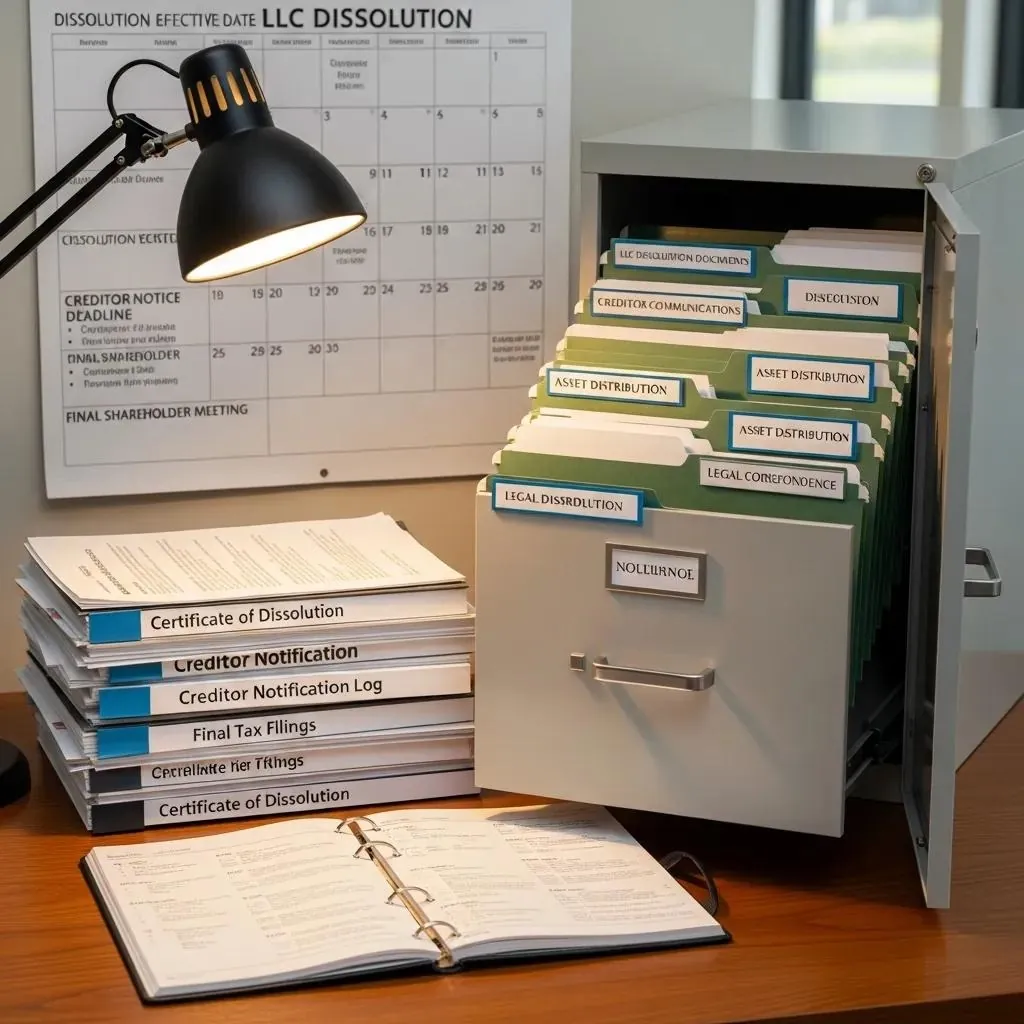
Keep records of creditor notifications as proof of compliance and to defend against future claims. Retain documents for at least three years, often up to seven, depending on state rules and the debt type.
- 01Minimum Retention Period : Keep records for at least three years.
- 02State-Specific Requirements : Check local laws for specific retention periods.
- 03Documentation Importance : Proper records can protect against future claims.
Thorough record keeping protects owners and provides crucial evidence if disputes arise later.

A firm or advisor? Refer clients and build alongside Prodezk.
How to Handle Creditor Claims After LLC Dissolution?
If a creditor files a claim after dissolution, review it carefully to confirm the debt and the relevant dates. Negotiate a settlement if appropriate and get legal advice for disputed claims.
- 01Review Claims : Assess the validity of any claims received post-dissolution.
- 02Negotiate Settlements : Consider negotiating with creditors to settle outstanding debts.
- 03Seek Legal Advice : Consult with a legal professional if disputes arise.
Careful handling of post-dissolution claims reduces owner exposure and helps close issues efficiently.
What Steps Should You Take When a Creditor Responds?
When a creditor replies, acknowledge their message quickly. Provide requested documents and be ready to negotiate or consult counsel if disputes arise.
- 01Acknowledge Responses : Respond promptly to any communication from creditors.
- 02Provide Documentation : Supply any requested information to facilitate resolution.
- 03Negotiate if Necessary : Be open to discussions to resolve any disputes.
Prompt, professional responses keep relations constructive and speed resolution of outstanding debts.
How to Resolve Disputes and Avoid Future Liabilities?
Address disputes through clear communication and negotiation. If talks stall, bring in a mediator or lawyer to reach a fair outcome and reduce future risk.
- 01Open Communication : Maintain clear and open lines of communication with creditors.
- 02Negotiate Fairly : Be willing to negotiate terms to resolve disputes amicably.
- 03Involve Professionals : Seek legal advice or mediation if disputes escalate.
Proactive dispute management lowers the chance of lingering liabilities for owners.
What Are the Best Practices and Tips for Notifying Creditors During LLC Dissolution?
Follow a few best practices to keep the process efficient and compliant: act quickly, write clearly, and document everything.
- 01Be Proactive : Start the notification process as soon as the decision to dissolve is made.
- 02Use Clear Language : Ensure that notification letters are clear and concise.
- 03Document Everything : Keep thorough records of all communications and notifications.
These steps make the dissolution process smoother and reduce legal risk.
How to Customize Notifications for Different Creditor Types?
Different creditors need different details. Suppliers may need order information. Lenders will want payment specifics. Tailor each notice to the recipient’s needs.
- 01Identify Creditor Types : Understand the different types of creditors you are dealing with.
- 02Tailor Notifications : Customize messages to address the specific needs of each creditor type.
- 03Provide Relevant Information : Include details that are pertinent to each creditor's situation.
Targeted notices improve response rates and speed up resolutions.
What Sample Notification Letters and Templates Can You Use?
Templates speed up drafting and ensure you include essential details. Make sure each template has a formal greeting, a clear subject, dissolution facts, and payment instructions.
- 01Formal Greeting : Address the creditor by name.
- 02Clear Subject Line : Indicate the purpose of the letter.
- 03Dissolution Details : Provide information about the LLC's dissolution and any outstanding debts.
You can find templates online or via legal resources. Customize each one to match the creditor and your situation.
How Can Dissolve My LLC Help With Creditor Notification and LLC Dissolution Services?
Dissolve My LLC assists LLC owners with dissolution tasks, including creditor notifications. The service handles filings and notifications so you can focus on other priorities while staying compliant with state rules.
- 01Expert Guidance : Our team provides expert advice on the dissolution process.
- 02Comprehensive Services : We manage all necessary filings and notifications.
- 03Peace of Mind : Rely on our expertise to ensure a smooth and compliant dissolution.
Using professional help can reduce stress and ensure legal steps are completed correctly.
What Services Are Included in the LLC Dissolution Package?
The dissolution package covers the main tasks owners need to close an LLC. Services include preparing filings, managing creditor notifications, and keeping records of all actions taken.
- 01Filing Preparation : We prepare and file all necessary dissolution documents with the state.
- 02Creditor Notifications : Our team manages the notification process for all creditors.
- 03Record Keeping : We maintain records of all communications and filings for your protection.
This approach helps ensure every required step is handled efficiently and documented.
How to Get Started With Professional Creditor Notification Assistance?
Getting started is straightforward: contact the team, choose a package, and provide details about your LLC and creditors.
- 01Contact Us : Reach out to our team to discuss your specific needs.
- 02Choose a Package : Select the LLC dissolution package that best fits your requirements.
- 03Provide Information : Supply the necessary details about your LLC and creditors.
Following these steps connects you with expert help and keeps your dissolution on track.
Frequently Asked Questions
What should I do if a creditor claims a debt after my LLC has been dissolved?
If a creditor files a claim after dissolution, review it to confirm the debt and dates. Check whether the debt arose before dissolution, then negotiate or seek legal advice as needed. Keep detailed records of all steps and communications.
Can I notify creditors via email instead of certified mail?
Email can be useful for quick contact but usually won't meet legal notice requirements. Certified mail provides proof of delivery and is the safer option. If you email, follow up with certified mail to document the notice.
How can I ensure that all creditors are notified during the dissolution process?
Start with a complete list of known creditors, draft clear notification letters, send them by certified mail, and keep records. Follow up with any creditors who don't respond to avoid oversights.
What if I cannot locate a creditor to notify them of the LLC dissolution?
If you can't find a creditor, document your search efforts, online searches, public records, and other steps. Depending on state rules, you may need to publish a notice. Consult legal counsel to confirm you’ve met the required steps.
Are there any specific templates I can use for creditor notification letters?
Yes. Many templates exist that include the LLC name, dissolution date, outstanding debts, and contact details. Customize templates for each creditor and keep the tone clear and professional to aid resolution.
What are the best practices for maintaining records of creditor notifications?
Keep copies of all letters, delivery confirmations, and responses. Organize these documents securely and retain them for three to seven years, per state requirements. Proper records are vital if disputes arise later.
A firm or advisor? Refer clients and build alongside Prodezk.
Conclusion
Notifying creditors is a critical step in dissolving your LLC. Follow state rules, use clear notices, and keep solid records to protect yourself from future claims. If you prefer expert help, consider professional services to manage filings and notifications and reduce your workload.
A firm or advisor? Refer clients and build alongside Prodezk.
Further reading

Compliance3 min read
When to Renew Your LLC in the United States
Renewing an LLC in the United States involves submitting the Annual Report, a crucial requirement for keeping your business active and compliant with state laws. This article explains state deadlines, the benefits of timely submission, and how we can assist you with the process.

Compliance11 min read
Cost to Dissolve LLC: What You Need to Know
Navigating the costs of dissolving an LLC can be complex. This guide outlines essential expenses and steps involved to ensure a smooth and effective process.

Compliance5 min read
How to Change Your Company’s Registered Agent: Complete Guide
Find out how to change your company’s registered agent in the U.S. and ensure compliance with state regulations. Learn the key steps, requirements, and fees across different states.