


The JournalBanking
Pay Your Income Tax in Installments: Find Out How
By Andres Platts · March 13, 2026 · 10 min read
Quick answer
Struggling with income tax payments? Learn how you can easily pay your income tax in installments to manage your finances better and reduce stress.


Can Income Tax Be Paid in Installments: Comprehensive Guide to IRS Payment Plans and Business Compliance

Paying income tax can be challenging for individuals and businesses with substantial liabilities. The IRS permits installment agreements that allow taxpayers to spread payments over time to reduce immediate financial strain. This guide explains how IRS installment agreements work, the eligibility requirements, and the application process, providing practical guidance for those considering this option. Effective management of tax obligations supports compliance with federal rules and reduces financial pressure. We also address business-specific considerations and how Prodezk can assist in navigating these matters.
Key Takeaways
- IRS installment agreements allow taxpayers to pay tax liabilities over time, easing financial strain.
- Eligibility for IRS payment plans depends on financial circumstances and tax filing status.
- Installment agreements offer payment flexibility and generally lower interest rates than other debts.
- Businesses face unique tax challenges; Prodezk offers tailored advice for compliance and strategy.
- Applying for an IRS installment agreement involves eligibility assessment and completing Form 9465.
- Accepted payment methods include direct debit, online payments, and mail-in checks or money orders.
- Missing payments can result in late fees, increased interest, and potential legal consequences.
- Prodezk supports businesses with tax compliance, offering multilingual support and ongoing services.
What Are IRS Installment Agreements and How Do They Work?
IRS installment agreements permit taxpayers to satisfy tax liabilities over time rather than in a single payment. They divide the total amount owed into scheduled installments, enabling individuals and businesses to manage cash flow while maintaining compliance.
The process begins with an application that the IRS reviews based on the taxpayer's financial information. Upon approval, the taxpayer makes regular payments until the balance is paid in full within the agreed timeframe.
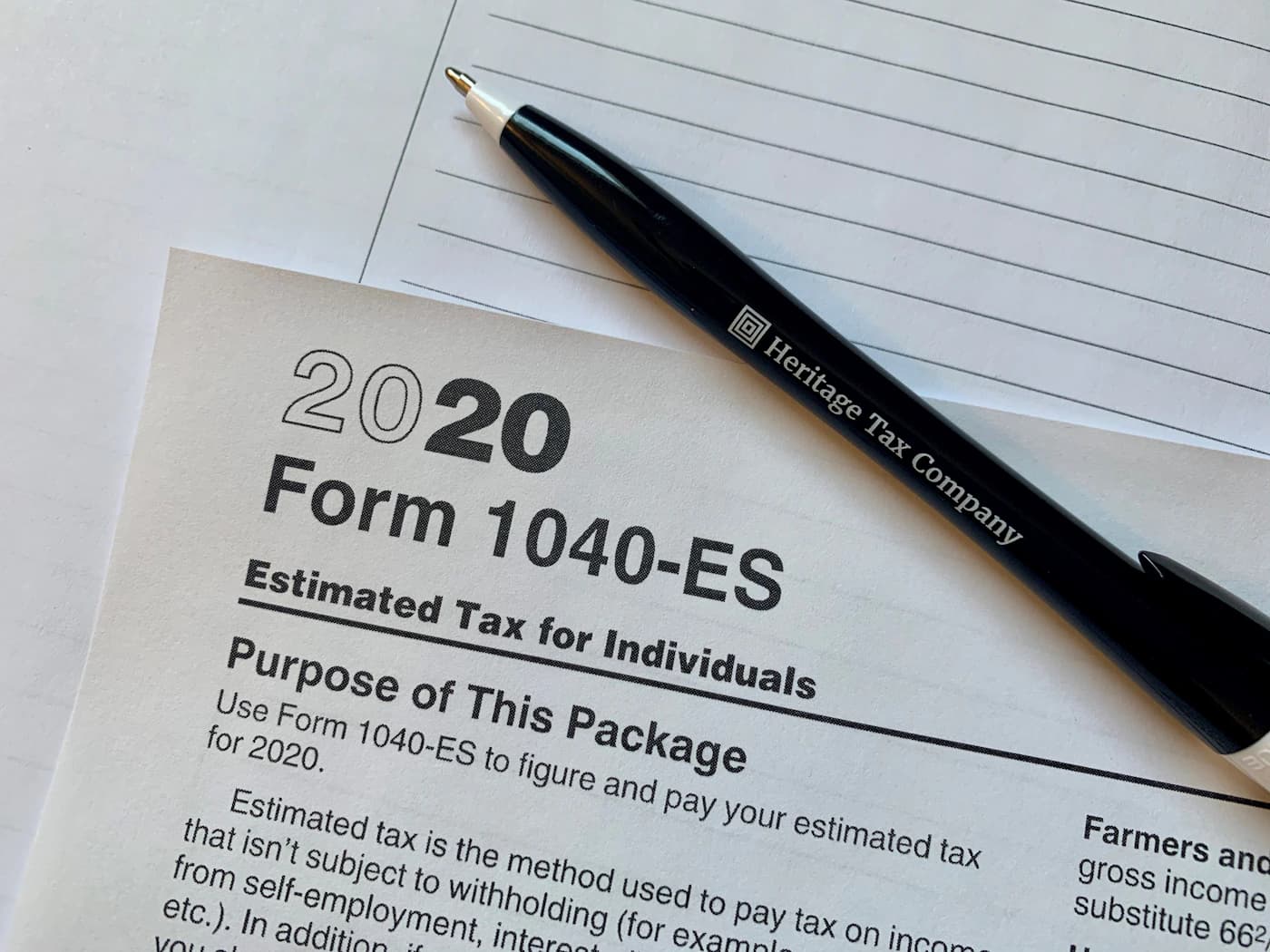
Understanding IRS Payment Plans for Income Tax

The IRS provides short-term plans (payment within 120 days) and long-term installment agreements (payment periods extending beyond 120 days) to accommodate different financial circumstances.
Eligibility for these plans depends on factors such as the amount owed and the taxpayer's financial position. Understanding available plan types helps taxpayers select the most suitable option.
Key Features of IRS Installment Agreements
IRS installment agreements offer several features that benefit taxpayers:
- 01Payment Flexibility : Taxpayers can choose a payment amount that fits their budget, allowing for greater financial control.
- 02Interest Rates : While interest and penalties may accrue on the unpaid balance, the rates are generally lower than those associated with other forms of debt.
- 03Duration of Agreements : Installment agreements can last for several months or even years, depending on the total amount owed and the taxpayer's ability to pay.
These features make installment agreements a practical choice for taxpayers who need to manage liabilities while limiting immediate financial impact.
Who Is Eligible for IRS Payment Plans to Pay Taxes in Installments?
Eligibility for IRS payment plans varies by agreement type; both individuals and businesses may apply but must meet specific requirements.
Taxpayers must have filed required tax returns and generally should not have unresolved prior-year liabilities. The total amount owed must also fall within IRS thresholds. Understanding these conditions is essential before applying.

Eligibility Criteria for IRS Installment Agreements
To qualify, taxpayers generally must meet these requirements:
- 01Income Thresholds : Taxpayers must demonstrate that their income is sufficient to cover the proposed payment plan.
- 02Tax Filing Status : Individuals must have filed their tax returns for the previous years to be eligible.
- 03Outstanding Tax Liabilities : Taxpayers cannot have any unpaid tax liabilities from prior years.
Satisfying these requirements is necessary to obtain an installment agreement.
Special Considerations for Businesses and Entrepreneurs

Businesses and entrepreneurs encounter distinct tax challenges. Prodezk’s personalized services help navigate compliance obligations while optimizing tax strategies.
Business structure affects tax obligations; corporations and sole proprietorships are subject to different rules. Prodezk provides tailored advice to help businesses manage payments, remain compliant, and minimize their tax burden.
How to Apply for an IRS Installment Agreement: Step-by-Step Process
Applying for an IRS installment agreement involves these steps:
- 01Determine Eligibility : Assess whether you meet the eligibility criteria for an installment agreement.
- 02Complete the Application : Fill out the necessary forms, such as Form 9465, to request an installment agreement.
- 03Submit the Application : Send the completed application to the IRS, either electronically or by mail.
- 04Await Approval : The IRS will review your application and notify you of its decision.
Following these steps helps streamline the application process and improves the likelihood of approval.
Filing an Application for IRS Payment Plans
When filing, provide accurate information and complete all required forms. Common errors to avoid include:
- Failing to include all necessary documentation
- Providing incorrect financial information
- Not signing the application
Accurate and complete submissions increase the likelihood of a successful application.
Required Documentation and Compliance Checks
Applicants must supply documentation such as:
Prodezk’s personalized services help navigate compliance obligations while optimizing tax strategies.
- Recent tax returns
- Proof of income
- Financial statements
The IRS conducts compliance checks to verify eligibility. Maintain accurate records to support a smooth application process.

A firm or advisor? Refer clients and build alongside Prodezk.
What Payment Methods and Deadlines Are Available for Tax Installments?
Accepted payment methods under installment agreements include:
- Direct Debit : Automatic withdrawals from a bank account.
- Online Payments : Payments made through the IRS website.
- Mail-in Payments : Checks or money orders sent to the IRS.
Payment deadlines vary by agreement; most require monthly payments by a specified date.
Accepted Payment Options for IRS Installment Agreements
Taxpayers may select from several payment options, including:
- 01Direct Debit : This method allows for automatic deductions from a bank account, ensuring timely payments.
- 02Credit or Debit Card : Payments can be made using a credit or debit card through approved payment processors.
- 03Check or Money Order : Taxpayers can mail checks or money orders to the IRS as part of their payment plan.
These options provide flexibility in managing payments.
Managing Payment Schedules and Deadlines
To manage schedules and deadlines effectively, consider these strategies:
- Set Reminders : Use calendar alerts to remind you of upcoming payment due dates.
- Track Payments : Keep a record of all payments made to ensure compliance with the agreement.
- Adjust Payment Plans : If financial circumstances change, contact the IRS to discuss potential adjustments to the payment plan.
Implementing these practices helps taxpayers remain current with their installment agreements.
What Are the Penalties and Compliance Risks of Missing Installment Payments?
Missing payments carries penalties and compliance risks. Possible consequences include:
- 01Late Fees : The IRS may impose additional fees for missed payments.
- 02Increased Interest Rates : Interest on the unpaid balance may increase, leading to a higher overall tax liability.
- 03Legal Consequences : Continued non-compliance can result in legal action by the IRS.
Awareness of these risks is essential to maintain compliance and limit further financial impact.
Consequences of Late or Missed Tax Payments
Late or missed tax payments can have significant consequences, including:
- Accrued Interest : Interest on unpaid taxes continues to accumulate, increasing the total amount owed.
- Increased Risk of Audits : Taxpayers who miss payments may attract scrutiny from the IRS, leading to potential audits.
- Impact on Credit Score : Unpaid tax liabilities can negatively affect a taxpayer's credit rating.
Awareness of these outcomes encourages adherence to payment schedules.
Maintaining Compliance to Avoid Penalties
To avoid penalties, taxpayers should:
- File Required Reports: Ensure all necessary tax returns and forms are filed on time.
- Consult Tax Advisors: Seek professional advice to navigate complex tax situations.
- Use a Registered Agent: Consider hiring a registered agent to manage compliance and communication with the IRS.
Applying these measures supports compliance and reduces the risk of penalties.
How Does Prodezk Support Businesses in Managing Tax Installment Payments?
Prodezk supports entrepreneurs, investors, and business owners, particularly from Latin America, in establishing and growing companies in the United States. Services include tax preparation and compliance support to help businesses meet their tax obligations.
Prodezk provides proactive compliance reminders and tailored advice to manage tax installment payments efficiently. Our regulatory expertise delivers actionable insights that help businesses minimize liabilities while maintaining compliance.
Prodezk’s Tax Compliance and Payment Plan Services
Prodezk provides services to assist businesses with compliance and payment plans, such as:
- 01Income Tax Preparation and Consulting : Expert guidance on tax obligations and strategies for minimizing liabilities.
- 02Multilingual Support : Assistance in multiple languages to cater to diverse business owners.
- 03Ongoing Compliance Services : Regular check-ins and updates to ensure businesses remain compliant with tax regulations.
These services are intended to give businesses the support needed to manage tax obligations effectively.
Integrating Company Formation with Tax Payment Solutions
Integrating company formation with tax payment solutions is important for new businesses. Prodezk offers services to streamline this process, including:
- Nexus Assessment for Tax Registration : Evaluating the tax implications of business operations in different states.
- Streamlined Company Formation Process : Assisting with the legal requirements for establishing a business in the U.S.
- Single Point of Contact for Compliance : Providing a dedicated representative to manage all compliance-related inquiries.
This integrated approach allows businesses to prioritise growth while maintaining compliance with tax obligations.
Get a free consultation
Frequently Asked Questions
1. What happens if I miss a payment on my IRS installment agreement?
Missing a payment may result in late fees, increased interest, and potential enforcement actions such as wage garnishment or liens. Contact the IRS promptly to discuss available options if you anticipate missing a payment.
2. Can I change my payment amount after my installment agreement is approved?
You may request a modification to your payment amount if your financial situation changes. Contact the IRS and provide supporting documentation to facilitate the review.
3. Are there any fees associated with setting up an IRS installment agreement?
Setup fees apply and vary by plan and application method. Direct debit agreements typically incur lower fees than standard agreements, and online versus paper applications may carry different charges. Verify current fees on the IRS website before applying.
4. How long does it take for the IRS to approve my installment agreement application?
Approval times vary with case complexity and IRS workload. Expect a response within approximately 30 days in many cases; requests for additional information can extend the timeline. Ensure your application is complete to avoid delays.
5. Can I apply for an IRS installment agreement if I am self-employed?
Self-employed individuals may apply, subject to the same eligibility requirements as other taxpayers. They must have filed required returns, have no outstanding prior liabilities, and be prepared to provide documentation of income and expenses.
6. What should I do if my financial situation improves while on an installment agreement?
If your financial position improves, consider increasing your payments or paying the balance in full to reduce interest and penalties. Contact the IRS to request adjustments to your plan.
7. Is there a limit to how much tax debt I can include in an installment agreement?
Limits apply to the tax debt eligible for installment agreements. Short-term payment plans typically accept up to $100,000 for individuals and $25,000 for businesses; limits for long-term agreements may vary. Consult IRS guidance or a tax professional for current thresholds.
Conclusion
Using IRS installment agreements can reduce immediate financial pressure and enable taxpayers to manage payments while maintaining compliance. By understanding eligibility criteria and payment options, individuals and businesses can reduce stress and meet their obligations. Prodezk provides expert guidance and support throughout the process to help you navigate tax obligations effectively. Explore our services to take the next step toward financial peace of mind.
A firm or advisor? Refer clients and build alongside Prodezk.
Further reading

Banking4 min read
Mercury Bank USA 2025: Is It Safe? Reviews and Everything You Need to Know
Learn what Mercury Bank is, whether it’s safe (FDIC up to $5M), real user reviews, and how Prodezk can help you open your U.S. account seamlessly.

Banking2 min read
Can a Non-Resident Open a Bank of America Account?
Usually not from abroad. Bank of America opens non-citizen personal accounts in person, for visa holders living in the US. Most owners open a company account.

Banking8 min read
Complete Guide to Opening a U.S. Online Bank Account from Abroad: Requirements, Steps and Best Options 2025
Want to open a U.S. online bank account hassle-free? Discover the requirements, best banks, and how Prodezk makes it simple for you.