


The JournalTaxes
Maximize Your Savings: Understanding Single Member LLC Taxes
By Andres Platts · January 31, 2026 · 8 min read
Quick answer
Unlock the secrets of single member LLC taxes to maximize your savings. Learn strategies to minimize tax liabilities and optimize your financial success today!

Single‑Member LLC Taxes: A Practical Guide to Filing, Self‑Employment Tax, and Rules for Foreign Owners

Taxes for single‑member LLCs can feel complicated, but they don’t have to be. This guide walks you through the default filing rules, how self‑employment tax affects your bottom line, what foreign owners should watch for, commonly overlooked deductions and credits, and the important payment deadlines you need to meet. Read on for clear, practical steps to keep your tax picture in order and avoid costly missteps.
1. What Are the Default Tax Filing Requirements for Single Member LLCs?
By default, a single‑member LLC is treated as a disregarded entity for federal tax purposes. That means the IRS treats the business and the owner as the same taxpayer. Income, expenses, and profit or loss flow directly to the owner’s individual return, which simplifies filing, but it also carries important tax consequences you should understand.
Which IRS Tax Forms Must Single Member LLC Owners File?
Most single‑member LLC owners will use a few core IRS forms to report business activity accurately. The main forms are:
- 01Schedule C : Use this to report your business income and expenses. It’s where you calculate net profit or loss from your LLC’s operations.
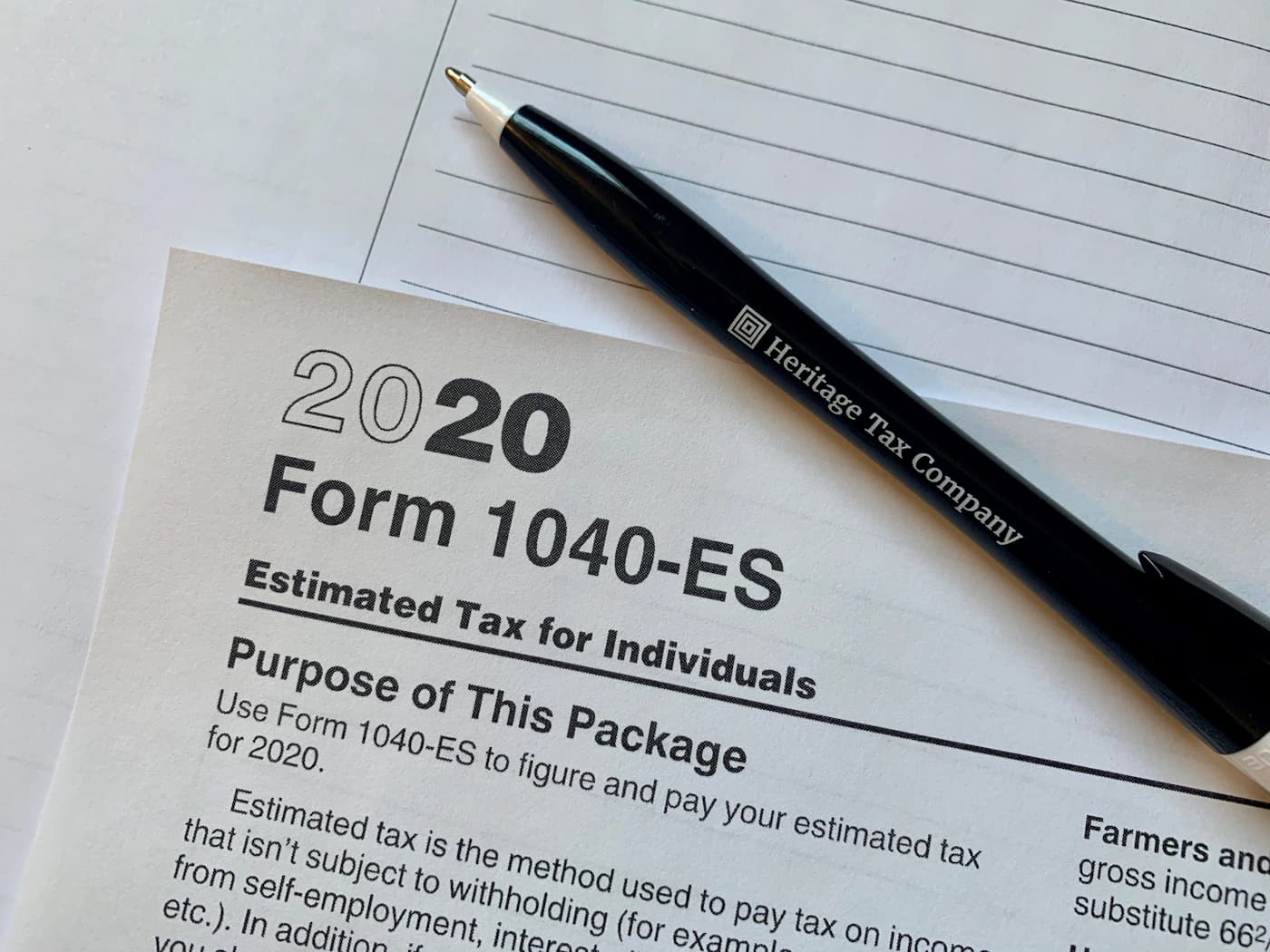
- 02Form 1040 : Your individual income tax return. The net profit from Schedule C is reported on your Form 1040 and combined with any other income you have.
- 03Form 5472 : Required when a disregarded single‑member LLC is foreign‑owned and has reportable transactions with related parties. This form helps the IRS track cross‑border activity and must be filed when applicable.
How Does the Disregarded Entity Status Affect Tax Reporting?
Disregarded status keeps filing simple, you generally don’t file a separate federal return for the LLC. Instead, you report business results on your personal return. That reduces paperwork, but it also means business income is treated as personal income for income and self‑employment tax purposes unless you make a corporate election.
2. How Does Self-Employment Tax Apply to Single Member LLC Owners?

If your LLC is taxed as a sole proprietorship (the default), net business earnings are subject to self‑employment tax. Knowing how this tax is calculated helps you plan for payroll taxes and retirement contributions.
Research and tax guidance consistently note that single‑member LLCs taxed as sole proprietorships carry self‑employment tax liability for the owner.
Self‑Employment Tax for Single‑Member LLCs Taxed as Sole Proprietorships
When a single‑member LLC is treated as a sole proprietorship, the owner is responsible for self‑employment taxes on net business income.
Taxation of Self‑Employment Earnings Across Business Entities: A Proposal for Uniformity, 2007
What Is the Impact of Self-Employment Tax on LLC Income?
Self‑employment tax covers Social Security and Medicare for self‑employed taxpayers. Currently, the combined rate is 15.3% (12.4% Social Security + 2.9% Medicare) on net earnings from the business reported on Schedule C. That tax can materially increase your overall tax bill, so factor it into pricing, savings, and estimated payments.
How Can S Corporation Election Reduce Self-Employment Tax?
One common strategy to lower self‑employment tax is electing S corporation status. With an S election, you pay yourself a reasonable salary (subject to payroll taxes) and may take additional profits as distributions that are generally not subject to self‑employment tax. That can produce tax savings, but it also brings payroll compliance, reasonable‑compensation rules, and additional recordkeeping, so evaluate costs and benefits or talk to a tax advisor before deciding.
3. What Are the Key Tax Implications for Foreign Owners of Single Member LLCs?

Foreign owners face extra reporting and withholding rules that don’t apply to domestic owners. Missing these requirements can trigger penalties, so it’s important to understand which forms and classifications matter for your situation.
Which Tax Forms and Compliance Requirements Apply to Foreign-Owned LLCs?
Foreign‑owned single‑member LLCs should expect to deal with several specific filings:
When a single‑member LLC is treated as a sole proprietorship, the owner is responsible for self‑employment taxes on net business income.
- 01Form 5472 : Required to disclose certain reportable transactions between the LLC and foreign related parties. For disregarded entities, it’s filed with a pro forma Form 1120 to meet IRS rules.
- 02EIN Application : Most foreign owners must obtain an Employer Identification Number (EIN) to operate and file U.S. tax forms.
- 03ITIN Application : If a foreign owner needs to file a U.S. individual tax return and doesn’t qualify for a Social Security number, they’ll generally apply for an Individual Taxpayer Identification Number (ITIN).
How Do Effectively Connected Income and FDAP Income Affect Taxation?
Two key categories affect how foreign income is taxed: effectively connected income (ECI) and fixed, determinable, annual, or periodic (FDAP) income. ECI, income connected to a U.S. trade or business, is taxed at graduated U.S. rates. FDAP (examples: interest, dividends, royalties) is generally subject to a flat 30% withholding tax unless a tax treaty reduces that rate. Correctly classifying income determines rates and withholding rules, so get it right early.
4. What Are the Important Single Member LLC Tax Deductions and Credits?
You can lower taxable income by claiming legitimate business deductions and certain credits. Knowing which expenses qualify helps you keep more of what you earn.
Which Business Expenses Can Single Member LLCs Deduct?
Common deductible expenses include:
- 01Home Office Expenses : If you use part of your home exclusively and regularly for business, you can deduct a portion of mortgage interest, rent, utilities, and related costs (subject to IRS rules).
- 02Business Travel Costs : Reasonable expenses for transportation, lodging, and meals while traveling for business are deductible (meals are generally limited to 50%).
- 03Equipment and Supplies : Purchases of equipment, tools, and supplies needed for your business are deductible, and many items may qualify for Section 179 or bonus depreciation.
How Do Home Office and Retirement Contributions Affect Tax Liability?
Retirement contributions, like those to a Solo 401(k) or a SEP‑IRA, reduce current taxable income and build retirement savings. The home office deduction can also lower tax liability when you meet the eligibility criteria. Combine deductions and retirement planning to improve cash flow and long‑term security.
5. When Are Single Member LLC Tax Deadlines and Estimated Payments Due?
Missing deadlines can trigger penalties and interest, so mark your calendar for annual and quarterly due dates.
What Are the Annual and Quarterly Tax Payment Deadlines?
Key dates include:
- 01April 15 : Due date for filing your individual tax return (Form 1040) and paying any tax owed for most taxpayers.
- 02Quarterly Estimated Payments : If you expect to owe tax, make estimated payments on April 15, June 15, September 15, and January 15 of the following year (dates can shift slightly if they fall on weekends or holidays).
How Can Extensions and Penalties Impact Filing?
You can request a filing extension, usually six extra months, to submit your return, but an extension to file does not extend the payment deadline. Pay what you expect to owe by the original due date to avoid penalties and interest. If you can’t pay in full, contact the IRS about payment options and consider working with a tax professional.
*Form 5472 must be filed with a pro forma Form 1120 for foreign‑owned single‑member LLCs that are disregarded entities.
In short, understanding how your single‑member LLC is treated for tax purposes helps you stay compliant and keep more of your earnings. Know what to file, how self‑employment tax applies, and which deductions and deadlines matter for your situation. When in doubt, consult a tax professional who can tailor advice to your business.
Frequently Asked Questions
What are the benefits of electing S Corporation status for a single member LLC?
Electing S corporation status can lower self‑employment tax by letting you split income between a reasonable salary (subject to payroll taxes) and distributions that aren’t subject to self‑employment tax. That can save money, but it also creates payroll and compliance obligations. We recommend running the numbers or talking to an advisor so you understand the tradeoffs.
How does the choice of business structure affect tax obligations?
Your business structure determines how income is reported and taxed. A single‑member LLC taxed as a disregarded entity passes income to your personal return. A corporation is taxed separately and may face double taxation on distributed profits unless you choose S status. Choose based on tax, liability, and growth plans.
What are the implications of not filing Form 5472 for foreign-owned LLCs?
Not filing Form 5472 when required can trigger steep penalties, typically starting at $10,000 per missed form, and additional penalties if the omission is intentional. Foreign owners should prioritize this filing and work with a tax pro if they’re unsure whether it applies.
Can single member LLC owners deduct health insurance premiums?
Yes. If you’re self‑employed and not eligible for employer‑sponsored coverage (through you or a spouse), you can generally deduct health insurance premiums as an adjustment to income on your Form 1040. That deduction can meaningfully reduce your taxable income.
What happens if a single member LLC does not make estimated tax payments?
If you don’t make required estimated tax payments, the IRS may assess penalties and interest for underpayment. To avoid surprises, estimate your tax liability each year and make quarterly payments if needed. If your income is uneven, consider adjusting payments as your earnings change.
How can single member LLC owners prepare for an IRS audit?
Keep complete, organized records: receipts, invoices, bank statements, and documentation tying expenses to business use. Good bookkeeping makes audits simpler and reduces risk. Consider working with a qualified accountant to review your records and represent you if an audit occurs.

Conclusion
Knowing how single‑member LLCs are taxed gives you confidence to run your business and plan ahead. Understand your default filing rules, the self‑employment tax impact, special rules for foreign owners, common deductions, and key deadlines. For personalized guidance, consult a tax professional who can align strategy with your goals and keep you compliant.

A firm or advisor? Refer clients and build alongside Prodezk.
Further reading

Taxes8 min read
What Is a Tax Identification Number (TIN)?, TIN vs SSN Explained
Understand the differences between a Tax Identification Number (TIN) and SSN. Which one do you need for your business in the U.S.? Discover real examples and common mistakes.

Taxes3 min read
2025 Tax Season: Key Changes and How to Prepare
As tax season in the U.S. approaches, we offer a complete guide on changes to the tax brackets for 2025. Discover updated rates, deductions, benefits, and strategies to make the most of the fiscal adjustments, ensuring an optimized tax return for the upcoming year.

Taxes17 min read
Why Doesn’t the United States Have a VAT? Key Differences Between VAT and US Sales Tax
Explore VAT in the United States: Why there's no federal system, how sales tax works across states, and implications for international businesses in 2026. Learn compliance tips, refunds, and cost-saving strategies from experts. Get started with Prodezk today!