


The JournalTaxes
Essential Steps for U.S. Tax Registration for Startups
By Andres Platts · February 19, 2026 · 8 min read
Quick answer
Eager to launch your startup? Understand the essential steps for U.S. tax registration, ensuring compliance and paving the way for your business success!


Master U.S. Tax ID Registration, A Practical Guide for International Startups

U.S. tax registration can feel overwhelming for international founders launching a startup. This clear, step‑by‑step guide explains the tax IDs you’ll need, how to get them, and how entity choice affects your obligations. We cover the Employer Identification Number (EIN), LLC vs. C‑Corp trade‑offs, key federal forms, state rules, and practical compliance tips. By the end, you’ll have a straightforward roadmap to register and operate compliantly in the U.S.
1. Which U.S. Business Tax IDs Do Startups Need?
Startups operating in the U.S. must obtain several tax identifiers to stay compliant and run day‑to‑day operations. These IDs are used for tax reporting, opening bank accounts, hiring staff, and establishing legal credibility. The primary identifier is the Employer Identification Number (EIN), the IRS’s unique business number, usually the first thing you should secure after formation.
What Is an Employer Identification Number and Why Is It Crucial?
An Employer Identification Number (EIN) is a nine‑digit identifier issued by the IRS to a business. You need it to file federal taxes, apply for many business licenses, open a business bank account, and run payroll. Without an EIN, you’ll face practical obstacles to operating and scaling your company in the U.S.
How Do International Entrepreneurs Obtain an EIN Without an SSN or ITIN?
If you don’t have a Social Security Number (SSN) or an Individual Taxpayer Identification Number (ITIN), you can still get an EIN by submitting Form SS‑4 by fax or mail, online filing requires an SSN or ITIN. The form asks for basic business details, structure, and the reason for the EIN. Common pitfalls include eligibility misunderstandings and incomplete form entries, so plan carefully.
2. How to Choose the Right U.S. Business Entity for Tax Registration?
Choosing the right entity affects taxes, compliance, investor readiness, and future exits. The two most common structures are Limited Liability Companies (LLCs) and C‑Corporations (C‑Corps). Each option has distinct tax treatments and administrative demands that shape your startup’s financial and regulatory profile.
What Are the Tax Implications of LLC vs. C-Corp for Foreign Founders?
LLCs are typically pass‑through entities: profits (and losses) flow to owners’ personal returns, avoiding corporate‑level tax. C‑Corps are taxed at the corporate level, and distributions to shareholders can be taxed again, creating double taxation. For foreign founders, these differences affect withholding, treaty application, and exit strategies, so evaluate both tax and operational implications before deciding.
How Does Business Structure Affect Startup Tax Compliance in the USA?
Your entity choice determines filing duties and corporate formalities. C‑Corps generally face stricter requirements, annual meetings, minutes, and more detailed filings, while LLCs often have lighter formalities, depending on tax classification. Align the structure with your growth plans and compliance capacity to avoid surprises.
3. What Are the Key Federal Tax Forms Startups Must File?
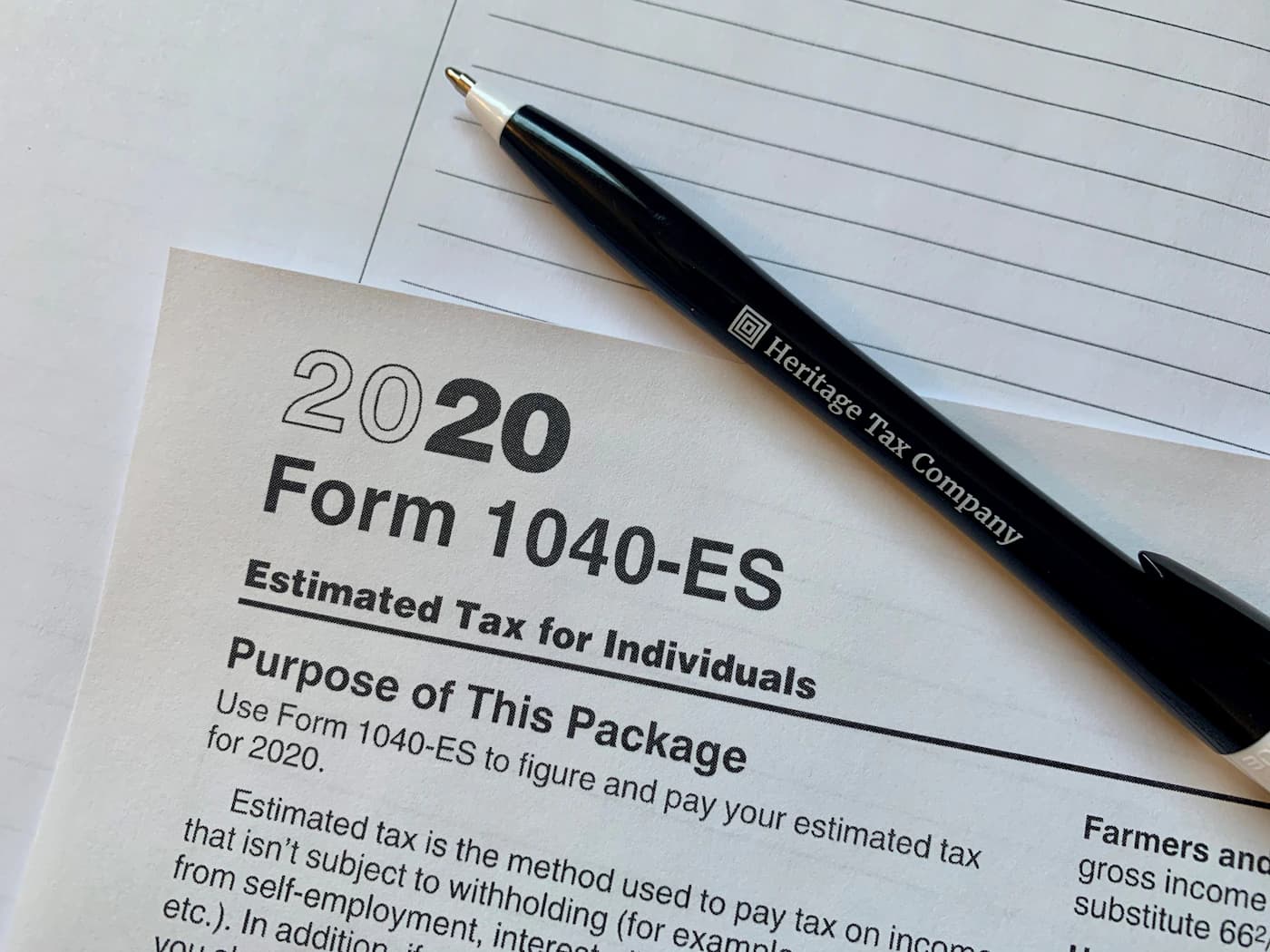
Federal filing obligations vary by entity type and business activities. Knowing which forms apply and their deadlines is essential to avoid penalties and keep operations running smoothly. Common forms target corporations, partnerships, and foreign‑owned entities.
Who Needs to File Form 1120, Form 5472, and Form 1065?
Form 1120 is filed by C‑Corporations to report income, gains, losses, and deductions. Form 5472 is required for certain foreign‑owned U.S. corporations to disclose specified transactions with related parties. Form 1065 is used by partnerships to report partnership income, deductions, and credits. Each form has its own eligibility thresholds and filing rules.
How Does Beneficial Ownership Information Reporting Impact Startups?
Beneficial Ownership Information (BOI) reporting requires disclosure of individuals who ultimately own or control a company. This increases transparency and adds a reporting step, particularly for foreign‑owned startups. Understand BOI deadlines and requirements early to prevent penalties and administrative delays.
C‑Corps generally face stricter requirements, annual meetings, minutes, and more detailed filings, while LLCs often have lighter formalities, depending on tax classification.
Get a free consultation
4. How Do State and Local Tax Requirements Affect Startup Tax Registration?
State and local tax rules vary widely and can materially affect your tax burden and compliance workload. Sales tax, franchise tax, state income tax, and registration requirements depend on where you form the company and where you conduct business.
What Are State Franchise and Sales Tax Obligations in Delaware and Wyoming?
Delaware is a popular incorporation choice: it has no state sales tax but does impose an annual franchise tax on corporations, calculated either by authorized shares or the assumed par value capital method. Wyoming has no corporate income tax and low annual fees, making it attractive for many startups. Choose a state based on your legal needs, tax strategy, and investor expectations.
How Does Sales Tax Nexus Apply to E-commerce Startups?
Sales tax nexus is the connection that gives a state authority to tax your sales. Nexus can be physical (office, employees) or economic (sales thresholds), and e‑commerce businesses must monitor where nexus is established. Registering, collecting, and remitting sales tax in nexus states is essential to avoid back taxes and penalties.

5. What Tax Compliance Strategies Should International Startups Follow?
International startups should combine proactive entity planning, careful treaty analysis, and disciplined record keeping. These tactics reduce tax costs, limit compliance risk, and support sustainable growth.
How Can U.S. Tax Treaties Help Avoid Double Taxation?
U.S. tax treaties with other countries can reduce or eliminate double taxation on certain types of income and often lower withholding rates on dividends, interest, and royalties. Treaty benefits depend on residency and income type, a tax advisor can help you claim these benefits correctly.
What Are Effective Tax Planning and Credit Opportunities for Startups?
Effective planning includes identifying credits and deductions that match your activities, for example, the Research and Development (R&D) tax credit for qualifying innovation expenses. Thoughtful timing of income and expenses, and documenting qualified activities, can materially improve your tax position.
6. How Does Prodezk Support Startups in U.S. Tax Registration and Compliance?
Prodezk helps international entrepreneurs form U.S. companies, obtain tax IDs, and maintain compliance. With over 24 years of experience and more than 15,000 companies supported, we guide founders through registration, filings, and ongoing reporting so you can focus on growing your business.
What Professional Services Does Prodezk Offer for EIN and Tax Filings?
Prodezk provides hands‑on assistance with EIN applications, form preparation, federal and state filing guidance, and ongoing tax support. We help you complete forms accurately, meet deadlines, and address common tax questions to reduce risk and administrative burden.
How Does Prodezk Simplify Ongoing Compliance and BOI Reporting?
Our compliance services include BOI reporting support, annual filing reminders, and tailored solutions to keep your records in order. We handle the technical details so you can stay focused on building your company while meeting regulatory requirements.
Increase your profits and optimize your taxation in the United States.
Frequently Asked Questions
What is the difference between an EIN and an ITIN?
An Employer Identification Number (EIN) identifies a business for tax and reporting purposes. An Individual Taxpayer Identification Number (ITIN) is issued to individuals who must file U.S. taxes but don’t qualify for a Social Security Number (SSN). EINs are for entities; ITINs are for people, pick the one that fits your filing status.
Can a foreign entrepreneur open a U.S. bank account without an EIN?
Most U.S. banks require an EIN to open a business account because it verifies the company for tax reporting. A few banks may accept alternative documents in specific cases, but requirements vary by institution. Securing an EIN usually makes banking simpler and faster.
What are the consequences of failing to comply with U.S. tax regulations?
Non‑compliance can lead to fines, penalties, interest on unpaid taxes, and in severe cases legal action or loss of business privileges. It can also harm your reputation and limit future opportunities. Staying current with filings and registrations is essential to avoid these risks.
How often do startups need to file tax returns in the U.S.?
Filing frequency depends on entity type and taxes owed. C‑Corporations typically file annual federal returns; partnerships file Form 1065 annually; LLCs’ obligations depend on tax classification. Many businesses also make quarterly estimated tax payments. Know your deadlines to prevent penalties.
What resources are available for international entrepreneurs navigating U.S. tax laws?
Key resources include the IRS website for official guidance, professional services like Prodezk for hands‑on help, and industry webinars, online forums, and local business associations for practical advice and networking. Use multiple sources and, when in doubt, consult a tax professional.
Are there any tax incentives for startups in the U.S.?
Yes. Federal and state incentives exist, such as the R&D tax credit for qualifying innovation expenses. States may offer credits, exemptions, or grants to attract businesses. A tax advisor can identify which incentives apply to your startup and help you claim them properly.

A firm or advisor? Refer clients and build alongside Prodezk.
Conclusion
Registering for U.S. taxes is a critical step for international startups, and it doesn’t have to be confusing. By securing the right tax IDs, choosing an appropriate entity, and following sound compliance practices, you’ll reduce risk and position your company for growth. If you’d like help at any stage, Prodezk offers practical, experienced support to guide you through the process and keep your startup compliant.
A firm or advisor? Refer clients and build alongside Prodezk.
Further reading

Taxes8 min read
What Is a Tax Identification Number (TIN)?, TIN vs SSN Explained
Understand the differences between a Tax Identification Number (TIN) and SSN. Which one do you need for your business in the U.S.? Discover real examples and common mistakes.

Taxes3 min read
2025 Tax Season: Key Changes and How to Prepare
As tax season in the U.S. approaches, we offer a complete guide on changes to the tax brackets for 2025. Discover updated rates, deductions, benefits, and strategies to make the most of the fiscal adjustments, ensuring an optimized tax return for the upcoming year.

Taxes17 min read
Why Doesn’t the United States Have a VAT? Key Differences Between VAT and US Sales Tax
Explore VAT in the United States: Why there's no federal system, how sales tax works across states, and implications for international businesses in 2026. Learn compliance tips, refunds, and cost-saving strategies from experts. Get started with Prodezk today!