


The JournalTaxes
Navigate US Tax Obligations for Startups with Ease
By Andres Platts · January 17, 2026 · 8 min read
Quick answer
Navigate US tax obligations for startups effortlessly. Gain essential insights to ensure compliance and smart financial decisions for your growing business.


Mastering US Startup Taxes, A practical guide for international founders

US tax rules are complex but manageable, especially when you know where to focus. This guide walks international entrepreneurs through the federal and state tax obligations that matter most to startups, explains how entity choice changes your tax profile, and lists the compliance steps and deadlines you can’t miss. Beyond avoiding penalties, the goal is to help you spot tax-saving opportunities and build a cleaner, more tax-efficient foundation for growth.
1. What Are the Key Federal and State Tax Obligations for US Startups?
Startups must navigate taxes at both federal and state levels. At the federal level, expect income, payroll, and self‑employment taxes; state-level rules, including income and sales taxes, vary widely and can materially affect cash flow and operating decisions.
Which Federal Taxes Must US Startups File and Pay?
Federal tax responsibilities for startups typically include:
- 01Income Tax : Annual returns reporting taxable profit, the foundation of federal business tax compliance.
- 02Payroll Tax : Withholding and employer contributions for any employees you hire.
- 03Self-Employment Tax : Applies to net earnings for sole proprietors and partners.
Missing federal filings or payments quickly leads to penalties and interest, so systems for recordkeeping and timely filing are essential from day one.
How Do State Income and Sales Taxes Affect New Businesses?
State taxes can change the economics of where and how you operate. Key points to consider include:
- State Income Tax : Most states tax business income; rates and rules differ significantly.
- Sales Tax : If you sell taxable goods or services, you may need to collect and remit sales tax in states where you have obligations.
- Nexus Considerations : Physical presence, remote sales, or employees can create nexus and additional filing requirements.
Carefully mapping state rules will help you avoid surprises and inform decisions about where to incorporate, hire, or sell.
Prodezk specializes in helping international founders interpret these rules and stay compliant as they scale in the US market.
2. How Do Business Entity Types Impact US Startup Tax Responsibilities?
Your choice of entity, LLC, C‑Corporation, S‑Corporation, or partnership, determines tax treatment, reporting burdens, and the tax outcomes for owners. Picking the right structure early is both a compliance and a tax-planning decision.
What Are the Tax Implications for LLCs Owned by Foreign Founders?
For foreign-owned LLCs, pay attention to:
- Filing Requirements : Disregarded foreign-owned LLCs often must file Form 5472 to disclose reportable transactions with foreign owners.
- Tax Treaties : Bilateral treaties can reduce withholding or tax on certain income, check treaty benefits based on the owner’s country.
- State-Specific Rules : States may add filing, registration, or tax obligations for foreign-owned entities.
Understanding these rules upfront helps avoid unexpected tax bills and reporting penalties.
How Do C-Corporations and S-Corporations Differ in US Taxation?
C‑ and S‑Corporations have distinct tax profiles:
- C-Corporations : Subject to corporate tax at the entity level; distributions to shareholders can be taxed again as dividends.
- S-Corporations : Pass-through taxation at the shareholder level, avoiding corporate-level tax, but S‑Corps cannot have nonresident alien shareholders, which typically excludes foreign owners.
Entity selection should be driven by your financing plans, ownership structure, and long‑term tax goals.
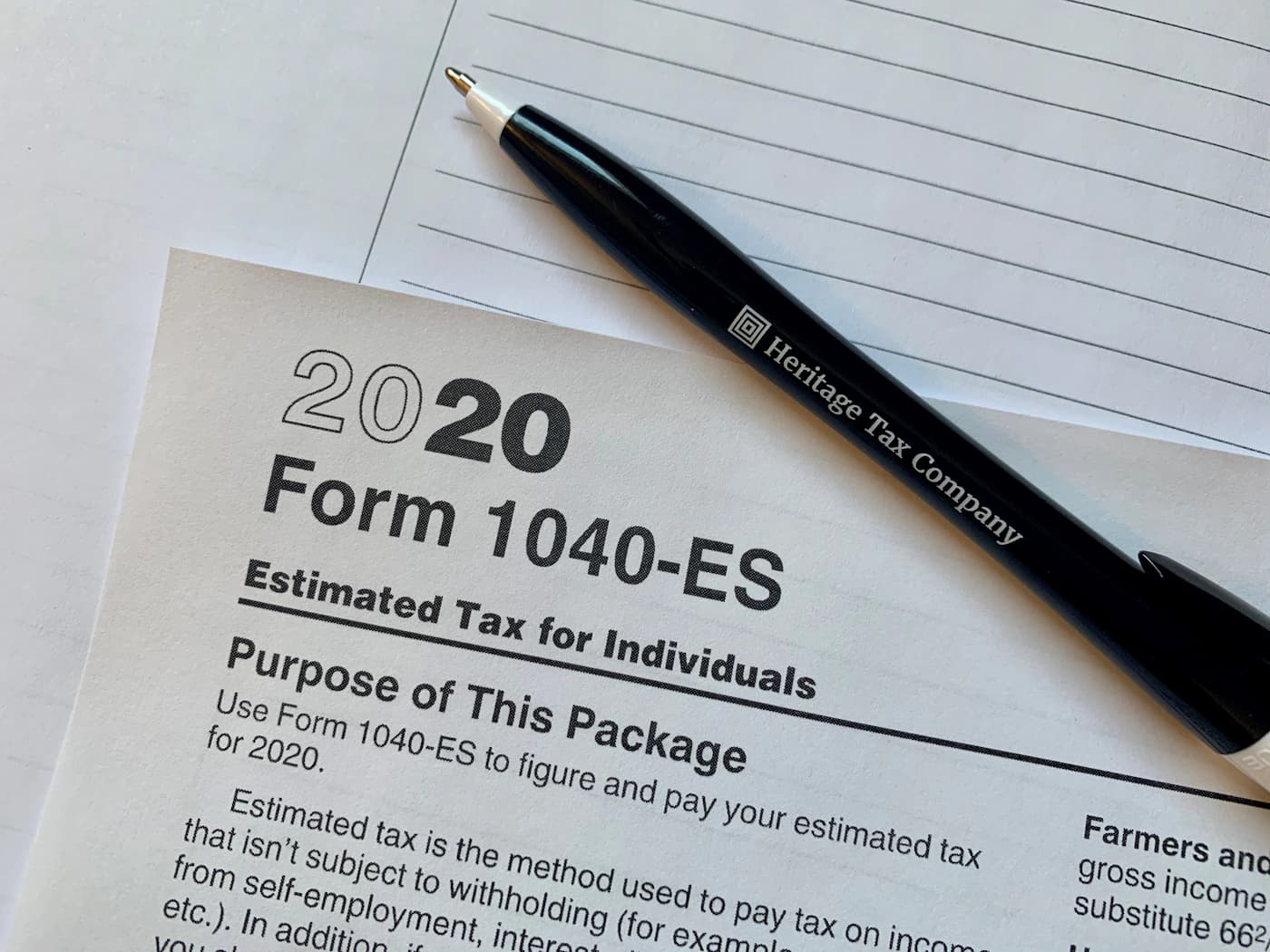
Increase your profits and optimize your taxation in the United States.
3. What Are the Essential Tax Compliance Requirements and Deadlines for Startups?
Compliance means timely registrations, withholding, filing, and payments. Missing deadlines can cost more than the tax itself, plan calendars and processes early.
How to Apply for an EIN and ITIN as an International Entrepreneur?
International founders usually need two key identifiers:
- 01EIN Application : File Form SS-4 (online or by mail) to get an Employer Identification Number for tax reporting and hiring.
- 02ITIN Application : File Form W-7 if you need an Individual Taxpayer Identification Number and cannot get an SSN.
Securing these IDs early makes payroll, banking, and tax filings much smoother.
What Are the Critical Tax Filing Deadlines and Reporting Obligations?
Important dates to mark:
Entity selection should be driven by your financing plans, ownership structure, and long‑term tax goals.
- Annual Tax Returns : Commonly March 15 for S‑Corporations and April 15 for C‑Corporations (confirm specifics for your entity type).
- Quarterly Estimated Taxes : Due April 15, June 15, September 15, and January 15 for estimated payments.
- State-Specific Deadlines : Each state sets its own filing and payment timelines
Keep a shared filing calendar and consider automated reminders to reduce the risk of late filings.
4. How Can International Founders Navigate US Tax Reporting and Withholding?
Foreign founders face extra reporting and withholding rules. Knowing the required forms and how treaties apply will prevent costly mistakes.
What IRS Forms Are Required for Foreign-Owned US Companies?
Common IRS forms to watch for include:
- Form 5472 : Reports certain transactions between a foreign owner and a US entity, particularly for disregarded entities.
- Form 1120 : Corporate income tax return for C‑Corporations.
- Form 1065 : Partnership return, used when an LLC is taxed as a partnership.
Accurate, timely filing of these forms reduces audit risk and penalties.
How Do Withholding Taxes and Tax Treaties Affect Foreign Entrepreneurs?
Key considerations:
- Withholding Tax Rates : Rates vary by income type and the taxpayer’s country of residence.
- Tax Treaties : Applicable treaties can lower withholding or provide exemptions, you’ll need the right documentation to claim benefits.
Review withholding rules for payments to foreign persons and rely on treaty guidance where available.

5. What Tax Credits and Incentives Are Available to US Startups?
Startups can access credits and deductions that materially improve cash flow. Identifying eligible credits early increases the value of your R&D and operating investments.
How Does the R&D Tax Credit Benefit Early-Stage Companies?
The Research & Development (R&D) tax credit can be a major benefit:
- Tax Savings : Eligible R&D expenses may qualify for a credit worth up to roughly 20% of those costs (subject to rules).
- Cash Flow Improvement : Qualified small businesses may apply the credit against payroll taxes, providing near-term cash relief.
Document technical activities and eligible costs carefully to substantiate claims.
What Startup Cost Deductions Can Reduce Taxable Income?
Common deductible startup costs include:
- Business Formation Costs : Legal, incorporation, and accounting fees tied to setting up the business.
- Operational Expenses : Pre‑opening costs like market research, prototypes, and early marketing.
Properly classifying and tracking these expenses lowers taxable income when you start operations.
6. What Are the New Compliance Requirements Like Beneficial Ownership Information Reporting?
New reporting rules, including Beneficial Ownership Information (BOI), add another compliance layer. Missing BOI deadlines can carry heavy penalties, so treat BOI the same as your other mandatory filings.
Who Must File BOI Reports and What Are the Deadlines?
BOI filing basics:
- Corporations and LLCs : Usually required to report information about beneficial owners.
- Filing Deadlines : Reports are generally due within 30 calendar days of formation or registration, with periodic updates required.
Confirm exemptions and state interactions early, penalties for noncompliance are serious.
How Does Prodezk Support Startups with BOI and Other Compliance Services?
Prodezk helps startups manage compliance efficiently:
- Guidance on Reporting Requirements : We clarify what must be reported and when.
- Assistance with Filing : We prepare and submit required forms to reduce administrative burden.
With Prodezk handling filings, founders can focus on product and growth instead of paperwork.
Staying organized and proactive is the best defense against penalties. Use a clear filing calendar, maintain clean books, and evaluate credits and deductions each year to keep your startup financially healthy.
Get a free consultation
Frequently Asked Questions
What are the common mistakes startups make regarding tax compliance?
Typical missteps include poor recordkeeping, overlooking state filing obligations, and misclassifying workers as contractors. These errors often lead to unexpected liabilities or penalties. Startups should prioritize accurate bookkeeping and get professional advice when classification or multi‑state issues arise.
How can startups benefit from tax planning strategies?
Proactive tax planning uncovers deductions, credits, and timing strategies that improve cash flow and reduce total tax cost. Structuring the business correctly, documenting R&D activities, and timing income or expenses strategically are common levers that startups use to optimize tax outcomes.
What resources are available for startups to learn about tax obligations?
Good starting points include the IRS website, local Small Business Development Centers (SBDCs), and reputable tax blogs or webinars. For tailored guidance, consult a CPA or tax advisor familiar with startups and international founder issues.
How do tax obligations differ for startups in different states?
State-by-state differences can be significant: income tax rates, sales tax rules, and nexus standards vary and affect where you should register, hire, and sell. Research state rules early and consult a tax advisor to understand the practical impact on your business model.
What are the implications of not filing taxes on time for startups?
Late filings can trigger penalties, interest, and loss of credits or elections, and in extreme cases invite audits or enforcement actions. Maintain a calendar of deadlines and use software or professional services to reduce the risk of missed filings.
What role do tax advisors play in helping startups?
Tax advisors help select the best entity, identify eligible deductions and credits, and ensure accurate filings. They reduce risk, save time, and often deliver net tax savings that justify the cost of their services, especially for international founders navigating US rules.

A firm or advisor? Refer clients and build alongside Prodezk.
7. Conclusion
Understanding US startup taxes is essential for international founders who want to scale in the United States. With the right entity choice, organized records, and strategic use of credits and deductions, you can limit tax friction and free up cash for growth. If this feels overwhelming, Prodezk’s team can help you map obligations, file accurately, and put compliance on autopilot so you can focus on building the business.
A firm or advisor? Refer clients and build alongside Prodezk.
Further reading

Taxes8 min read
What Is a Tax Identification Number (TIN)?, TIN vs SSN Explained
Understand the differences between a Tax Identification Number (TIN) and SSN. Which one do you need for your business in the U.S.? Discover real examples and common mistakes.

Taxes3 min read
2025 Tax Season: Key Changes and How to Prepare
As tax season in the U.S. approaches, we offer a complete guide on changes to the tax brackets for 2025. Discover updated rates, deductions, benefits, and strategies to make the most of the fiscal adjustments, ensuring an optimized tax return for the upcoming year.

Taxes17 min read
Why Doesn’t the United States Have a VAT? Key Differences Between VAT and US Sales Tax
Explore VAT in the United States: Why there's no federal system, how sales tax works across states, and implications for international businesses in 2026. Learn compliance tips, refunds, and cost-saving strategies from experts. Get started with Prodezk today!