

The JournalCompliance
Get Your Free Annual Credit Report: Know Your Score Today
By Andres Platts · January 9, 2026 · 18 min read
Quick answer
Get key insights from our Annual Report and understand the trends driving success. Learn how our results can benefit you and your business today!

How to Get Your Free Annual Credit Report Online - A Practical Guide to Accessing and Understanding Your Official Credit Records

Your free annual credit report is the official consumer record the national credit bureaus maintain. It summarizes your credit accounts, payment history, public records, and inquiries, and this guide walks you through how to get it, read it, and use it to protect your financial position. You’ll find exactly where to request the official report, step‑by‑step verification tips for online and alternative methods, how to spot and dispute errors, and practical steps entrepreneurs can take to separate and build business credit once personal records are accurate. Many founders, especially foreign and Latino entrepreneurs, face funding hurdles tied to incomplete or incorrect reports. Getting the right report and following compliant correction steps can unlock better loan terms and supplier relationships. From requesting files on AnnualCreditReport.com to interpreting account sections, disputing inaccuracies under the FCRA, and protecting against identity theft, this article gives clear, actionable checklists, comparison tables, and monitoring recommendations for both consumer and business credit readiness.
1. What Is a Free Annual Credit Report and Why Is It Important?
A free annual credit report is a legally protected disclosure compiled by credit reporting agencies that shows your credit accounts, payment history, public records, and inquiries so you can verify accuracy and detect fraud. Lenders and other furnishers send account-level data to Equifax, Experian, and TransUnion; under the Fair Credit Reporting Act (FCRA) you have the right to review each bureau’s report at least once every 12 months. The main benefit is catching errors or identity theft early, problems that can derail loan applications or raise borrowing costs. Think of the report as a diagnostic tool for loan readiness: knowing each section helps you decide what to monitor and what to fix next. The sections below break down what to look for and why annual checks matter for consumers and business owners alike.
What Information Does a Free Annual Credit Report Include?
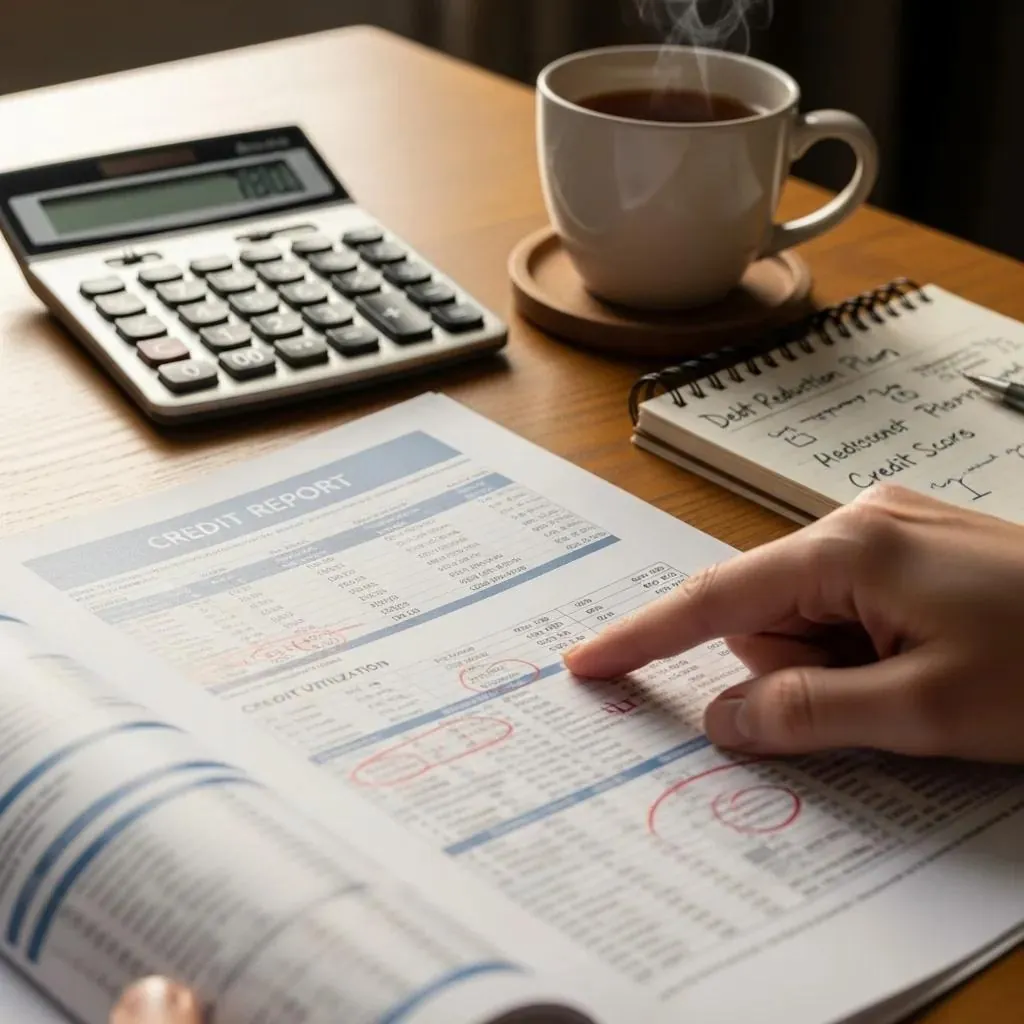
A standard free annual credit report shows identifying information, account listings (trade lines) with payment history and balances, credit inquiries, and public records such as judgments or liens, all items lenders review. Identifying information confirms the report belongs to you and helps spot identity mix-ups. Account listings show open/closed status, balances, and payment timeliness. Inquiries reveal who has pulled your file. Public records flag legal or tax entries lenders weigh heavily. Each section maps directly to lending criteria: payment history drives most credit decisions, balances influence utilization, and recent inquiries can signal immediate credit-seeking. Understanding these parts helps you prioritize disputes and gather the right documents for corrections.
Introductory table: key report sections mapped to content and relevance.
Why Should Entrepreneurs and Consumers Check Their Credit Reports Annually?
Checking your credit reports each year helps you find errors, spot identity theft, and remove outdated information before it harms financing or vendor relationships. Entrepreneurs frequently rely on personal credit for startup funding, lines of credit, or personal guarantees, so an accurate personal report supports better loan pricing and more options. For foreign and Latino founders building U.S. operations, catching inaccuracies early avoids confusion from limited U.S. credit history and smooths interactions with lenders and suppliers. Annual checks also create a paper trail that supports disputes and shows lenders you manage finances proactively.
Benefits of annual checks for entrepreneurs and consumers:
- Detect and correct errors early : Fixing wrong balances or misattributed accounts prevents surprises during underwriting.
- Prevent identity theft : Spot unfamiliar accounts or inquiries that could indicate fraud.
- Improve loan readiness : Cleaner reports strengthen your position when negotiating rates and terms.
In short, an annual report is a basic financial habit that protects both personal credit and business readiness. The next section explains how to obtain the official free report online.
Alongside personal checks, keep your business filings and records accurate, they support personal credibility when lenders evaluate owner profiles. Prodezk offers phone service, annual report, tax, and accounting services that help entrepreneurs maintain consistent corporate records, which can strengthen creditworthiness when lenders review both business and owner information. If you need help organizing corporate documents and financial statements for loan applications or disputes, a professional service can reduce administrative friction and improve funding readiness.
Increase your profits and optimize your taxation in the United States.

The flexible structure most founders choose, set up for your state.
2. How to Obtain Your Official Free Credit Report Online from Credit Report Bureaus
The official route to get your free credit report online is the centralized, government‑recognized portal that aggregates the three bureaus’ reports. The process requires identity verification: enter personal identifiers, choose which bureaus’ reports you want, answer verification questions, and download or print your reports. Using the official portal reduces the risk of fraud from look‑alike sites and gives you centralized access to Equifax, Experian, and TransUnion. Below is a practical step‑by‑step guide plus verification tips entrepreneurs commonly need.
Steps to request and retrieve your free annual credit reports:
- Visit the official centralized portal at AnnualCreditReport.com and pick the bureaus you want.
- Enter identifying details such as full name, date of birth, and Social Security number or ITIN.
- Answer verification questions about past accounts or addresses to confirm your identity.
- Select and download each bureau’s report or print a copy for your records.
- Save copies securely and mark any unfamiliar entries for immediate review.
Below are common verification tips and troubleshooting suggestions that follow these steps to reduce delays and avoid scams.
What Are the Steps to Request Your Free Annual Credit Report from AnnualCreditReport.com?
Requesting reports from the official site means selecting the bureaus, filling in identifying fields, and answering knowledge‑based verification questions. If you pass verification, you can download the reports immediately. Questions may reference past lenders, addresses, or account details, so entrepreneurs should have recent bank statements and corporate filing dates handy if personal and business records overlap. Foreign entrepreneurs often face added verification friction; in those cases, secondary ID, consistent address records, or prior U.S. bank statements can help. Avoid third‑party sites that advertise "free" reports but may harvest data, use the centralized portal for the official, no‑cost copy.
Verification troubleshooting tips:
- Keep recent bank or tax documents ready for identity confirmation.
- Use the same official identifiers consistently across requests to avoid mismatches.
- If knowledge‑based questions fail, try the phone or mail request options described next.
These steps prepare you for alternate access methods and help you preserve accurate records.
Are There Other Ways to Get Your Free Credit Report Besides Online?
Yes. The bureaus accept phone and mail requests for your official annual free report, and some offer extended or more frequent access in special circumstances like identity‑theft investigations. Phone requests require identity verification and may result in mailed reports or secure retrieval instructions; mail requests use a standard form and can take longer but are useful when online verification isn’t possible. In certain situations, bureaus provide temporary or weekly access, for example, when you’re actively monitoring after suspected fraud. Best practices: keep copies of your request, note submission dates, and save any confirmation numbers.
Alternatives and best practices summary: what is it for
- Use phone or mail when online verification fails or for added privacy.
- Track and archive request confirmations to support future disputes.
- Consider weekly or extended access if you’re actively monitoring for fraud.
These options ensure access when online verification isn’t feasible and lead into how personal and business credit reporting differ.
3. What Are the Differences Between Personal and Business Credit Reports?
Personal and business credit reports are separate records with different data sources, scoring models, and uses. Personal reports come from consumer bureaus; business reports are maintained by vendors like Dun & Bradstreet, Experian Business, and Equifax Business. Business reporting relies on trade lines from vendors, public filings, and commercial credit applications, while personal reports focus on consumer loans, credit cards, and consumer public records. The distinction matters because entrepreneurs should move from relying on personal credit toward a separate business credit profile to access larger financing and better trade terms. The table below summarizes key differences and why separating credit profiles is important.
How Does Personal Credit Affect Entrepreneurs and Business Funding?
Personal credit often shapes early business funding because lenders and suppliers may require personal guarantees or rely on personal scores when a business has little credit history. Lenders use personal credit as a proxy for an owner’s willingness and ability to repay; so late payments or high utilization can raise interest rates or trigger denials. For foreign entrepreneurs with limited U.S. history, reliance on personal credit is especially common; options like co‑signers or building business trade lines can reduce that reliance. Entrepreneurs should work on improving personal credit while formalizing business finances to separate the two profiles over time.
Practical steps include getting an EIN, opening dedicated business bank accounts, and documenting on‑time vendor payments to lessen the need for personal guarantees. Next we cover how to establish and monitor business credit affordably.
How to Establish and Monitor Your Business Credit Report for Free or Low Cost?
Start by formalizing your business: register for an EIN, incorporate or form an LLC, and register with business credit vendors where applicable. Open trade accounts with suppliers who report payments to business bureaus and keep consistent, timely bookkeeping. Business credit builds from measurable, on‑time vendor payments and clean public filings like annual reports. Low‑cost monitoring options include periodic free lookups from business bureaus, basic vendor report subscriptions, and tracking invoices through accounting software to keep documentation handy. Good bookkeeping and consistent filings speed up the move from personal dependency to a distinct business credit profile.
Checklist for business credit setup:
- Register EIN and formalize the business : Obtain an EIN and complete formation steps.
- Get a D‑U‑N‑S number : Register with business reporting services when appropriate.
- Open vendor accounts that report : Use suppliers that report trade lines and pay on time.
Summary: Formalization plus consistent vendor payments and clean records are the core levers for building business credit.
If you need help with EIN setup, D‑U‑N‑S registration, or consistent accounting to separate credit profiles, consider professional incorporation and accounting support. Prodezk provides incorporation, corporate documents, accounting, tax services, and annual report help to streamline EIN registration, D‑U‑N‑S enrollment, and trade‑line strategy.
The bureaus accept phone and mail requests for your official annual free report, and some offer extended or more frequent access in special circumstances like identity‑theft investigations.
How to Identify and Dispute Errors on Your Free Annual Credit Report?
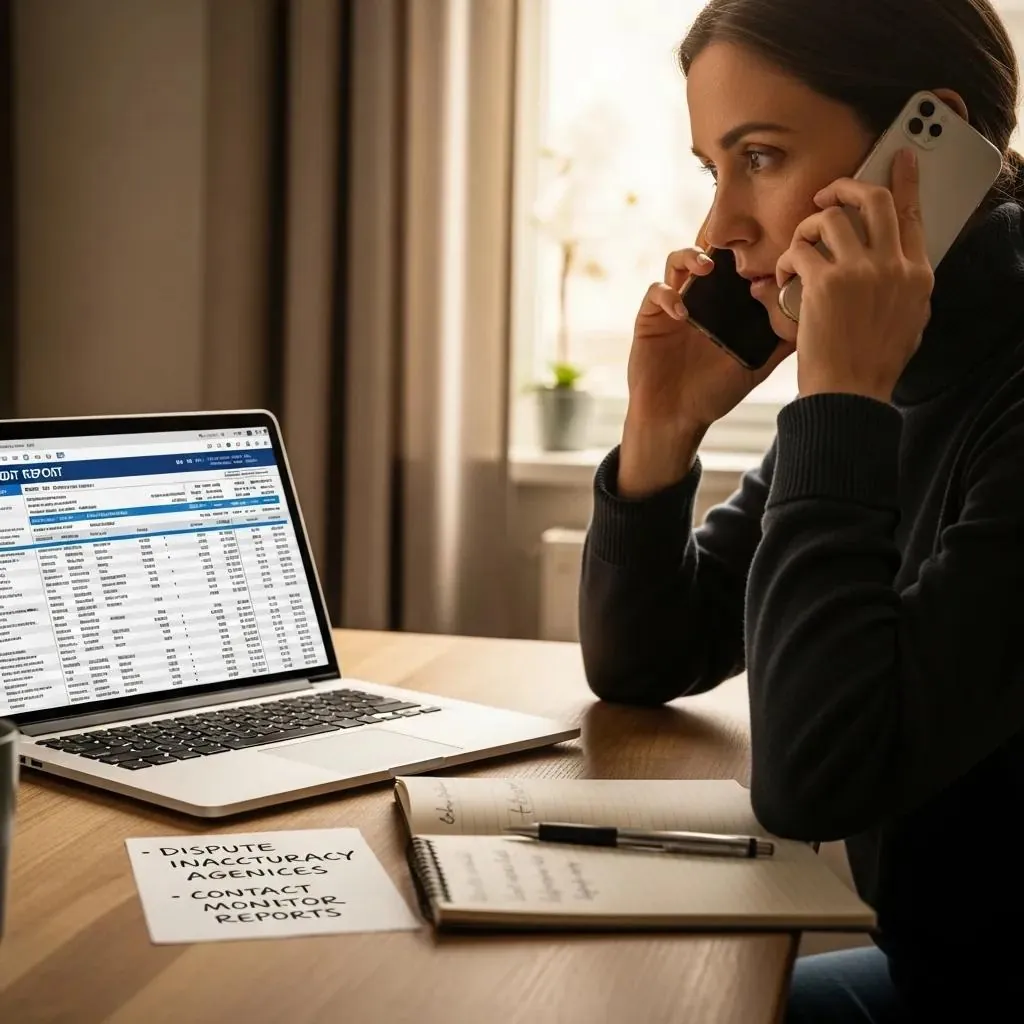
Start by reviewing account names, balances, dates, and public records line by line so you can spot inaccuracies and gather documentation to support corrections. The correction process follows FCRA dispute procedures: notify the bureau and the furnisher with evidence, the bureau investigates, and they must correct or verify the information within the law’s timelines (usually 30 days). A successful dispute can remove damaging entries, improving loan access and rates. For entrepreneurs, clean reports reduce barriers to vendor credit and financing. Below are common errors and a stepwise dispute process you can follow.
What Common Errors Appear on Credit Reports and How Do They Impact You?
Common errors include misattributed accounts, incorrect balances, closed accounts reported as open, duplicate listings, and identity mix‑ups due to similar names or SSNs. The impact is tangible: an incorrect late payment or inflated balance can lower your score, increase interest costs, or cause loan denials. For business owners, a single misreported delinquency can force lenders to ask for personal guarantees or impose stricter terms. Keep timelines, invoices, and correspondence to prove inaccuracies and restore a correct credit profile.
Typical error types and recommended evidence to collect:
- Wrong account or balance : bank statements and creditor statements.
- Duplicate reporting : account numbers and creditor letters.
- Identity mix‑up : government ID and proof of address.
These categories guide what documents to gather for an effective dispute.
Introductory table summarizing error types and typical supporting documents:
What Is the Process to Dispute Credit Report Errors with Major Credit Bureaus?
To dispute errors, collect supporting documents, submit a clear dispute to each affected bureau (online, by mail, or phone when accepted), and notify the data furnisher (the creditor reporting the entry). Under the FCRA, bureaus must investigate and respond within required timelines. Key steps: identify the exact account entry, write a concise dispute statement, attach copies of supporting documents (never originals), and keep a log of dates and responses. Bureaus typically forward disputes to furnishers who investigate and report back; if the furnisher verifies the error, the bureau must correct or remove it. If a dispute fails, add new documentation, escalate with a complaint to consumer protection agencies, and keep following up.
Numbered dispute process checklist:
- Identify the inaccurate entry and note which bureaus report it.
- Collect supporting documents such as statements, receipts, and ID.
- Submit disputes to bureaus and furnishers with clear statements and copies.
- Track responses and timelines, then follow up promptly on incomplete investigations.
Summary: A documented, persistent approach that pairs bureau disputes with furnisher notifications produces the best correction outcomes. If your records are disorganized, professional accounting and tax services can help assemble statements and filings that strengthen dispute evidence. Prodezk’s accounting and tax services can assist with evidence collection and ongoing compliance.

4. How Does the Fair Credit Reporting Act Protect Your Rights Regarding Free Annual Credit Reports?
The Fair Credit Reporting Act (FCRA) gives consumers rights to access their credit reports, dispute inaccuracies, and receive notice if information is used against them in adverse actions. The law requires access to reports, sets investigation timelines for disputes, and allows you to place fraud alerts or security freezes, all tools that help control who sees your file and how errors are fixed. For entrepreneurs, knowing your FCRA rights means you have clear remedies when personal data affects business funding. The sections below summarize consumer protections and how the law intersects with business reporting.
What Consumer Protections Does the FCRA Provide for Credit Report Access?
Key FCRA protections include the right to a free annual report, the right to dispute inaccurate information, and the requirement that furnishers and bureaus investigate disputes in specified timeframes. The law also requires notice of adverse actions when a credit decision is based on report data. Consumers can request extra free reports in certain situations (identity theft, fraud alerts) and can add a statement to their reports explaining unresolved disputes. Understanding these rights helps consumers and entrepreneurs respond strategically when inaccuracies threaten financing.
Key FCRA protections in practice:
in practice.
- Right to a free annual report and additional free reports in certain circumstances.
- Right to dispute inaccurate information and require an investigation.
- Right to receive notice of adverse actions based on report data.
Knowing these protections leads to how FCRA relates to business credit practices.
How Does FCRA Impact Business Credit Reporting and Compliance?
FCRA mainly governs consumer credit reporting; business credit reporting operates under different vendors and practices. Still, FCRA obligations apply when personal consumer information is used for business decisions or when furnishers report consumer data. When personal and business records intersect, for example, personal guarantees or sole proprietorship reporting, FCRA protections can apply to the consumer side. For businesses, keeping clear separation between personal and corporate finances and maintaining accurate records lowers the chance of FCRA disputes and clarifies responsibility for reporting. Document transactions and maintain timely filings to support investigations where records overlap.
Practical implications: keep personal and business finances separate, document how furnishers report information, and know when consumer protections can be used to correct entries that affect business funding. Next we cover proactive steps to safeguard credit data and prevent identity theft.
5. How to Safeguard Your Credit Information and Protect Against Identity Theft?
Protecting credit information combines monitoring, fraud alerts, credit freezes, and secure record‑keeping to reduce exposure and enable a fast response if suspicious activity appears. The approach is layered defense: monitoring finds anomalies, alerts and freezes limit new credit openings, and good records provide the evidence needed to resolve disputes. Entrepreneurs should monitor both personal and business credit, set a monitoring cadence that fits risk, and place freezes or alerts when theft is suspected to protect loan readiness. Below are recommended monitoring schedules and a comparison of fraud alerts versus freezes, plus implementation steps.
Monitoring frequency and tool recommendations:
- Annual full report review for long‑term maintenance.
- Monthly or weekly alerts for active business owners or anyone with recent identity‑theft concerns.
- Use free monitoring tools from bureaus alongside affordable third‑party services if you need broader coverage.
These practices set the foundation for choosing between alerts and freezes.
Introductory table: measures, descriptions, and implementation steps.
What Are the Best Practices for Monitoring Your Credit Report Regularly?
Balance regular comprehensive reviews with more frequent alerts to catch sudden changes: perform an annual full review of all three bureaus and set up monthly or weekly monitoring if you’re actively seeking credit or managing business finances. Effective monitoring combines automated alerts for new accounts with manual reviews of account listings, inquiries, and public records. Entrepreneurs should include business‑credit checks to spot cross‑entity reporting issues. Immediate review triggers include notices of new accounts, sudden inquiry spikes, address changes, and unfamiliar public records. Pair automated tools with periodic manual checks for timely detection and accurate interpretation.
Recommended monitoring cadence and triggers:
- Annual : Full report review from all three bureaus.
- Monthly : Automated alerts for new accounts and inquiries.
- Immediate : Manual review if you receive adverse action notices or suspect fraud.
Summary: Regular, layered monitoring keeps personal and business credit resilient.
How to Use Fraud Alerts and Credit Freezes to Protect Your Credit?
Fraud alerts and credit freezes serve different needs: fraud alerts prompt creditors to verify identity before granting credit, while freezes block access to your credit file, preventing most new accounts until you lift the freeze. Choose based on risk: use a fraud alert if you suspect misuse but still need routine access to credit; use a freeze for stronger protection when you don’t expect new credit applications. To implement, contact each bureau to place alerts or freezes, document request dates, and be ready to lift protections temporarily when applying for credit. If you operate across borders, plan lifts in advance for foreign vendor checks and keep records showing the reason for temporary access.
Comparison list of pros and cons:
- Fraud Alert : Easier to place and maintain; adds verification without blocking credit.
- Credit Freeze : Stronger protection that prevents most new accounts but must be lifted for applications.
Summary: Pick the option that matches your current risk and be prepared to manage temporary lifts when applying for loans.
Organized records are essential for both prevention and recovery. If you prefer professional help, Prodezk’s accounting, tax services, and annual report support can keep the documentation and compliance history that improve dispute outcomes and credit applications. Prodezk serves businesses and investors, especially foreign and Latino entrepreneurs, who want to establish, manage, and grow operations in the United States. Our services, incorporation, corporate documents, accounting, tax, annual reports, and registered agent support, help ensure consistent filings and records that lenders and credit vendors review during underwriting.
For hands‑on support to keep compliant records that strengthen credit applications, consider a consultation. Prodezk offers personalized guidance, multilingual service, and streamlined processes to help entrepreneurs maintain the documentation lenders expect when evaluating personal and business creditworthiness.
- Prepare documentation now : Gather recent statements, filings, and identity documents.
- Establish formal business records : Set up an EIN, corporate documents, and bookkeeping.
- Consult for support : Use professional services to maintain compliance and compile dispute evidence.
Get a free consultation

6. Frequently Asked Questions
1. How often can I request my free annual credit report?
You can request your free annual credit report once every 12 months from each of the three major bureaus, Equifax, Experian, and TransUnion, giving you up to three free reports per year. You may be eligible for additional free reports if you’ve been denied credit or are a victim of identity theft. Staggering your requests throughout the year can help you monitor changes more continuously.
2. What should I do if I find an error on my credit report?
If you find an error, gather documents that prove the inaccuracy and file a dispute with the bureau reporting it (online, by mail, or by phone). The bureau must investigate, usually within 30 days. If the error is confirmed it will be corrected or removed, which can improve your credit standing and borrowing options.
3. Can I access my credit report for free more than once a year?
Yes. Beyond the annual free reports, you’re entitled to additional free reports in certain situations, such as identity theft or when you’ve been denied credit. Some banks and credit services also provide free access as part of their offerings.
4. How does my credit score affect my ability to secure loans?
Your credit score is a key factor lenders use to assess risk. A higher score usually leads to better loan approval odds and lower interest rates; a lower score can mean higher rates or loan denials. Keeping your score healthy improves your access to affordable financing.
5. What steps can I take to improve my credit score?
Improve your score by paying bills on time, lowering credit utilization, disputing inaccuracies, and avoiding multiple new accounts in a short period. Consistent, responsible credit habits will raise your score over time.
6. What is the difference between a fraud alert and a credit freeze?
A fraud alert asks creditors to take extra steps to verify identity before opening new credit and is easier to set up. A credit freeze restricts access to your credit file entirely, preventing most new accounts until you lift the freeze. Choose based on how much protection you need and whether you expect to apply for credit soon.
7. How can I monitor my credit report effectively?
Use a layered approach: review your free annual reports in full, set up automated alerts for new accounts and inquiries, and consider third‑party monitoring for extra coverage. Check your score regularly and act quickly on any discrepancies or suspicious activity.
Conclusion
Getting your free annual credit report is a simple, high‑value step toward better financial health. Regular review helps you catch errors, prevent identity theft, and improve loan readiness, essential for both personal finance and running a business. Start by requesting your report today, then use the dispute and monitoring steps in this guide as needed. For tailored help organizing business documents, maintaining compliance, or preparing credit‑ready records, consider a consultation with Prodezk’s team.

A firm or advisor? Refer clients and build alongside Prodezk.
Further reading

Compliance3 min read
When to Renew Your LLC in the United States
Renewing an LLC in the United States involves submitting the Annual Report, a crucial requirement for keeping your business active and compliant with state laws. This article explains state deadlines, the benefits of timely submission, and how we can assist you with the process.

Compliance11 min read
Cost to Dissolve LLC: What You Need to Know
Navigating the costs of dissolving an LLC can be complex. This guide outlines essential expenses and steps involved to ensure a smooth and effective process.

Compliance5 min read
How to Change Your Company’s Registered Agent: Complete Guide
Find out how to change your company’s registered agent in the U.S. and ensure compliance with state regulations. Learn the key steps, requirements, and fees across different states.