


The JournalCommerce
California Franchise Tax Board: Your Guide to Franchise Tax
By Andres Platts · January 16, 2026 · 13 min read
Quick answer
Navigate California's Franchise Tax Board with ease. Learn essential insights into franchise tax obligations and maximize your compliance for business success.

California Franchise Tax Board: Your Complete Guide to Franchise Tax and Business Compliance

The California Franchise Tax Board (FTB) manages California’s franchise and income-related tax rules for businesses and residents. This guide breaks down what the FTB does, explains the franchise tax, and shows who must pay, including how franchise tax differs from income tax so you can plan entity choice and cash flow. You’ll find current rates, the $800 minimum, LLC annual fees, filing steps, deadlines, penalties, and clear examples to show calculations and compliance choices. The article also summarizes the 2025 status of first‑year exemptions, walks through how to file and pay, and includes practical tables and checklists. Finally, we explain how Prodezk helps foreign and Latino entrepreneurs with incorporation, tax prep, and accounting to avoid fines and simplify ongoing compliance.
1. What the California Franchise Tax Board Does, and Why It Matters to Your Business
The FTB is the state agency that administers and collects franchise and income-related taxes from California businesses and residents. Operating under California’s Revenue and Taxation Code, the FTB processes returns, assesses liabilities, and handles audits and collections. It provides forms, publications, and online tools that let businesses register, file returns, and pay taxes, coordinating with the Secretary of State and the IRS where needed. Knowing the FTB’s role helps you anticipate reporting requirements, prepare for audits, and build state tax steps into formation and accounting workflows.
What Services the California Franchise Tax Board Offers Businesses

The FTB issues returns and guidance, runs online portals for filing and payment, and offers taxpayer assistance and notices that explain obligations. It publishes corporate and LLC forms, details how to calculate franchise tax and LLC fees, and maintains online payment and account-management tools. Outreach programs explain filing deadlines, extensions, and required schedules. Using these resources, registering early, filing on time, and checking forms before you submit, lowers the risk of misfiling or missing deadlines and helps you coordinate state steps with Secretary of State and IRS filings.
How the FTB Enforces Franchise Tax Compliance
The FTB enforces compliance through audits, assessments, penalties, interest, and collection tools such as liens and levies when taxes go unpaid. Common audit triggers include mismatches between federal and state returns, missing filings, and unusually large deductions or credits. The agency issues notices and provides an appeals process to dispute assessments or request relief, and it works with collection agencies if liabilities remain unresolved. Keeping good records, responding quickly to notices, and using remedies like payment plans or appeals when appropriate reduce the chance of escalation.
2. What Is California Franchise Tax and Who Owes It?
California franchise tax is a state privilege tax charged to certain entities for the right to do business in California, it can apply even when the business shows a loss. The FTB collects this tax separately from state income tax. Entities commonly subject to the franchise tax include corporations, S‑corporations, LLCs treated as corporations, limited partnerships, and other business structures depending on registration and activity in California. Knowing which entities are covered helps entrepreneurs pick the structure that fits revenue plans and investor expectations.
Which Business Entities Are Subject to California Franchise Tax?
Different entity types fall under California’s franchise tax rules and use different calculation methods. C‑corporations typically pay a percentage-based corporate franchise tax, while S‑corporations pay an entity-level tax and pass income through to shareholders. LLCs owe the $800 minimum and, when applicable, an annual fee based on California-source gross receipts. Partnerships and sole proprietorships usually don’t owe franchise tax unless they register as corporations or elect corporate tax treatment. Foreign-owned and newly formed entities should confirm filing triggers and registered-agent requirements with the Secretary of State.
How Franchise Tax Differs from Income Tax
Franchise tax is a privilege or existence-based charge for doing business in California, whereas income tax is based on taxable net income. A corporation may owe franchise tax calculated from taxable income or the $800 minimum, whichever is higher, and shareholders in pass-through entities report income on their personal returns. Because franchise tax can apply even in loss years, understanding both taxes together informs entity choice, cash-flow planning, and how federal and state computations align on annual filings.
California Taxes vs. Fees: LLCs and Legal Distinctions
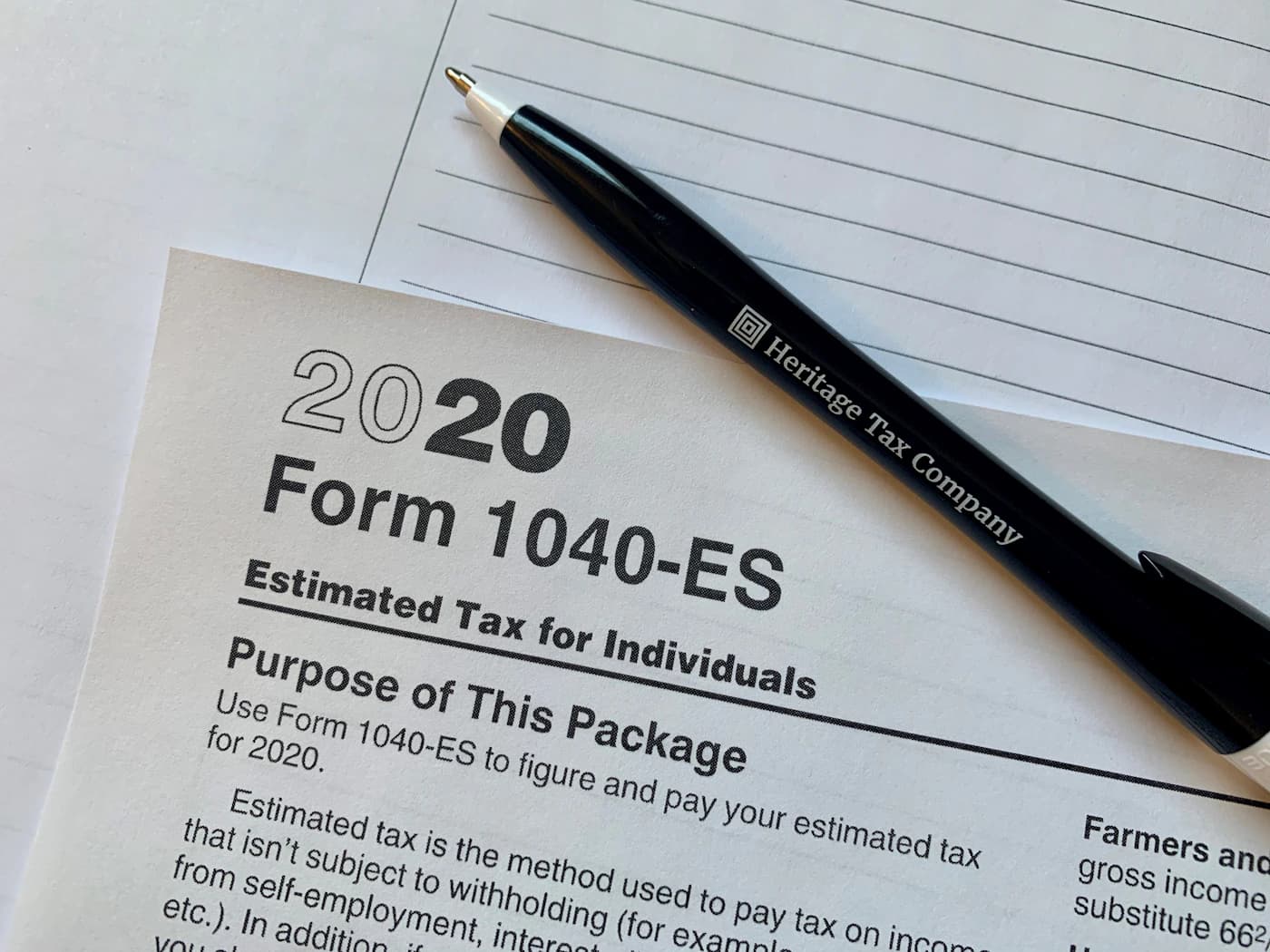
This paper examines the blurred line between taxes and fees, especially in states like California where changing a tax often requires a two‑thirds legislative vote while fees can pass with a simple majority. It reviews related case law, including the California Supreme Court's treatment of Sinclair Paint, and discusses how those distinctions affect LLC charges. Taxes versus fees: Lead paint and LLCs, 2007
3. Franchise Tax Rates, Minimum Fees, and Payment Rules
California’s rates and fee rules depend on entity type, with the $800 minimum serving as a common floor for many small or new businesses. Corporations generally pay a percentage-based franchise tax, S‑corporations face an alternative entity-level tax with pass-through reporting, and LLCs pay the $800 minimum plus a graduated fee based on California-source gross receipts. Correct calculations depend on your entity classification, fiscal year, and which receipts are California-source. The table below compares typical obligations across common entity types with illustrative 2025 examples.
Different entity types face distinct California tax obligations ; this table summarizes how each is calculated and gives sample outcomes.
The $800 Minimum Franchise Tax, How It Works
The $800 minimum is a fixed annual charge many entities must pay to remain in good standing in California, even if they report no taxable income. Temporary first‑year waivers have existed in the past, but their application has varied by year, see the sections below for the current 2025 status. For small or loss‑making entities, the $800 floor creates a predictable annual cash obligation and can affect timing and entity selection decisions. For example, a C‑Corp that would otherwise owe $500 under the percentage rate still owes the $800 minimum.
How Franchise Tax Rates Are Calculated for Corporations and LLCs
Corporate franchise tax is normally a percentage of taxable income subject to the statutory rate, with the payable amount compared against the $800 minimum. S‑corporations and other pass-throughs follow different calculations and reporting rules. LLCs use a bracketed schedule tied to California-source gross receipts, so the annual cost equals the $800 minimum plus any bracket fee if receipts exceed thresholds. Whether revenue is California-source or apportioned across states matters for accurate LLC fee computation. For more information, refer to what is the franchise tax .
4. First‑Year Exemptions and Special Rules for New California Businesses
Exemptions that temporarily waived the first‑year $800 minimum have come and gone. As of 2025, most broad first‑year exclusions have expired and new entities should assume the $800 minimum applies unless current law says otherwise. Formation timing, capitalization planning, and entity choice can influence early tax exposure. Reviewing current statutes and consulting advisors helps avoid surprises when you form a business in California.
The following table summarizes recent exemption status and practical impacts for new entities.
It reviews related case law, including the California Supreme Court's treatment of Sinclair Paint, and discusses how those distinctions affect LLC charges.
When timing formation or choosing an entity type, many entrepreneurs benefit from professional guidance that aligns formation dates, tax elections, and capitalization planning to limit early penalties and manage the $800 obligation. Advisors can run scenario comparisons, for instance, whether forming an LLC then electing S status or organizing as a C‑Corp better matches investor goals while controlling state tax exposure. This advice is especially helpful for foreign and Latino entrepreneurs unfamiliar with California rules or federal‑to‑state filing coordination.
Current Status of First‑Year Franchise Tax Exemptions for LLCs and Corporations
As of 2025, broad temporary first‑year exemptions that applied to entities formed during specific earlier windows have expired. The default rule now is that new LLCs and corporations formed today owe the $800 minimum in their first taxable year. Narrow, targeted relief programs may still exist for specific situations, but most new formations should plan for the minimum tax and confirm current law with official guidance or a tax professional.
How New Businesses Can Plan Entity Selection to Optimize Franchise Tax Liability

Choose an entity by weighing tax floors, investor expectations, growth plans, and administrative cost. Startups seeking venture capital often form C‑Corps despite potential state tax costs because investors expect that structure. Small service businesses with modest revenues often prefer LLC pass-through taxation while accepting the $800 minimum. Timing formation (for example, late in a tax year) and selecting a fiscal year can affect first‑year liability and reporting periods. A tax advisor or formation service can run comparisons that balance legal, tax, and investor priorities for the most cost-effective structure.
5. How to File and Pay California Franchise Tax to the FTB
Filing and paying require the right forms, on-time submissions, and a chosen payment method. Corporations typically file Form 100, S‑corporations file Form 100S, and LLCs use Form 3522 or the appropriate LLC return to report the $800 minimum and any bracket fee. Deadlines usually align with federal dates for calendar-year filers; extensions may give more time to file but not to pay estimated tax. Payment options include the FTB online portal, electronic funds transfer for larger balances, or mail with a check and voucher. Selecting the right filing form and payment channel reduces penalty risk.
The table below lists common filing actions, the forms or tools used, typical deadlines, and practical notes to help you submit and pay on time.
Many businesses use professional filing support to verify calculations, choose payment methods, and reduce errors. Service providers can set up electronic payments, track due dates, and manage extension filings when appropriate.
Key Filing Deadlines and Extension Options
Deadlines usually mirror federal filing dates for calendar-year entities; fiscal-year filers follow their own due dates. Extensions often give extra time to file but do not extend the payment deadline, you should estimate and pay taxes by the original due date to avoid penalties and interest. Extension procedures differ by entity type, so check the correct forms. If you can’t pay in full, options include setting up a payment plan or requesting relief while disputing amounts through the appeals process to limit penalties.
Which Forms and Payment Methods the FTB Accepts
The FTB accepts entity-specific returns, Form 100 for corporations, Form 100S for S‑corporations, and Form 3522 for LLC minimum tax reporting, plus many electronic filing options. Online payments support single or scheduled electronic fund transfers, and larger taxpayers commonly use EFT to ensure timely posting. Foreign entities or filers who need ITIN/EIN help should secure correct federal identification before state filings; professional services can assist with EIN/ITIN issuance and reconciling federal/state accounts. Keep confirmation receipts and bank records to prove payment if issues arise.
Penalties and Interest for Late or Non‑Payment
Late filing and late payment lead to statutory penalties and interest that grow over time. The FTB typically charges a late‑filing penalty based on unpaid tax and computes interest on outstanding balances from the original due date. Continued nonpayment can prompt liens, levies, and other collection actions, and penalties may quickly exceed the initial tax. Taxpayers may qualify for penalty relief or installment agreements in certain circumstances, respond promptly to notices and consult a tax professional to limit exposure and protect appeal rights.

6. How Prodezk Supports Businesses with California Franchise Tax Compliance
Prodezk provides end‑to‑end services to help businesses form, register, and stay compliant in California. Our offerings include incorporation (LLC, C‑Corp, S‑Corp), corporate document management, tax preparation (income and sales taxes), annual reports and BOI filings, appeals support, an income tax calculator, and accounting services including payroll and ongoing consulting. We focus on timing formation to manage the $800 minimum, accurate form selection and filing, and bookkeeping that reduces audit risk. Prodezk positions itself as a single partner that simplifies compliance for businesses needing multilingual help and clear, personalized service.
How Prodezk Helps Foreign and Latino Entrepreneurs Navigate California Franchise Tax
Prodezk offers multilingual support in English, Spanish, and Portuguese and tailored workflows that guide foreign and Latino entrepreneurs through federal and state registrations, EIN/ITIN applications, and Secretary of State filings alongside FTB requirements. We combine incorporation, tax planning, and document management to remove friction from cross‑border tax issues, language gaps, and unfamiliar filing processes. Practical services include end‑to‑end formation, BOI and annual report assistance, and coordinated handoffs to our accounting team for payroll and tax remittance, letting founders focus on growth while we handle compliance.
Prodezk’s Tax Preparation, Accounting, and Incorporation Services for California Businesses
Our service menu covers formation (LLC, C‑Corp, S‑Corp), corporate document filing and management, tax preparation and filing (income and sales taxes), BOI and annual reports, assistance with appeals, and accounting services such as payroll and month‑to‑month bookkeeping. These services help prevent fines, reduce tax surprises through proper entity selection, and keep records audit‑ready. Prodezk emphasizes clear processes, transparent pricing, and personalized advice so entrepreneurs have one reliable partner for formation through ongoing compliance.
- Formation Assistance : We advise on entity selection and complete registration to align legal structure with tax strategy.
- Tax Filing & Preparation : Prodezk prepares federal and state returns, helps with forms, and manages payments to avoid penalties.
- Accounting & Payroll : Ongoing bookkeeping and payroll services keep records current and reduce audit risk.
These bundled services create continuity from formation through ongoing compliance so clients can concentrate on growing their business while administrative requirements are handled professionally.
Get a free consultation
7. Frequently Asked Questions
What happens if I don’t pay California franchise tax on time?
Missing a payment can lead to penalties and interest that grow over time. The FTB charges a late‑payment penalty based on unpaid tax and accrues interest from the original due date. If balances remain unpaid, the FTB may pursue collection actions like liens or levies. To avoid these outcomes, pay on time or contact the FTB about payment plans if you can’t pay in full.
Can I appeal an assessment from the FTB?
Yes. If you disagree with an FTB assessment, you can file an appeal through the agency’s review process. That typically means submitting a request for reconsideration with supporting documents. The FTB will review the evidence and may adjust the assessment. Respond promptly to notices and meet appeal deadlines to protect your rights.
How can businesses stay compliant with California franchise tax rules?
Maintain clear financial records, file returns on time, and pay taxes by their due dates. Understand obligations for your entity type, such as the $800 minimum for many LLCs, and make estimated payments if required. Working with a tax professional or a formation service can help with entity selection, tax planning, and staying current with filing requirements.
What should I do if I receive a notice from the FTB?
Read the notice carefully to identify required actions and deadlines. Gather documentation that supports your position and respond within the stated timeframe. If you disagree, start the appeals process or seek professional help to prepare a response. Prompt action reduces escalation and increases the chance of a favorable outcome.
Are there resources for new business owners on franchise tax?
Yes. The FTB offers online guides, FAQs, and instructional materials that explain filing, payments, and compliance steps. The agency also provides customer service channels for questions. New entrepreneurs should use these resources and consider professional advice for tailored planning.
Why use a professional service for tax compliance?
Professional services bring experience navigating complex tax rules, ensure accurate filings, and reduce the risk of costly mistakes. Advisors can recommend the best entity structure, prepare and file returns, and set up systems to meet deadlines. That reduces administrative burden and gives business owners confidence that compliance is handled correctly.

A firm or advisor? Refer clients and build alongside Prodezk.
Conclusion
California’s franchise tax rules affect formation, cash flow, and ongoing compliance, so understanding them matters. Use FTB resources, plan entity selection carefully, and consider professional support to avoid penalties and simplify filings. If you want hands‑on help, Prodezk offers formation, tax, and accounting services to keep your business compliant and focused on growth. Contact us to learn how we can support your next steps in California.
A firm or advisor? Refer clients and build alongside Prodezk.
Further reading

Commerce4 min read
What Are Master Points?
This article explains what master points are in the music industry, how they are negotiated and distributed, and their importance for artists and producers.

Commerce6 min read
How to Start an Import and Export Business in the United States
Learn the steps to start an import and export business in the U.S., including legal requirements, licenses, and customs regulations.

Commerce4 min read
Requirements to Export to the US
To export goods to the United States you generally need a US or registered foreign entity, an EIN, an importer of record and often a customs broker, plus the shipping documents and agency compliance for your product.