


The JournalTaxes
Tax Withholding for Non-Resident LLC Owners: Everything You Need to Know
By Andres Platts · June 5, 2025 · 4 min read · Updated June 10, 2026
Quick answer
In this blog, we explore key aspects of withholding taxes for non-resident LLC owners in the United States. You’ll learn about FDAP and ECI income, withholding tax rates, and how tax treaties can help minimize your liabilities. We also cover key deadlines, required documentation, and practical tips to ensure your LLC stays tax compliant.



1. Introduction
As a non-resident LLC owner, your U.S. withholding depends on the income type: passive FDAP income (interest, dividends, rent) faces a 30% withholding tax unless a tax treaty lowers it, while effectively connected income (ECI) is taxed at non-resident rates. The United States offers great opportunities for foreign entrepreneurs looking to form an LLC, but staying compliant means understanding these withholding rules and obligations.
In this blog, we break down everything you need to know about U.S. withholding taxes for non-resident LLC owners.
2. Why Are Non-Residents Subject to U.S. Withholding Taxes?
The U.S. government applies withholding taxes to non-residents to ensure they fulfill their tax obligations. As a foreign LLC owner, these withholdings depend on the type of income you generate, such as income from business activities or passive income (e.g., rental properties or dividends).
Key Concepts You Should Know:
- FDAP Income (Fixed, Determinable, Annual, or Periodical): Passive income such as interest, dividends, and rental income .
- ECI (Effectively Connected Income): Income generated from active business operations in the U.S.
- Form W-8BEN : A key document to certify your non-resident status and avoid incorrect withholding rates .

3. Tax Withholding Obligations for Non-Resident LLC Owners
1. Withholding on ECI (Effectively Connected Income)
If your LLC generates income from active business activities in the U.S., you must pay taxes on this income . These taxes are generally calculated based on non-resident tax rates, which may vary depending on the state where your LLC operates.
2. Withholding on FDAP (Passive Income)
Passive income (such as rental income) is subject to a 30% withholding tax, unless a tax treaty between your country and the U.S. provides a lower rate.
3. Importance of Form 1042-S
Your LLC must issue Form 1042-S to report payments made to non-residents and the withholding taxes applied. This ensures transparency and compliance.
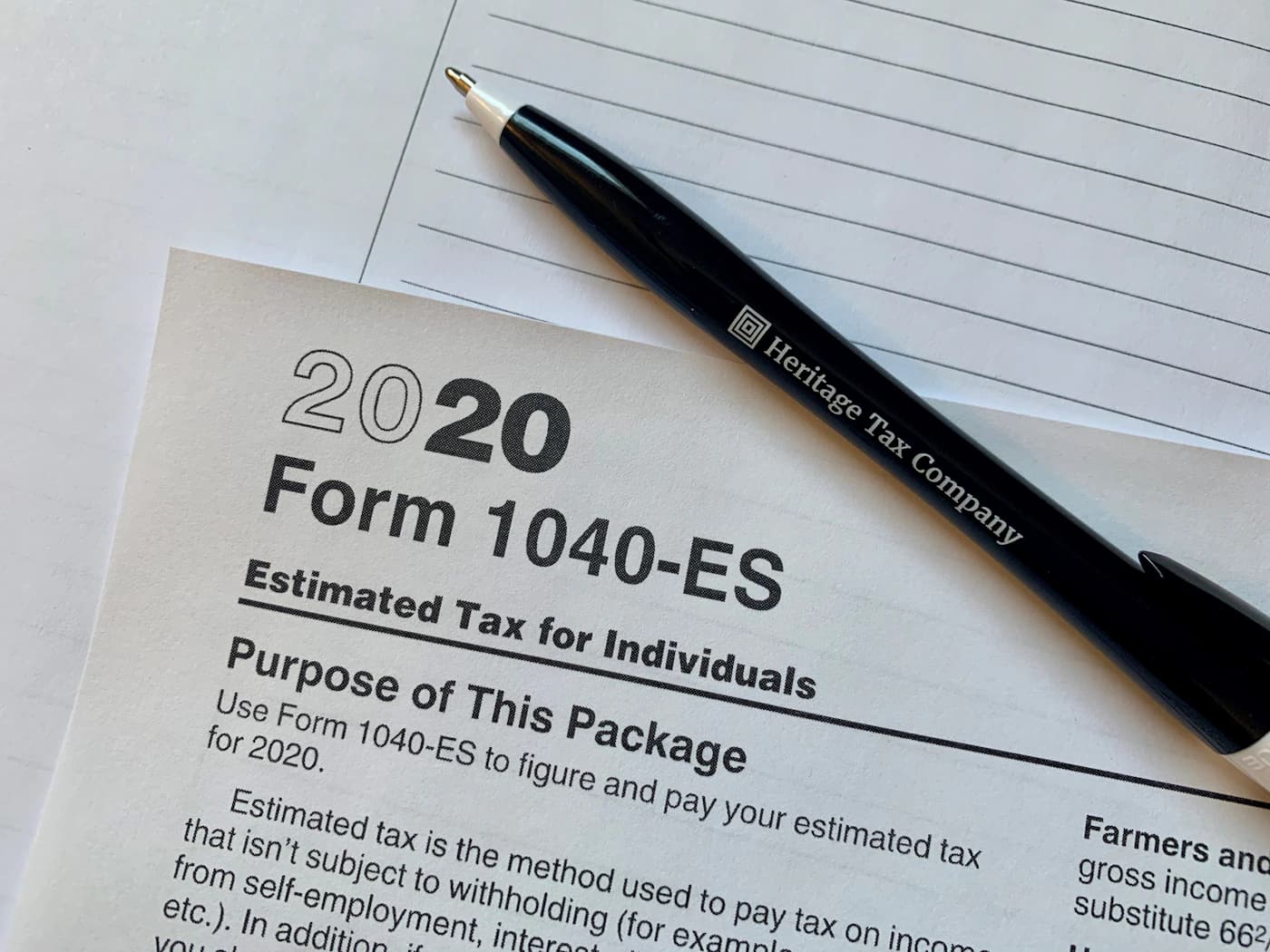
Passive income (such as rental income) is subject to a 30% withholding tax, unless a tax treaty between your country and the U.S.

4. Key Deadlines and Required Documentation
Staying compliant means meeting deadlines and submitting the correct documentation.
Important Tax Deadlines for Non-Resident LLC Owners:
📌 March 15: Deadline to file Form 1065 (for multi-member LLCs ) to report the LLC’s income. 📌 June 15: Filing deadline for Form 1040-NR (Non-Resident Tax Return).
Key Documents for Non-Resident LLC Owners:
- W-8BEN: Certifies your non-resident status and allows you to claim tax treaty benefits.
- 1042-S: Reports payments and withholdings made to non-residents.
- ITIN (Individual Taxpayer Identification Number) : Required to file taxes in the U.S. if you do not have a Social Security Number (SSN).
5. How Tax Treaties Can Reduce Withholding Taxes
The U.S. has tax treaties with multiple countries, which can reduce or eliminate withholding tax rates on certain types of income.
Example:
📌 If your country has a tax treaty that reduces the withholding tax on passive income from 30% to 10%, you must submit Form W-8BEN to claim this benefit.
📌 Tip: Always check if your country has a U.S. tax treaty to avoid overpaying taxes.

6. Practical Tips for Non-Resident LLC Owners
✅ Consult a U.S. Tax Expert : U.S. tax laws are complex and vary by state. ✅ Keep Clear Records: Maintain documentation of all transactions and tax withholdings . ✅ Review Tax Treaties: Check if your country has a tax treaty with the U.S. to lower tax liabilities.
📌 Pro Tip: Many non-resident LLC owners use tax advisors to ensure compliance and maximize tax savings .

7. Conclusion
Owning an LLC in the U.S. as a non-resident means understanding and complying with withholding tax obligations . From determining whether your income is FDAP or ECI to filing the correct tax forms, every step is crucial to avoiding legal and financial issues .
At Prodezk, we provide detailed guides and expert resources to help you manage your LLC’s tax obligations smoothly .
📌 Check out these related articles:
- How Are Multi-Member LLCs Taxed in the U.S.?
- When Should You File Your Income Tax in the U.S. in 2025?
- LLC Taxes in Wyoming: What You Should Know
- What Taxes Does an LLC Pay in Florida?
📩 Need help with your LLC’s taxes? Contact us for a consultation !


A firm or advisor? Refer clients and build alongside Prodezk.
Further reading

Taxes8 min read
What Is a Tax Identification Number (TIN)?, TIN vs SSN Explained
Understand the differences between a Tax Identification Number (TIN) and SSN. Which one do you need for your business in the U.S.? Discover real examples and common mistakes.

Taxes3 min read
2025 Tax Season: Key Changes and How to Prepare
As tax season in the U.S. approaches, we offer a complete guide on changes to the tax brackets for 2025. Discover updated rates, deductions, benefits, and strategies to make the most of the fiscal adjustments, ensuring an optimized tax return for the upcoming year.

Taxes17 min read
Why Doesn’t the United States Have a VAT? Key Differences Between VAT and US Sales Tax
Explore VAT in the United States: Why there's no federal system, how sales tax works across states, and implications for international businesses in 2026. Learn compliance tips, refunds, and cost-saving strategies from experts. Get started with Prodezk today!