


The JournalCommerce
Use Tax: What It Is, How It Works, and Its Implications
By Andres Platts · June 5, 2025 · 4 min read
Quick answer
In this blog, you’ll discover what use tax is, how it works, and how it differs from sales tax. We’ll explain which types of goods and transactions are subject to this tax, which states enforce it, and how to stay compliant with tax regulations. If you operate across state lines or in e-commerce, this guide will help you avoid penalties and efficiently manage your tax obligations.


Use tax is an essential concept that every business owner or entrepreneur should understand, especially in the context of tax obligations in the United States.
Although often confused with sales tax, use tax has distinct characteristics that set it apart.
In this blog, we explain what use tax is, how it works, and when it applies, helping you stay compliant and avoid potential tax penalties.

1. What Is Use Tax?
Use tax is a tax applied to the use, consumption, or storage of tangible goods when sales tax was not paid at the time of purchase . This tax is the responsibility of the final consumer and ensures that states receive the appropriate tax revenue.
Difference Between Use Tax and Sales Tax:
- Sales Tax : A tax collected by the seller at the time of sale.
- Use Tax: Applied when sales tax was not collected, typically on out-of-state purchases, e-commerce transactions, or when a product is used rather than resold.
📌 Key Takeaway: If you buy goods from an out-of-state vendor that does not charge sales tax, you may still be required to pay use tax in the state where you use the product.

2. How Does Use Tax Work?
Use tax is triggered when you purchase goods for personal or business use and:
✔️ Did not pay sales tax, e.g., buying equipment online from an out-of-state vendor that did not charge sales tax. ✔️ Use the goods in a different state than the purchase location, Some states require paying use tax when bringing goods into the state.
Example:
If you buy machinery in a state that does not charge sales tax and transport it to a state that requires it, you must pay the applicable use tax .
If you buy machinery in a state that does not charge sales tax and transport it to a state that requires it, you must pay the applicable use tax .
3. States That Enforce Use Tax
Most U.S. states apply use tax. Some states with specific regulations include:
- California: Managed by the California Department of Tax and Fee Administration (CDTFA) .
- Texas: Regulated by the Texas Comptroller of Public Accounts .
- New York: Overseen by the New York State Department of Taxation and Finance .
- Georgia: Has specific guidelines on taxable goods.
📌 Tip: Always review your state’s local tax regulations to ensure compliance.

4. Who Needs to Pay Use Tax?
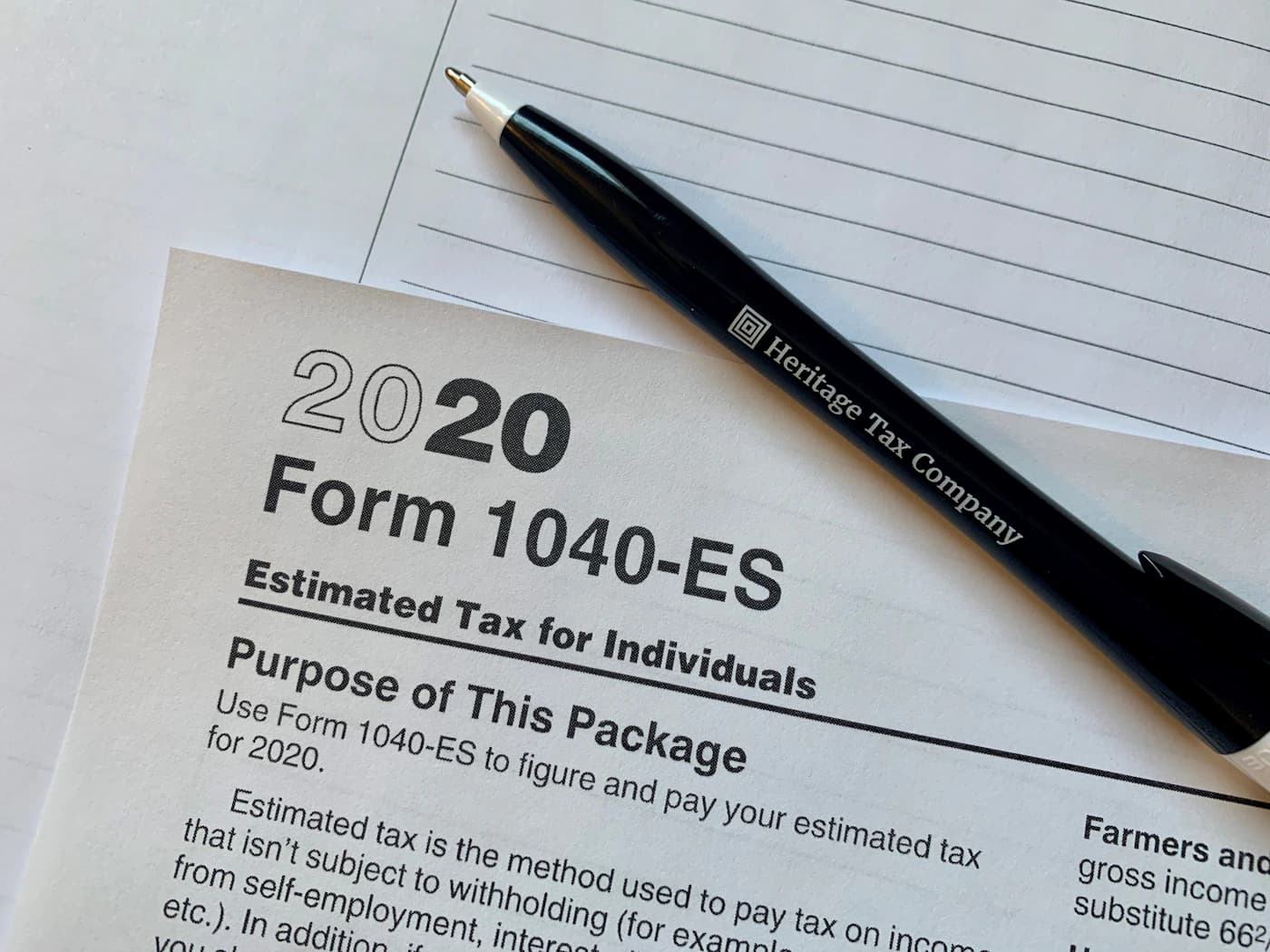
Use tax applies to both individual consumers and businesses .
Common Use Tax Scenarios:
✔️ Businesses: Purchasing inventory or equipment without paying sales tax and using it for operations instead of reselling it. ✔️ Consumers: Buying taxable goods from out-of-state vendors or online retailers that do not collect sales tax.
5. Tips to Stay Compliant with Use Tax
✅ Track All Purchases: Maintain clear records of out-of-state acquisitions. ✅ Check Local Tax Rates: Use tax rates vary by state, so verify what applies to your location. ✅ Use Tax Compliance Tools: Implement tax software like Avalara, TaxJar, or Vertex to automate calculations and reporting. ✅ Consult a Tax Advisor: A tax professional can help you navigate compliance and avoid penalties.
E-Commerce and Use Tax
With the rise of e-commerce, use tax has become increasingly relevant . Many online marketplaces do not collect sales tax in states where they lack a physical presence, shifting the responsibility to the buyer (individual or business).

6. Conclusion
Use tax is a crucial component of tax compliance in the U.S., especially for businesses operating across multiple states or selling through e-commerce. Understanding how it works, when it applies, and how to calculate it will help you stay compliant and avoid penalties .
At Prodezk, we offer resources and expert guidance to help you manage your business’s tax obligations efficiently.
📌 Check out these related articles:
- When Should You File Your Income Tax in the U.S. in 2025?
- Key Dates for Filing Sales Tax in the U.S. in 2025
- Business Taxes in Texas: Complete Guide
- What Taxes Do Businesses Pay in California?
- Business Taxes in New York: Everything You Need to Know


A firm or advisor? Refer clients and build alongside Prodezk.
Further reading

Commerce4 min read
What Are Master Points?
This article explains what master points are in the music industry, how they are negotiated and distributed, and their importance for artists and producers.

Commerce6 min read
How to Start an Import and Export Business in the United States
Learn the steps to start an import and export business in the U.S., including legal requirements, licenses, and customs regulations.

Commerce4 min read
Requirements to Export to the US
To export goods to the United States you generally need a US or registered foreign entity, an EIN, an importer of record and often a customs broker, plus the shipping documents and agency compliance for your product.