


The JournalCommerce
What Taxes Does a Business in Texas Pay?
By Andres Platts · June 5, 2025 · 5 min read
Quick answer
If you have a business in Texas and are unsure about the taxes you need to pay, this guide explains everything, including how we can help you calculate the Franchise and Sales Tax to optimize your business profits.


Texas is one of the most attractive states for entrepreneurs in the United States due to its favorable tax environment and the absence of a state personal income tax. However, businesses operating in Texas must still meet various tax obligations, including the Franchise Tax and Sales Tax .
This blog outlines the taxes that affect businesses in Texas, how they work, and what you need to know to stay compliant in one of the country's most dynamic economic states.


1. The Main Taxes for Businesses in Texas
While Texas is known for being business-friendly, companies must still pay taxes to operate legally. The most significant taxes are the Franchise Tax and the Sales Tax .
1.1 Franchise Tax
The Franchise Tax is the primary state tax for businesses in Texas . Unlike other states that impose a corporate income tax, Texas charges this tax on a company’s gross margins.
What is the Franchise Tax?
The Franchise Tax is based on a company’s total revenue and calculated on gross margins, allowing for the deduction of certain expenses such as the cost of goods sold or wages.
All LLC and corporations operating in Texas must pay this tax, although small businesses with revenues below certain thresholds are exempt.
How Much is the Franchise Tax?
The tax rate depends on the company’s size and revenue:
- Businesses with gross revenue under $1.23 million : Exempt from the Franchise Tax.
- Businesses with gross revenue between $1.23 million and $20 million : Pay a rate of 0.375% on gross margins.
- Businesses with gross revenue over $20 million : Pay a rate of 0.75% .
How to Calculate the Franchise Tax?
Companies can calculate their gross margins using one of three methods:
- Total revenue minus the cost of goods sold (COGS).
- Total revenue minus employee compensation (up to a limit).
- Total revenue minus 30%.
This flexibility allows businesses to optimize their tax burden based on their cost structure.

1.2 Sales Tax
The Sales Tax applies to the sale of goods and services within the state.
All LLC and corporations operating in Texas must pay this tax, although small businesses with revenues below certain thresholds are exempt.
What is the Sales Tax?
Businesses must collect this tax from end consumers when selling taxable goods or services. The base rate in Texas is 6.25%, but counties and cities can add up to 2% more, increasing the total rate to 8.25% in some areas.
Which Goods and Services Are Taxed?
Most goods and some services are subject to the Sales Tax, including physical products like clothing, restaurant meals, and electronics. Professional services may also be taxed, depending on their nature.
Sales Tax Registration Obligation
Businesses selling taxable goods or services must register with the state to obtain a Sales Tax permit. They must then collect and remit the tax to the state periodically.
Find out how much tax a company pays in Texas here .

2. Other Relevant Taxes for Businesses in Texas
In addition to the Franchise Tax and Sales Tax, businesses in Texas may be subject to other specific taxes depending on the type of business or the sector in which they operate.
2.1 Employment Tax
Businesses with employees in Texas must comply with employment-related taxes, including:
- Federal Unemployment Tax (FUTA): Funds unemployment benefits programs.
- State Unemployment Tax (SUTA): Texas imposes its own unemployment tax, varying by employer and employment history.
While Texas has no personal income tax, companies must withhold Federal Income Tax from employees' wages.

3. Tax Exemptions and Benefits for Businesses in Texas
3.1 Franchise Tax Exemption for Small Businesses
Businesses with gross revenue under $1.23 million are exempt from the Franchise Tax but must still file the necessary paperwork with the state to remain compliant.
3.2 Sales Tax Exemptions
Certain goods and services are exempt, including:
- Manufactured goods for export.
- Agricultural equipment.
- Medical equipment and prescription medications.
3.3 Tax Incentive Zones
Texas offers incentives in underdeveloped areas, including tax credits, grants, and local tax exemptions, to promote job creation and economic development.

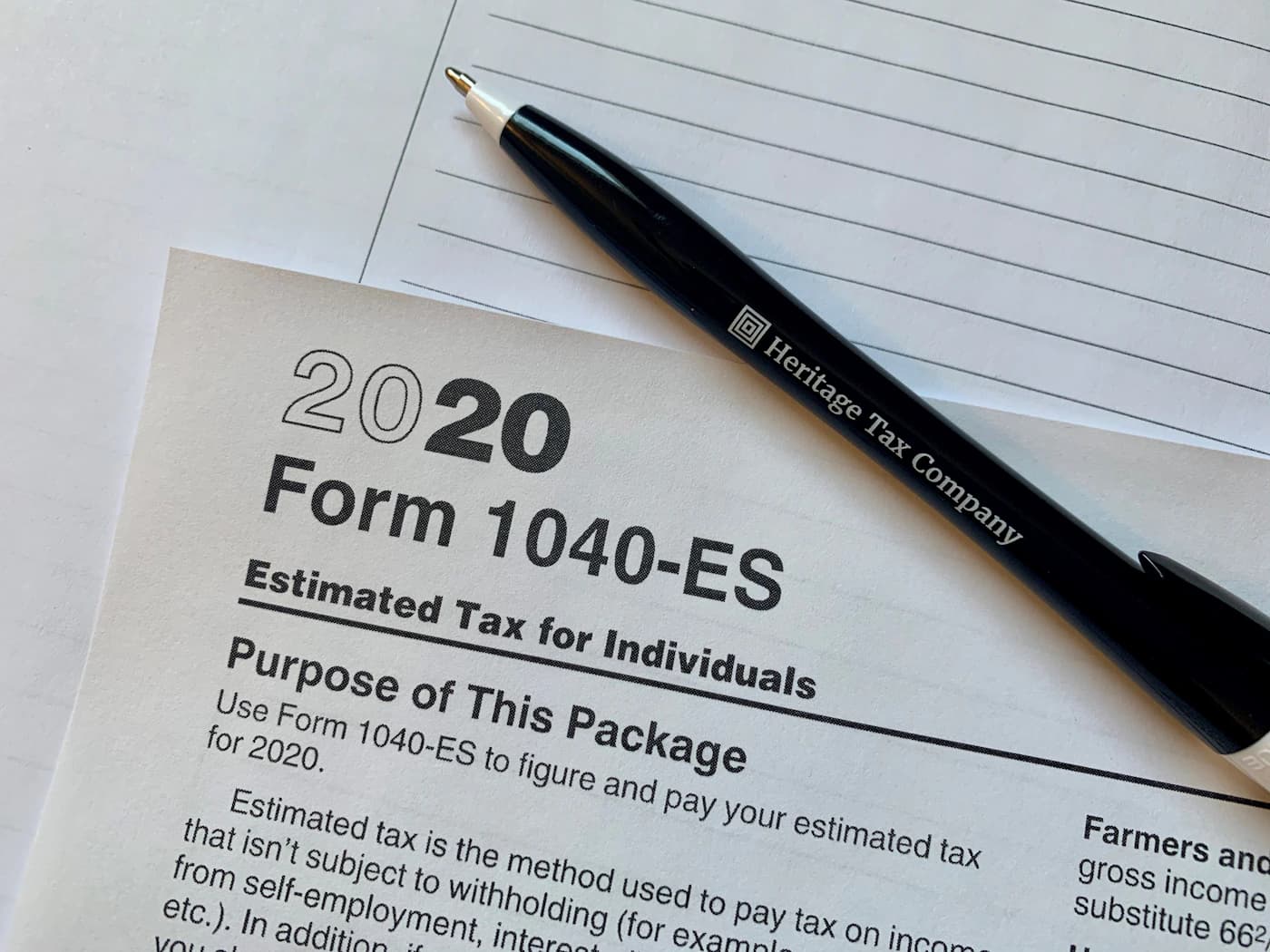
4. How Can We Help You Manage Taxes in Texas?
- Personalized Advice : We help you understand the taxes applicable to your business, how to calculate them, and when to pay.
- Sales Tax Managemen t: From registration to accurate and timely filing, we handle everything.
- Tax Optimization: We identify potential exemptions and benefits to reduce your tax burden.
- Payroll and Employment Tax Management : We ensure correct withholding and filing of employment-related taxes like FUTA and SUTA.
Conclusion
Understanding taxes in Texas is essential for businesses to operate efficiently and profitably. While Texas has no state income tax, the Franchise Tax and Sales Tax are critical components of its tax system. Staying compliant is crucial to avoid penalties and ensure your business’s success.
Need help managing your taxes in Texas?
Contact us for personalized and comprehensive tax advice to ensure your business remains compliant without hassle.


A firm or advisor? Refer clients and build alongside Prodezk.
Further reading

Commerce4 min read
What Are Master Points?
This article explains what master points are in the music industry, how they are negotiated and distributed, and their importance for artists and producers.

Commerce6 min read
How to Start an Import and Export Business in the United States
Learn the steps to start an import and export business in the U.S., including legal requirements, licenses, and customs regulations.

Commerce4 min read
Requirements to Export to the US
To export goods to the United States you generally need a US or registered foreign entity, an EIN, an importer of record and often a customs broker, plus the shipping documents and agency compliance for your product.