


The JournalTaxes
are income tax refunds taxable
By Andres Platts · March 11, 2026 · 7 min read
Quick answer
Are income tax refunds taxable? Our expert guide explains when and why refunds may be taxed, including the tax benefit rule and how it impacts your filing. Get the clarity you need.


Are Income Tax Refunds Taxable? A Practical Guide for International Entrepreneurs

If you run a business from outside the U.S. or serve clients here, knowing how tax refunds are treated can save you headaches, and money. This guide explains when federal and state income tax refunds are taxable, how the tax benefit rule works, and the role of Form 1099‑G. We’ll also cover practical steps international entrepreneurs can take to report refunds correctly and reduce the chance of overpaying taxes.
Are Federal Income Tax Refunds Taxable?

In most cases, federal income tax refunds are not taxable. The logic is simple: a refund is just money you overpaid to the government, not new income. The IRS generally treats federal refunds as returns of those prior payments. That said, a few exceptions can change the result depending on how you handled deductions the year before.
Why Are Federal Tax Refunds Generally Not Taxable?
Because a federal refund returns money you already paid, it usually isn’t treated as income. When you overpay during the year and later file a return, the refund corrects that overpayment, it doesn’t increase your earnings for the year. This keeps the tax system consistent: you aren’t taxed twice on the same dollars. Still, keep good records in case a prior deduction affected your taxable income.
When Is a State Income Tax Refund Taxable?

State refunds can be taxable in specific situations, most commonly when you itemized deductions the year you paid the state tax. Whether a state refund becomes taxable depends on whether that earlier deduction actually lowered your federal tax bill.
How Do Itemized Deductions Affect State Refund Taxability?
If you itemized last year and deducted state income taxes, then later received a state refund, the IRS may require you to report some or all of that refund as income. The key question is: did that deduction reduce your federal tax? If yes, the refund may undo part of that benefit and become taxable to the extent it lowered your tax. If you took the standard deduction, the refund typically won’t be taxable.
Tax professionals often point out this direct link between itemized deductions and the taxability of state refunds.
Federal & State Income Tax Returns: Itemized Deductions
When a taxpayer’s state tax deduction produced a federal tax benefit, later state refunds may need to be included in income to the extent of that benefit.
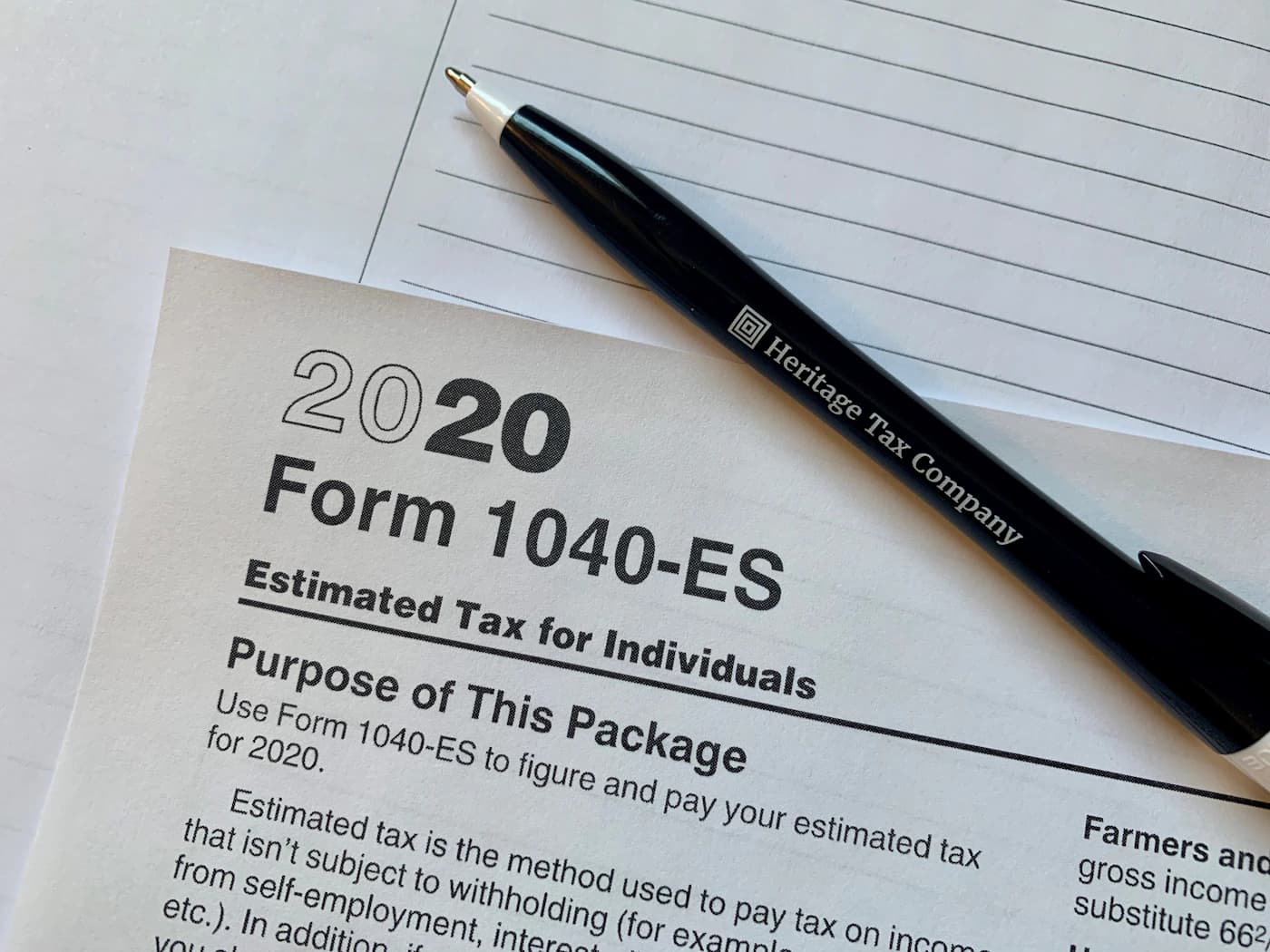
What Is the Tax Benefit Rule and How Does It Apply to State Refunds?
The tax benefit rule says you must report as income any recovered amount that previously gave you a tax benefit. In plain terms: if a past deduction lowered your tax, and you later get money back related to that deduction, that refund can be taxable.
Can You Provide Examples of the Tax Benefit Rule in Practice?
Example: you deducted $1,000 in state taxes last year and it reduced your federal tax. If you later get a $200 state refund, you may need to report that $200 as taxable income to the extent the $1,000 deduction previously lowered your federal tax bill. If instead you used the standard deduction and received no federal tax benefit from state taxes, the refund is not taxable. This rule keeps the taxable benefit consistent year to year.
Get a free consultation
How Does Form 1099-G Relate to State Tax Refunds?
Form 1099‑G is the document states send to report refunds and certain payments. If you receive a state refund, the issuing agency typically sends a 1099‑G showing the refund amount and any state tax withheld, use it to prepare your federal return accurately.
What Information Does Form 1099-G Include for Taxpayers?
A 1099‑G lists the total state refund you received, any taxes withheld, and the payment type. Compare the numbers on the form to what you report on your federal return; discrepancies can trigger IRS questions. Keep the 1099‑G with your tax records so you can show how the refund affects your current year income.
When a taxpayer’s state tax deduction produced a federal tax benefit, later state refunds may need to be included in income to the extent of that benefit.
Official IRS guidance explains how information returns like Form 1099‑G support accurate reporting of taxable amounts.
Form 1099-G and State Tax Refund Reporting
State agencies report refunds and withholdings on Form 1099‑G so taxpayers and the IRS can reconcile amounts reported on returns.

How Should International Entrepreneurs Report Tax Refunds on Their US Returns?
International entrepreneurs must follow U.S. reporting rules when refunds are taxable. That means including taxable refunds on the correct U.S. forms and meeting filing deadlines to avoid penalties.
What Are Reporting Requirements for Foreign-Owned Businesses?
If a foreign-owned business has U.S. tax filing obligations and a refund is taxable, it must be reported on the applicable U.S. return. Filing the right forms and meeting due dates prevents penalties and interest, always check which forms apply to your entity type and tax situation.
How Does ITIN Status Affect Tax Refund Reporting?
If you file using an ITIN, accurate reporting matters for processing and compliance. Mistakes can delay refunds or prompt additional IRS review. Keep your ITIN information current and attach any required documentation so the IRS can match refund data correctly.
How Can Prodezk’s Tax Services Help Minimize Overpayments and Manage Refund Taxability?
Prodezk helps international entrepreneurs understand these rules and apply them to real situations. We focus on minimizing overpayments, identifying when refunds are taxable, and keeping your filings clean and defensible.
What Tax Planning Strategies Reduce Refund Taxability Risks?
Practical steps include tracking payments and deductions carefully, evaluating whether to itemize, and documenting how state taxes affected your federal return. These habits reduce surprises and limit the risk that a refund becomes an unexpected tax bill.
How Does Prodezk Support International Entrepreneurs with US Tax Compliance?
We offer tailored advice on U.S. filings, handle refund reporting, and guide compliance for foreign owners. Our goal is to simplify filing, reduce exposure to penalties, and help you make tax-smart choices as your business grows in the U.S. market.
Knowing when refunds are taxable protects your cash flow and keeps your filings correct. With Prodezk’s expertise, international entrepreneurs can confidently navigate U.S. tax rules and optimize outcomes.
Increase your profits and optimize your taxation in the United States.
Frequently Asked Questions
1. What should I do if I receive a state tax refund but did not itemize deductions?
If you took the standard deduction last year, a state tax refund is generally not taxable. Keep copies of last year’s return and the refund documents so you can show you didn’t receive a federal tax benefit from state taxes.
2. How can I determine if my state tax refund is taxable?
Check whether you itemized last year and whether the state tax deduction reduced your federal tax. If it did, some or all of the refund may be taxable. When in doubt, compare last year’s deductions or consult a tax professional for a quick determination.
3. Are there any penalties for incorrectly reporting a tax refund?
Yes. Underreporting taxable refunds can lead to penalties, interest, and additional taxes. If you’re unsure, get help to avoid errors, correcting mistakes early reduces extra costs.
4. How does the taxability of refunds differ for residents and non-residents?
Rules can differ by residency status and the type of income involved. Residents generally follow standard U.S. rules; non‑residents may have special filing requirements. Review IRS guidance for your residency classification or seek professional advice.
5. What records should I keep regarding my tax refunds?
Keep copies of your tax returns, Form 1099‑G, proof of state payments, and documentation supporting any deductions you claimed. Good records make it easier to report refunds correctly and to respond to any inquiries.
6. Can I amend my tax return if I realize I misreported a refund?
Yes. File Form 1040‑X to amend a U.S. individual income tax return and correct any errors. Fixing mistakes promptly can limit penalties and interest, gather supporting documents before submitting the amendment.
7. How can I stay updated on changes to tax laws affecting refunds?
Monitor the IRS website, subscribe to reliable tax newsletters, and work with advisors who track rule changes for international taxpayers. Regular check‑ins help you stay current and keep filings accurate.

A firm or advisor? Refer clients and build alongside Prodezk.
Conclusion
Tax refunds are straightforward in many cases, but when deductions and cross‑border issues enter the picture, the rules get more complex. International entrepreneurs benefit from clear procedures, careful recordkeeping, and expert support. If you want tailored help managing refund taxability or improving your U.S. tax position, Prodezk can guide you through the next steps.
A firm or advisor? Refer clients and build alongside Prodezk.
Further reading

Taxes8 min read
What Is a Tax Identification Number (TIN)?, TIN vs SSN Explained
Understand the differences between a Tax Identification Number (TIN) and SSN. Which one do you need for your business in the U.S.? Discover real examples and common mistakes.

Taxes3 min read
2025 Tax Season: Key Changes and How to Prepare
As tax season in the U.S. approaches, we offer a complete guide on changes to the tax brackets for 2025. Discover updated rates, deductions, benefits, and strategies to make the most of the fiscal adjustments, ensuring an optimized tax return for the upcoming year.

Taxes17 min read
Why Doesn’t the United States Have a VAT? Key Differences Between VAT and US Sales Tax
Explore VAT in the United States: Why there's no federal system, how sales tax works across states, and implications for international businesses in 2026. Learn compliance tips, refunds, and cost-saving strategies from experts. Get started with Prodezk today!