


The JournalTaxes
How Do You Appeal an IRS Penalty Before You Pay It?
By Andres Platts · August 20, 2026 · 4 min read
Quick answer
Yes, you can appeal. The IRS gives you 30 days from the notice date to protest with the Independent Office of Appeals before it becomes fixed debt.
Yes, and in most cases you should. The IRS runs a formal, independent channel for disputing penalties, adjustments, and miscalculated tax, the Independent Office of Appeals, and you generally have 30 days from the notice date to use it. Let that window close, and a correctable discrepancy becomes collectible debt.
For a founder running a US company from abroad, this is not an administrative footnote. A penalty accepted without review sits in the company's tax record, the same record a bank later reads for credit, an investor reads in due diligence, and a consular officer reads on a visa file.

Does the IRS Actually Get It Wrong That Often?
More than most owners expect. The IRS processes hundreds of millions of returns through automated systems that cross-reference banks, employers, and payment platforms, and when something doesn't match, the system generates a notice on its own, often before a person has looked at the context. The most common patterns for foreign-owned companies: automatic failure-to-file penalties (up to 25% of tax owed, and a late or incomplete Form 5472 carries an automatic $25,000 penalty per form, per year, even with zero activity); CP2000-style notices proposing extra tax from a third-party income match that ignores your actual deductions or treaty position; the 20% accuracy-related penalty for alleged negligence; and substitute-for-return filings, where the IRS files on your behalf using the worst possible numbers if you didn't file at all. The first figure the IRS shows you is a proposal, not a verdict.
What Is the Independent Office of Appeals?
It's a division of the IRS kept separate from audit and collections, built specifically to resolve disputes without going to court. It reviews your case, weighs the facts and the litigation risk, and works toward a settlement, which is how most disagreements actually get resolved. You can represent yourself or be represented by an attorney, a CPA, or an enrolled agent. The appeal is written, triggered by a specific IRS letter (commonly the "30-day letter"), and the deadline is generally 30 days from that letter's date.
Which of the Three Routes Applies to Your Case?
Picking the wrong one burns time you don't get back.
It's a division of the IRS kept separate from audit and collections, built specifically to resolve disputes without going to court.
- 01Small Case Request, Form 12203, for disputes of $25,000 or less per tax period. It's sent to the address on the letter that granted the appeal right, not directly to Appeals, and it isn't available to partnerships, S corporations, employee plans, or exempt organizations.
- 02A formal written protest for larger amounts or complex structures. Per IRS Publication 5, it must list every disputed item, the tax periods, the proposed changes, your reasons, the supporting facts, and the law behind your position. A protest without documentation is an opinion; one with monthly financials, bank reconciliations, and contracts is a case.
- 03Penalty abatement, Form 843, when the tax is correct but the penalty shouldn't apply. The two arguments that work are reasonable cause (you exercised ordinary business care but something outside your control, serious illness, a natural disaster, even bad advice from the IRS itself, prevented compliance) and administrative relief. First Time Abatement historically waived penalties for taxpayers with three clean years, no justification needed beyond that record. A 2026 update is replacing it with automatic penalty relief starting with the 2025 tax year and 2026 quarterly periods, waiving failure-to-file, failure-to-pay, and failure-to-deposit penalties automatically for a clean three-year history, no request required. For international information returns and accuracy penalties, a traditional abatement request or reasonable-cause argument is still necessary.
A clean compliance history now has direct monetary value: three years of filing and paying on time builds an automatic shield against certain future penalties. Treat bookkeeping and compliance as an investment, not an expense.
What's the Costliest Mistake Founders Make Here?
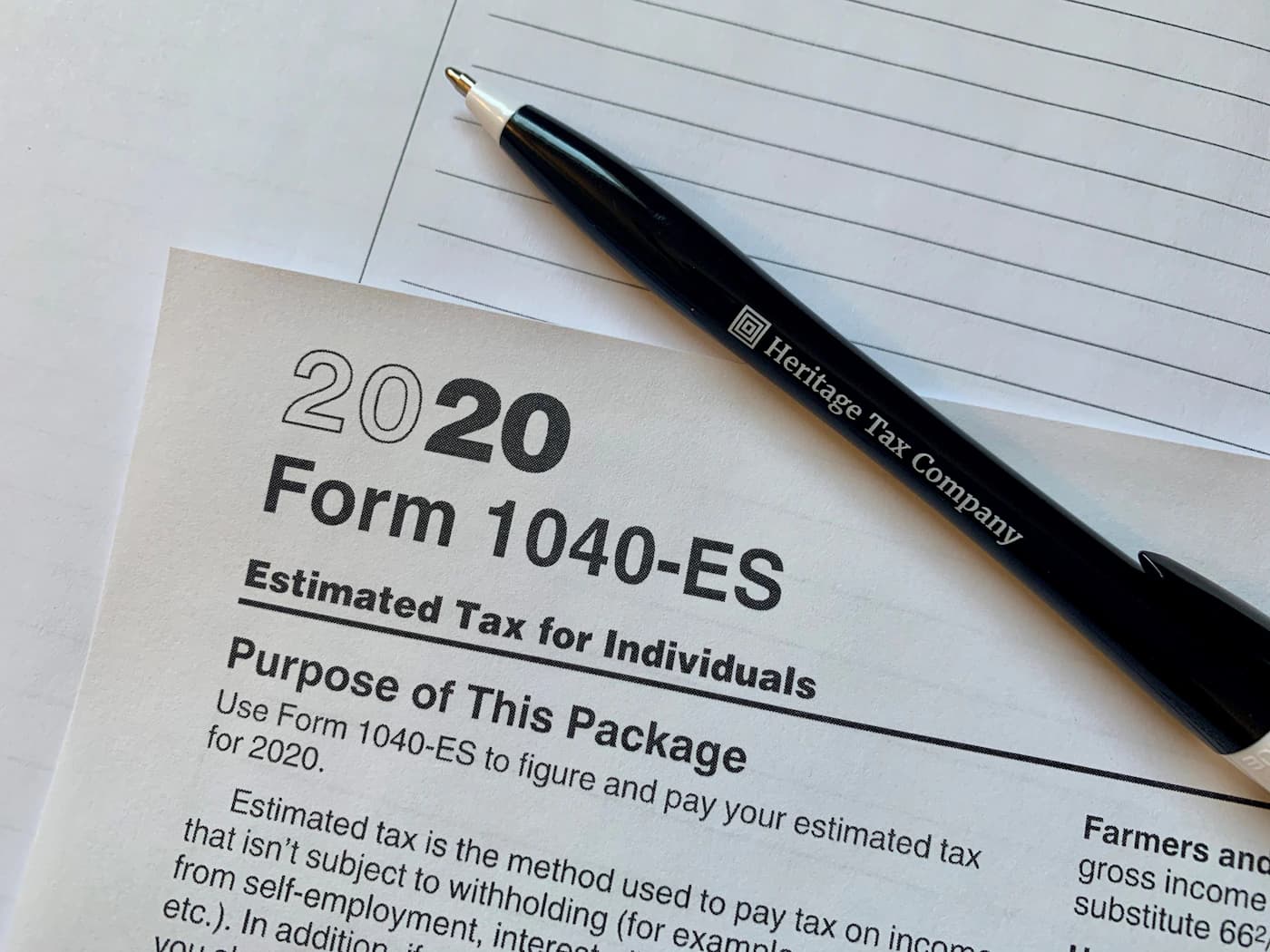
Two opposite instincts, and both destroy value. Paying immediately "to close it" validates an incorrect figure into your tax record, the same record a bank, an M&A buyer, or a consular officer will read later. Ignoring the letter because "I don't live in the US" is worse: the clock runs from the letter's date, not from when you read it. Once the appeal window lapses, the adjustment becomes firm debt, interest keeps accruing, and the IRS can escalate to levies and liens that freeze the company's banking. Later remedies still exist (a collection due process hearing, Form 12153), but every step up is slower, costlier, and leaves less room to negotiate. The 30-day window is where the case is actually won or lost, and for an owner operating from Bogotá, Mexico City, or Madrid with mail landing at a registered agent in Florida or Wyoming, that window can close before you know it opened.
What Does a Winning Appeal Actually Look Like?
It's built on evidence, not argument. Reconstruct the facts from documents, IRS transcripts (Form 4506-T), financial statements, bank reconciliations, contracts, not memory. Identify exactly what kind of adjustment it is, a data-match error, an automatic penalty, a disputable classification, since each has a different path and evidentiary standard. Argue from the rule, not the complaint (Appeals weighs the merits, not moral or political objections; "the penalty is unfair" isn't an argument, "reasonable cause existed under the ordinary-care standard" is). Meet the exact form, address, and 30-day deadline. And weigh the full board before disputing at all: sometimes the right move is a penalty abatement rather than an appeal, sometimes it's paying and claiming a refund, sometimes disputing one year opens questions about three others. That strategic read is what separates an advisor from someone who just fills out forms.
How Prodezk Handles This
We don't fill out forms, we defend positions. Our team reviews the notice, reconstructs your tax position, and determines whether grounds for appeal exist, with active monitoring of your IRS correspondence so a 30-day window never closes on you from another country. A successfully appealed $25,000 Form 5472 penalty doesn't just save $25,000, it preserves the credit line, the visa, and the valuation that depended on a clean record. Speak with an advisor before you pay or let the deadline pass.
In this series
Cross-Border Tax & Compliance
Start hereWhat a Foreign-Owned US Company Owes the IRS- Can a US State Tax My LLC If I Have Never Been There?
- Who Actually Has to File a Form 1040-NR?
- Does a US LLC Owe US Tax If Its Owner Lives Abroad?
- Do Non-Resident Owners of a US LLC Have to Make Quarterly Estimated Tax Payments?
- My US LLC Has More Than One Owner. What Do We File by September 15?
- What Is Form 5472 and the $25,000 Risk?

A firm or advisor? Refer clients and build alongside Prodezk.
Further reading

Taxes8 min read
What Is a Tax Identification Number (TIN)?, TIN vs SSN Explained
Understand the differences between a Tax Identification Number (TIN) and SSN. Which one do you need for your business in the U.S.? Discover real examples and common mistakes.

Taxes3 min read
2025 Tax Season: Key Changes and How to Prepare
As tax season in the U.S. approaches, we offer a complete guide on changes to the tax brackets for 2025. Discover updated rates, deductions, benefits, and strategies to make the most of the fiscal adjustments, ensuring an optimized tax return for the upcoming year.

Taxes17 min read
Why Doesn’t the United States Have a VAT? Key Differences Between VAT and US Sales Tax
Explore VAT in the United States: Why there's no federal system, how sales tax works across states, and implications for international businesses in 2026. Learn compliance tips, refunds, and cost-saving strategies from experts. Get started with Prodezk today!