


The JournalTaxes
Does a US LLC Owe US Tax If Its Owner Lives Abroad?
By Andres Platts · September 17, 2026 · 3 min read
Quick answer
Not automatically. The test is whether the company is engaged in a trade or business in the United States, and that turns on where the work is actually done, not on where the owner happens to live.
It is the first question most founders ask us, and it is usually asked in the hope of a simple yes or no. The honest answer is that residence is not the test at all. A founder in Bogotá, Madrid or Dubai who owns a Wyoming LLC is not taxed because of where they live, and is not exempt because of where they live either.
The IRS frames it around the activity rather than the person. Its guidance on effectively connected income is direct: "Generally, when a foreign person is engaged in a trade or business in the United States (USTB), all United States (U.S.) source income connected with the conduct of that trade or business is considered Effectively Connected Income (ECI)." The word doing the work in that sentence is engaged.

What Does the IRS Actually Test?
Whether the company is carrying on a trade or business inside the United States. The same guidance adds that "a foreign person generally must be engaged in a U.S. trade or business during the tax year to treat income received in that year as ECI, which is taxable in the U.S."
So the question is not about your passport or your address. It is about where the activity that produces the income takes place: where the work is performed, where people are engaged, where the operation physically sits.
Does Forming in Wyoming or Delaware Change the Answer?
No. The state of formation determines your filing obligations to that state and the law your operating agreement sits under. It does not determine whether the federal government treats your income as effectively connected. A Wyoming LLC run entirely from Lisbon and a Delaware LLC run entirely from Lisbon are in the same federal position.
It is about where the activity that produces the income takes place: where the work is performed, where people are engaged, where the operation physically sits.
This surprises people who chose a state on the strength of its reputation. The choice is a real one, with real consequences, but it is not the lever that answers this question.
What If the Work Is Done Entirely Outside the US?
Then the position is often, though not always, that there is no US trade or business and therefore no effectively connected income. The IRS offers the clearest counter-example itself: "If a foreign person owns and operates a business in the U.S. selling services, products, or merchandise, the foreign person is, with certain exceptions, engaged in a trade or business in the U.S."
Note the phrase with certain exceptions. This is a facts-and-circumstances area, not a rule you can apply from a summary. Dependent agents, US-based staff, inventory held in the United States and a physical place of business all pull in the direction of a US trade or business, and any one of them can change the answer.
What Still Has to Be Filed Even If Nothing Is Owed?
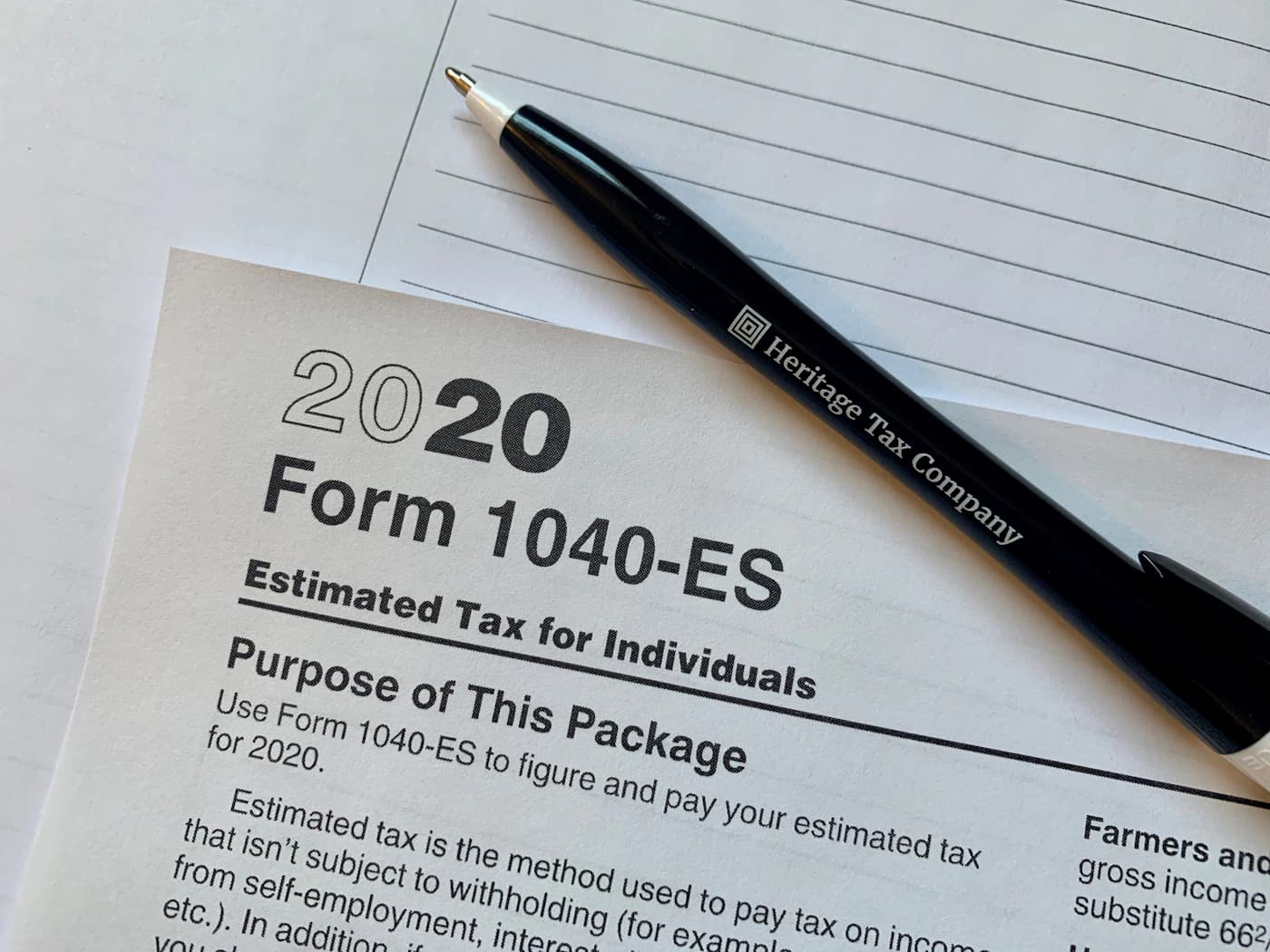
This is where the real exposure sits, because reporting and taxation are separate obligations. A foreign-owned single-member LLC has an information return to file whether or not it earned a dollar, and the penalty regime on Form 5472 is severe enough that it dwarfs most tax bills at this scale. Foreign financial accounts carry their own FBAR obligation on a separate track.
If you filed an extension this year, it is worth reading what actually falls due on October 15, because several of these run to the same date and an extension moved only one of them.
Where Does This Leave a Founder Planning Ahead?
With a question worth answering deliberately rather than assuming. Most non-resident owners we work with are not in a US trade or business, and are still obliged to file. A smaller number believe they are outside the system entirely, and have quietly built the exact facts that put them inside it.
The distinction is knowable in advance. It is considerably cheaper to establish it before a return is due than to argue it afterwards.
In this series
Cross-Border Tax & Compliance
Start hereWhat a Foreign-Owned US Company Owes the IRS- Do Non-Resident Owners of a US LLC Have to Make Quarterly Estimated Tax Payments?
- My US LLC Has More Than One Owner. What Do We File by September 15?
- What Is Form 5472 and the $25,000 Risk?
- Does a Foreign Owner of a US LLC Actually Pay US Taxes?
- Do I Have to File a BOI Report With FinCEN in 2026?
- EIN, ITIN, or SSN: Which One Do I Need for My US Business?


A firm or advisor? Refer clients and build alongside Prodezk.
Further reading

Taxes8 min read
What Is a Tax Identification Number (TIN)?, TIN vs SSN Explained
Understand the differences between a Tax Identification Number (TIN) and SSN. Which one do you need for your business in the U.S.? Discover real examples and common mistakes.

Taxes3 min read
2025 Tax Season: Key Changes and How to Prepare
As tax season in the U.S. approaches, we offer a complete guide on changes to the tax brackets for 2025. Discover updated rates, deductions, benefits, and strategies to make the most of the fiscal adjustments, ensuring an optimized tax return for the upcoming year.

Taxes17 min read
Why Doesn’t the United States Have a VAT? Key Differences Between VAT and US Sales Tax
Explore VAT in the United States: Why there's no federal system, how sales tax works across states, and implications for international businesses in 2026. Learn compliance tips, refunds, and cost-saving strategies from experts. Get started with Prodezk today!