


The JournalTaxes
What Is Actually Due on October 15 If You Filed an Extension?
By Andres Platts · September 10, 2026 · 2 min read
Quick answer
An extension moved your filing date to October 15. It never moved your payment date. Anything owed was due in April and has been accruing since.
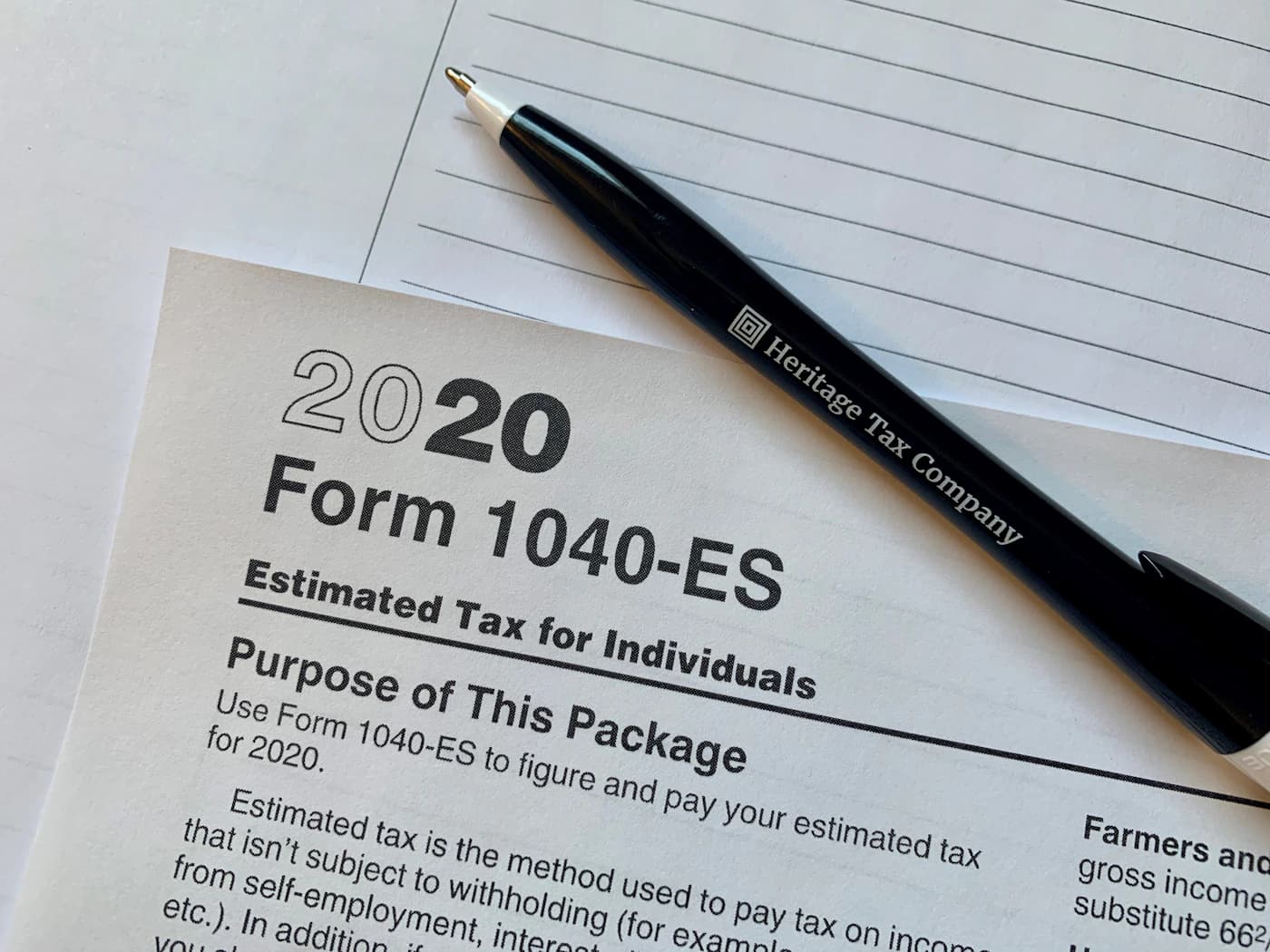
If you filed for an extension this year, the IRS is explicit about what you bought: "This gives you until October 15 to file without penalties." What it does not say, and what most people assume, is that the money moved too.
It did not. The same page is equally plain: "Make sure you pay any tax you owe by the April filing date. The extension is only for filing your return."

The Distinction That Costs People Money
An extension is a filing accommodation, not a payment plan. The obligation to pay crystallised in April. Every month since, interest has been running on the unpaid balance, and in most cases a failure-to-pay penalty alongside it.
This catches non-residents more often than it catches anyone else, and the reason is structural rather than careless. A founder in Bogotá or Madrid whose accountant is still assembling US paperwork reasonably concludes that nothing is due until the paperwork is. The extension appears to confirm it. The interest accrues quietly in the background and surfaces months later attached to a notice.
What Else Lands on the Same Date
For anyone with foreign financial accounts, the FBAR carries an automatic extension to the same October date. There is no form to file for it and no request to make. It simply moves, which means it is easy to forget that it moved at all. We have written separately on whether your company's foreign accounts require one.
Every month since, interest has been running on the unpaid balance, and in most cases a failure-to-pay penalty alongside it.
A foreign-owned single-member LLC has its own obligation on Form 5472, attached to a pro forma return, and the penalty regime there is unusually severe relative to the size of most such companies. That deadline follows the entity's own calendar rather than the individual one, which is precisely why the two get confused.
What a Sensible Position Looks Like Now
If a payment was made in April on a reasonable estimate, the exposure is limited to interest on whatever the estimate understated. That is usually a manageable number and it stops growing the moment the balance is settled.
If no payment was made because the return was not ready, the position is different, and the right instinct is to pay something against the estimated balance now rather than to wait for the return to be finished. Interest is charged on the outstanding balance, so reducing the balance reduces the accrual immediately, whether or not the paperwork is complete.
The Part Worth Planning Around
October is not a deadline in the sense that April was. It is the end of an accommodation that was always narrower than it looked. Treating it as a second April is the error, and it is an expensive one because the cost is invisible until the notice arrives.
For anyone carrying a US entity from abroad, the more useful exercise is not to mark the date but to ask which of your obligations run on the individual calendar and which run on the company's. Those two calendars diverge, and the assumption that they move together is what produces most of the surprises we are asked to unwind.
In this series
Banking, Payments & Real Estate
Start hereOpening a US Bank Account as a Non-Resident- Why Do Banks Reject Non-Residents?
- Can You Open a US Business Bank Account Without an SSN or ITIN?
- How Do You Get a Stripe Account for a US LLC Owned From Abroad?
- What's the Best State to Form an LLC for Stripe and US Banking?
- How Do Non-Resident Owners Pay Themselves and Move Money Out of a US LLC?
- How Does a Non-Resident Start an Amazon FBA Business With a US LLC?


A firm or advisor? Refer clients and build alongside Prodezk.
Further reading

Taxes8 min read
What Is a Tax Identification Number (TIN)?, TIN vs SSN Explained
Understand the differences between a Tax Identification Number (TIN) and SSN. Which one do you need for your business in the U.S.? Discover real examples and common mistakes.

Taxes3 min read
2025 Tax Season: Key Changes and How to Prepare
As tax season in the U.S. approaches, we offer a complete guide on changes to the tax brackets for 2025. Discover updated rates, deductions, benefits, and strategies to make the most of the fiscal adjustments, ensuring an optimized tax return for the upcoming year.

Taxes17 min read
Why Doesn’t the United States Have a VAT? Key Differences Between VAT and US Sales Tax
Explore VAT in the United States: Why there's no federal system, how sales tax works across states, and implications for international businesses in 2026. Learn compliance tips, refunds, and cost-saving strategies from experts. Get started with Prodezk today!