


The JournalTaxes
Can a US State Tax My LLC If I Have Never Been There?
By Andres Platts · September 22, 2026 · 2 min read
Quick answer
Yes. Most states now use a sales threshold, not a physical one. California treats a retailer as doing business there once sales for delivery into the state exceed $500,000 in a year.
Founders who have carefully established that they owe no federal tax are often surprised to learn that the states run a separate system with a separate test, and that the second test can be met without ever entering the country.
The federal question asks whether you are engaged in a trade or business in the United States. A state asks something narrower and, for an online seller, much easier to trigger: how much did you sell to people here.

What Replaced the Old Physical Presence Rule?
A sales threshold. California states the position plainly: a retailer is engaged in business in the state if, "during the preceding or current calendar year, the total combined sales of tangible personal property for delivery in California by the retailer and all persons related to the retailer exceed $500,000."
Read what is absent from that sentence. There is no office, no warehouse, no employee and no visit. There is a number, and the number is measured on deliveries into the state.
Does This Apply to a Company Owned From Abroad?
The threshold is written around the retailer and the destination of the goods, not around the owner's residence or nationality. A Wyoming LLC owned from Santiago that ships enough product into California is inside that definition on the same terms as a company in the next county.
The threshold is written around the retailer and the destination of the goods, not around the owner's residence or nationality.
This is the part that catches sellers on marketplaces hardest, because volume accumulates quietly across a year and the threshold is crossed without any decision being taken.
Is the Number the Same in Every State?
No, and assuming it is has become the common expensive error. Thresholds, what counts toward them, and whether marketplace sales are included all differ by state. A figure you read once about one state is not a rule you can carry to the other forty-nine.
The practical consequence is that this is a per-state review rather than a single answer, and it is one worth running before volume builds rather than after a state makes contact.
How Does This Sit Beside the Federal Question?
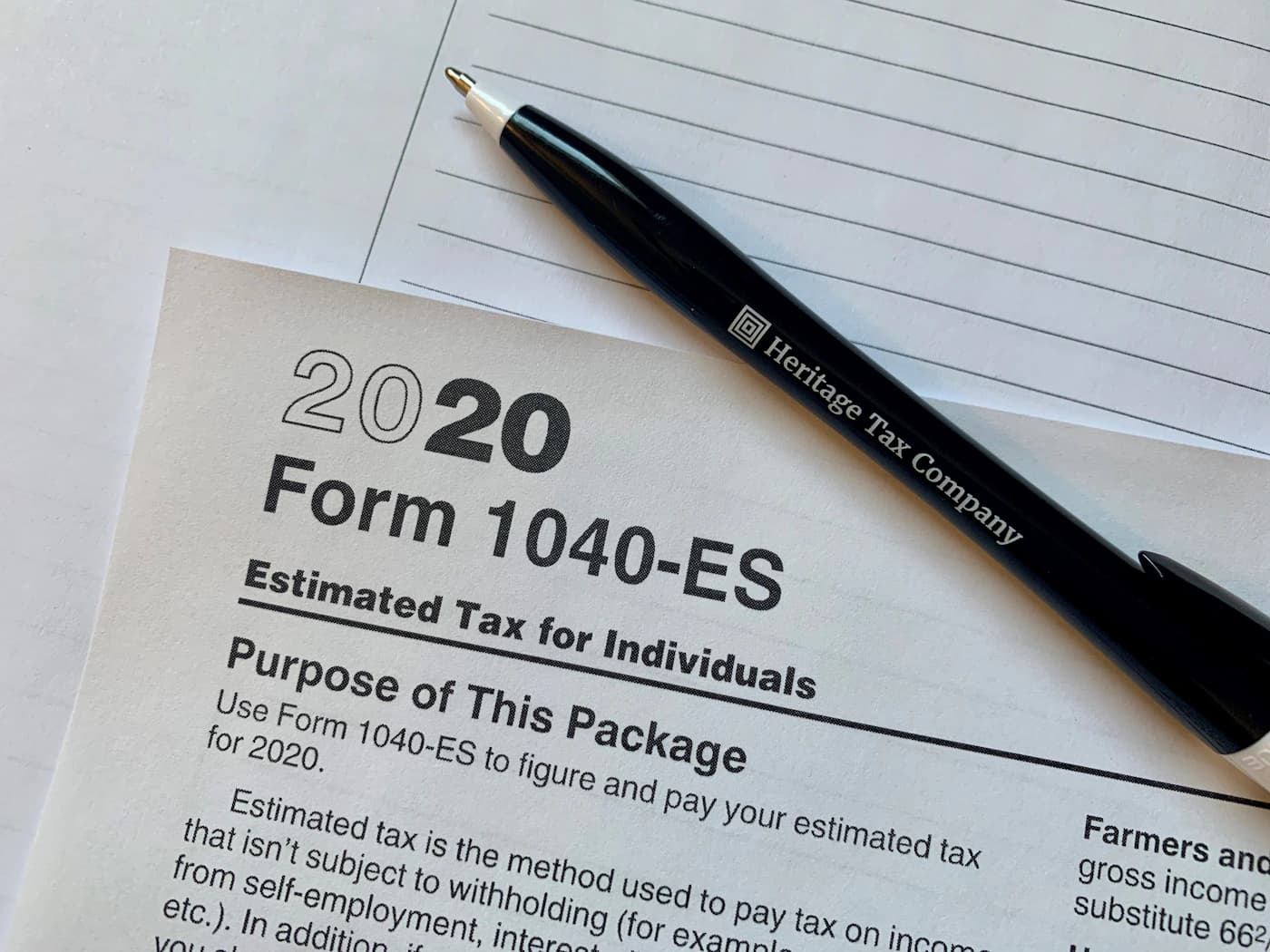
Independently, which is the point most often missed. A company can owe no federal tax because it is not engaged in a US trade or business and still have a registration and filing obligation in several states on the strength of its sales alone.
The two systems do not check each other, and satisfying one says nothing about the other. Nor does the state of formation help here: forming in a state with no income tax does not change what you owe in the states you sell into.
What Is Worth Doing Before Volume Builds?
Knowing your sales by destination state, and knowing which thresholds you are approaching rather than which you have already crossed. That information is usually available in your own platform reporting, and almost nobody looks at it until a notice arrives.
Registration handled in advance is an administrative matter. The same registration handled after a state has identified the exposure is a different conversation, conducted on less favourable terms.
In this series
Cross-Border Tax & Compliance
Start hereWhat a Foreign-Owned US Company Owes the IRS- Who Actually Has to File a Form 1040-NR?
- Does a US LLC Owe US Tax If Its Owner Lives Abroad?
- Do Non-Resident Owners of a US LLC Have to Make Quarterly Estimated Tax Payments?
- My US LLC Has More Than One Owner. What Do We File by September 15?
- What Is Form 5472 and the $25,000 Risk?
- Does a Foreign Owner of a US LLC Actually Pay US Taxes?


A firm or advisor? Refer clients and build alongside Prodezk.
Further reading

Taxes8 min read
What Is a Tax Identification Number (TIN)?, TIN vs SSN Explained
Understand the differences between a Tax Identification Number (TIN) and SSN. Which one do you need for your business in the U.S.? Discover real examples and common mistakes.

Taxes3 min read
2025 Tax Season: Key Changes and How to Prepare
As tax season in the U.S. approaches, we offer a complete guide on changes to the tax brackets for 2025. Discover updated rates, deductions, benefits, and strategies to make the most of the fiscal adjustments, ensuring an optimized tax return for the upcoming year.

Taxes17 min read
Why Doesn’t the United States Have a VAT? Key Differences Between VAT and US Sales Tax
Explore VAT in the United States: Why there's no federal system, how sales tax works across states, and implications for international businesses in 2026. Learn compliance tips, refunds, and cost-saving strategies from experts. Get started with Prodezk today!