


The JournalTaxes
What Is a CPA and What They Do
By Andres Platts · 3 min read
Quick answer
A CPA is a state-licensed public accountant in the US. They prepare and sign financial statements, file tax returns, and represent the company before the IRS. For a non-resident-owned US company, a CPA is who keeps the annual filings compliant.
A CPA, or Certified Public Accountant, is a state-licensed public accountant in the United States. The license is granted by a state board of accountancy after the person passes a national exam, meets an accounting education requirement, and completes supervised work experience. Their core functions are preparing and reviewing financial statements, preparing and filing tax returns, representing the taxpayer before the IRS, advising on tax planning and compliance, and performing audits. For a US company owned by a non-resident, a CPA is usually the person who signs off on the annual filings and keeps the company in good standing.
It is worth understanding the role before you hire for it. Not everyone who handles numbers is a CPA, and that distinction matters when your company operates in a jurisdiction you do not know by heart. This piece explains what a CPA is and what they do, so you know exactly who you are trusting with your company's compliance.
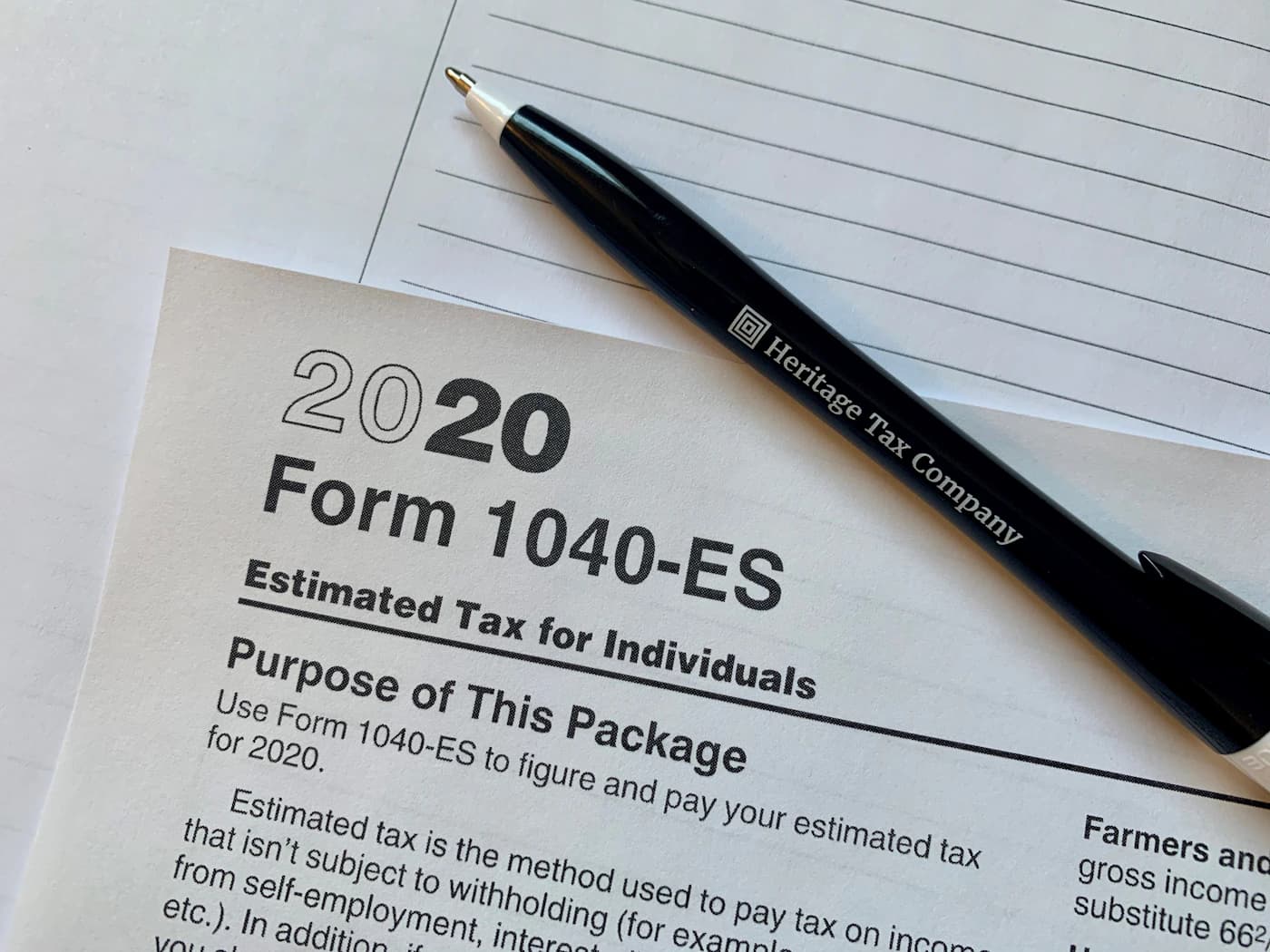
What Does It Mean for a CPA to Be Licensed?
It means a state authority verified their education and competence, and that they answer to that board for their professional conduct. The license is earned by passing the Uniform CPA Examination, meeting an accounting coursework requirement, and logging supervised practical experience. A CPA also has to keep up with continuing education to hold the credential. That license is what lets them sign certain work and formally represent you before the tax authority, something an unlicensed accountant cannot do.
How Is a CPA Different From a Bookkeeper?
A bookkeeper records the day-to-day transactions: invoices, payments, bank movements. It is necessary and valuable work, but it is recording, not certifying. A CPA works a level above: they take that information, interpret it, build the financial statements, prepare the returns, and stand behind them before the IRS. An unlicensed accountant may keep books competently, but does not hold the credential that authorizes signing and representation. Many companies use both, each in their own lane.
Not everyone who handles numbers is a CPA, and that distinction matters when your company operates in a jurisdiction you do not know by heart.
What Does a CPA Do for a Non-Resident-Owned Company?
They make sure the company meets its IRS obligations year after year. A foreign-owned US company often has specific annual filings it must submit even when it earned no income, and skipping them can carry steep penalties. The CPA identifies which forms apply to your case, prepares them from the accounting records, files them on time, and signs off on that work. They also act as a translator between the US rules and your reality as a founder living outside the country.

Can a CPA Represent Me Before the IRS?
Yes. This is one of the differences that carries the most weight. A CPA is one of the figures authorized to formally represent a taxpayer before the IRS, which means they can communicate with the authority on your behalf, answer inquiries, and support you through a review. For a founder who does not live in the United States and does not speak the administrative language of the system, having someone who can sit at that table for you is not a luxury, it is concrete peace of mind.
How Does Prodezk Help?
For 24 years we have helped founders across Latin America run a US company with clean compliance and no surprises from the IRS. Instead of leaving you to find on your own who to trust with your returns, an advisor reviews your case, identifies which filings apply to you, and coordinates the accounting work your company needs each year. When you want to know what obligations yours carries and who should sign them, begin here and we sort it out from your first question.

A firm or advisor? Refer clients and build alongside Prodezk.
Further reading

Taxes8 min read
What Is a Tax Identification Number (TIN)?, TIN vs SSN Explained
Understand the differences between a Tax Identification Number (TIN) and SSN. Which one do you need for your business in the U.S.? Discover real examples and common mistakes.

Taxes3 min read
2025 Tax Season: Key Changes and How to Prepare
As tax season in the U.S. approaches, we offer a complete guide on changes to the tax brackets for 2025. Discover updated rates, deductions, benefits, and strategies to make the most of the fiscal adjustments, ensuring an optimized tax return for the upcoming year.

Taxes17 min read
Why Doesn’t the United States Have a VAT? Key Differences Between VAT and US Sales Tax
Explore VAT in the United States: Why there's no federal system, how sales tax works across states, and implications for international businesses in 2026. Learn compliance tips, refunds, and cost-saving strategies from experts. Get started with Prodezk today!