


The JournalTaxes
US Estate Tax Treaties: Is Your Country In?
By Andres Platts · October 1, 2026 · 3 min read
Quick answer
Only 15 countries have a US estate or gift tax treaty, and none are in Latin America. Without one, US assets over $60,000 can trigger US estate tax at death.
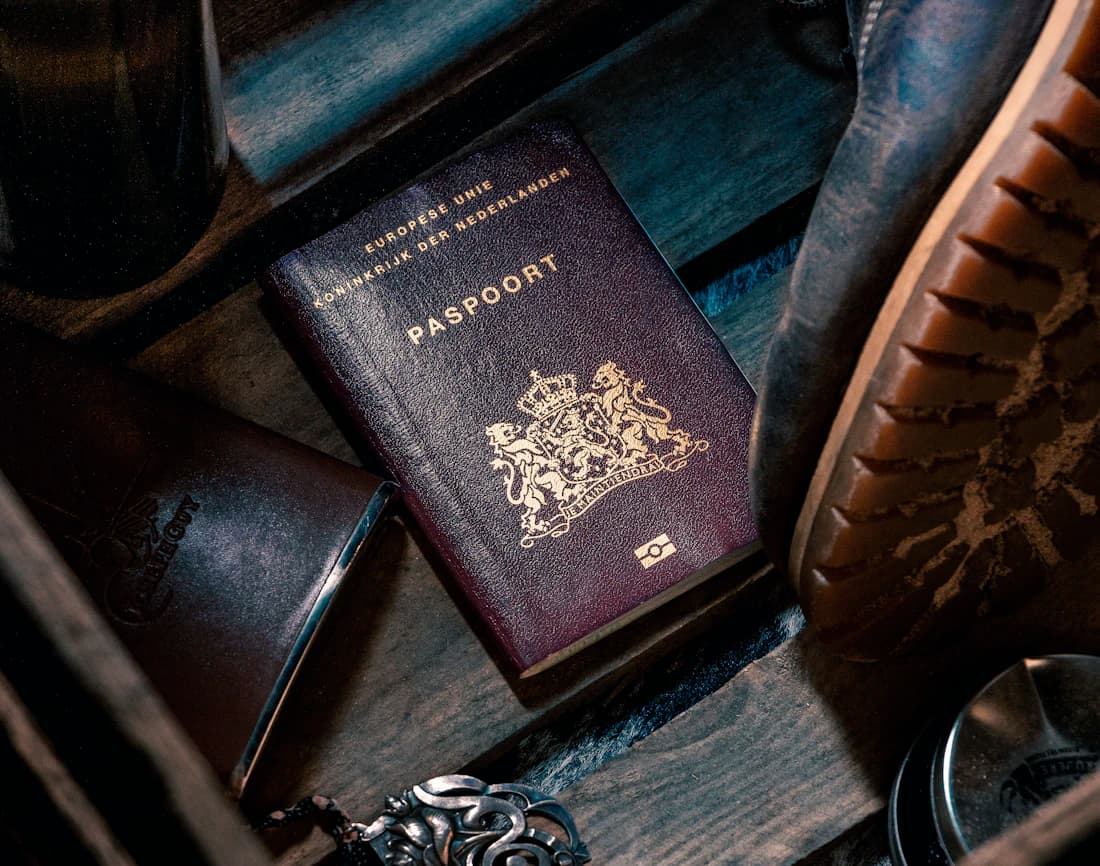
Only 15 countries have a treaty with the United States that covers estate or gift tax: Australia, Austria, Canada, Denmark, Finland, France, Germany, Greece, Ireland, Italy, Japan, the Netherlands, South Africa, Switzerland and the United Kingdom. No country in Latin America is on that list, and neither are Spain or India.
That list matters more than most founders expect. A US income tax treaty, which roughly sixty-eight countries have, does nothing for estate tax. The two are separate agreements, and for most families who own a US company from abroad, the estate tax side has no treaty behind it at all.
Which countries have a US estate or gift tax treaty?
The IRS publishes the list, and it is short. Some treaties cover both estate and gift tax, others cover estate tax only.
- Estate and gift: Australia, Austria, Denmark, France, Germany, Japan, United Kingdom
- Estate only: Finland, Greece, Ireland, Italy, Netherlands, South Africa, Switzerland
- Canada: estate provisions sit inside the income tax treaty, in Article XXIX B, rather than in a separate estate treaty
If your country of residence is not named above, the United States applies its default rules to your estate, whatever income tax treaty your country may have.
Is an income tax treaty the same as an estate tax treaty?
No. An income tax treaty governs tax on money your company earns and pays out, such as dividends, interest and royalties. An estate tax treaty governs what happens to US assets when their owner dies. A country can have the first and not the second, which is the position of Mexico, Spain and India today.
We covered the income side separately, in our guide to US income tax treaties by country. The mistake to avoid is assuming that because one exists, the other does too.
If your country of residence is not named above, the United States applies its default rules to your estate, whatever income tax treaty your country may have.
What happens if my country has no estate tax treaty?
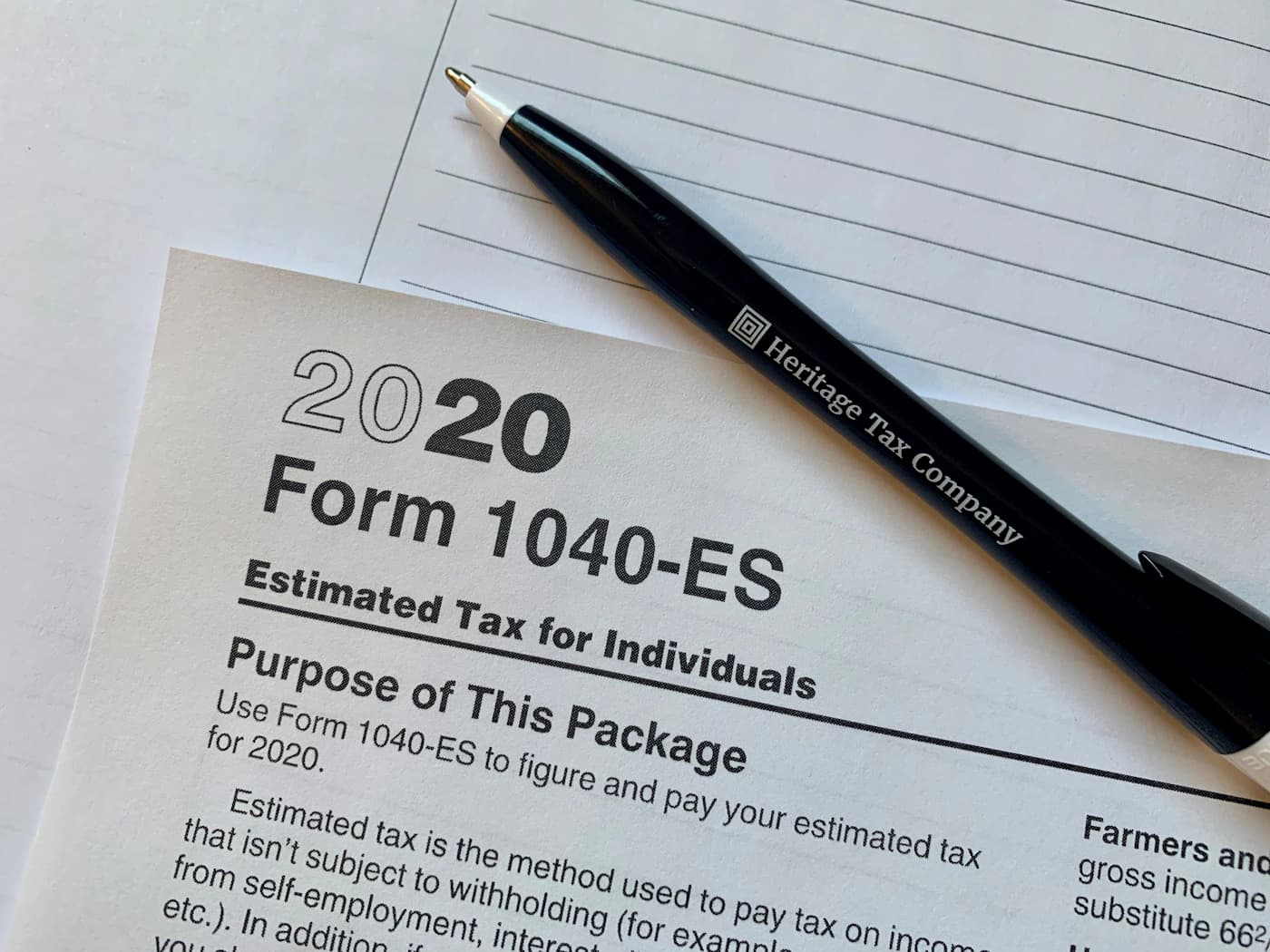
The default rules apply. The IRS requires an estate tax return, Form 706-NA, for a nonresident who is not a US citizen when the value of their US-situated assets at death exceeds $60,000. Above that threshold, the estate may owe US estate tax on those assets.
Sixty thousand dollars is a low line for anyone holding US real estate, a brokerage account or shares in a US corporation. It is the reason the question of how a US holding is owned, directly or through a structure, deserves attention before it is needed rather than after. Our piece on the $60,000 question goes further into which assets count.
What can a treaty change?
For a resident of a treaty country, a treaty can reshape the default rules. The IRS notes that some treaties allow a pro-rata unified credit, which can shelter considerably more than the default threshold, depending on how much of the estate sits in the United States.
Claiming it is not automatic. The IRS instructs the estate to show the computation of the pro-rata credit and to attach Form 8833, the treaty-based return position disclosure, to the return. Each treaty is written differently, so the specific benefit depends on the country and on the assets involved.
Does owning through a US LLC change the answer?
It can, and this is where general guidance stops being useful. How an LLC interest is treated for estate tax purposes depends on facts such as how the entity is classified for tax purposes and what it holds. We would rather tell you that plainly than offer a confident rule that does not exist.
What we can say is that the structure is a decision, not a default. A family that owns a US property, a US brokerage account or a US operating company from a country with no estate tax treaty should decide deliberately how those assets are held, and should revisit that decision as the family and the holdings grow.
What should a family without a treaty do now?
- Confirm your country of residence against the IRS list above, rather than assuming an income tax treaty covers it
- List every US-situated asset held personally, including real estate, US brokerage accounts and shares of US corporations
- Review how each one is owned, and whether that ownership still fits the family's plans
- Keep the company's own tax filings current, since a well-kept entity is far easier to plan around
If you hold US assets from a country outside that list of 15, it is worth a conversation before the question becomes urgent. Our advisors can review how your US holdings are structured and coordinate with your advisors at home. Begin a private consultation.
In this series
Global Wealth & Legacy
Start hereWhy Do the World's Established Families Still Choose a US Company?

A firm or advisor? Refer clients and build alongside Prodezk.
Further reading

Taxes8 min read
What Is a Tax Identification Number (TIN)?, TIN vs SSN Explained
Understand the differences between a Tax Identification Number (TIN) and SSN. Which one do you need for your business in the U.S.? Discover real examples and common mistakes.

Taxes3 min read
2025 Tax Season: Key Changes and How to Prepare
As tax season in the U.S. approaches, we offer a complete guide on changes to the tax brackets for 2025. Discover updated rates, deductions, benefits, and strategies to make the most of the fiscal adjustments, ensuring an optimized tax return for the upcoming year.

Taxes17 min read
Why Doesn’t the United States Have a VAT? Key Differences Between VAT and US Sales Tax
Explore VAT in the United States: Why there's no federal system, how sales tax works across states, and implications for international businesses in 2026. Learn compliance tips, refunds, and cost-saving strategies from experts. Get started with Prodezk today!