


The JournalTaxes
Top Income Tax Requirements Every Foreign Business Must Know
By Andres Platts · January 16, 2026 · 9 min read
Quick answer
Navigating income tax requirements as a foreign business can be complex. Stay informed and compliant with essential guidelines to maximize your success today!

Income Tax Guide for Foreign Businesses, U.S. Compliance Explained

Taxes for foreign companies doing business in the United States can be confusing and costly if mishandled. This guide breaks down the core income-tax obligations, the IRS forms you’re likely to encounter, and practical compliance steps foreign-owned firms should know. We focus on the essentials, residency rules, effectively connected income (ECI), how different entity types are treated, and recent international tax developments, so you can make informed choices and avoid surprises. Read on for a clear roadmap that addresses common pain points and points you toward smarter tax decisions.
1. What Are the US Tax Obligations for Foreign-Owned Companies?
Foreign-owned companies with U.S. activity face a mix of federal and state tax rules that differ from domestic firms. Obligations typically include federal income tax on U.S. source or effectively connected income, potential state income taxes where you have nexus, and various IRS reporting duties. Understanding these differences up front reduces the chance of penalties and keeps operations running smoothly.
How Does US Tax Residency Affect Foreign Businesses?
US tax residency changes how an entity is taxed. A foreign company may be treated as a U.S. tax resident if it’s incorporated in the U.S. or has a significant presence here through employees, agents, or property. Residency can trigger filing requirements and tax on worldwide income, so assessing residency status early is critical for planning and compliance.
What Is Effectively Connected Income and Why Does It Matter?
Effectively Connected Income (ECI) is income tied to a U.S. trade or business and is generally taxable in the U.S. Examples include revenue from sales of goods or services delivered in the U.S. and income from U.S. business operations. Correctly identifying ECI determines whether income is subject to U.S. tax and which returns and schedules you must file.
2. How Are Different Foreign Business Entities Taxed in the US?
Tax treatment depends heavily on entity type. Corporations, limited liability companies (LLCs), and partnerships are each taxed under different rules, with distinct withholding, reporting, and filing obligations. Choosing the right structure affects both compliance complexity and your ultimate tax burden.
What Are the Income Tax Requirements for Foreign Corporations?
Foreign corporations generally face a 30% withholding tax on certain U.S.-source passive income (dividends, interest, rents, royalties) unless a tax treaty reduces the rate. If a foreign corporation has ECI, it must file Form 1120-F to report that income and calculate U.S. tax liability. Timely and accurate filing of 1120-F is essential to avoid penalties and to claim treaty benefits when applicable.
How Is a Foreign-Owned LLC Taxed in the US?
Foreign-owned LLCs are commonly treated as disregarded entities or partnerships for U.S. tax purposes, so income flows to the owners’ returns rather than being taxed at the entity level. If the LLC elects corporate treatment, it will be taxed like a corporation under U.S. rules. Understanding these options helps owners pick the structure that best matches their tax and operational goals.
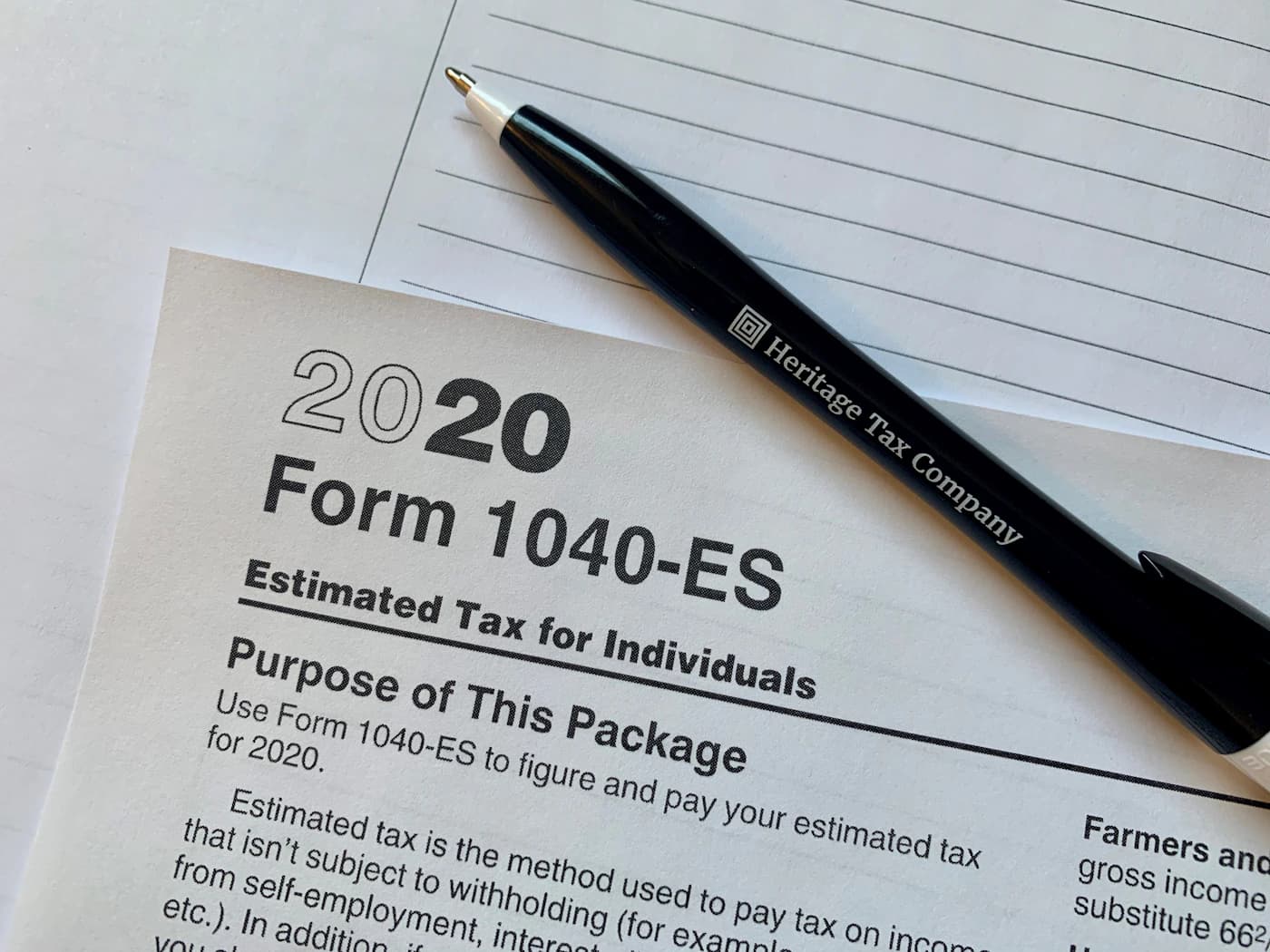
Increase your profits and optimize your taxation in the United States.
3. Which IRS Forms Must Foreign Businesses File for US Tax Compliance?
Several IRS forms commonly affect foreign businesses. These returns and information filings report income, disclose ownership and transactions, and support claims for treaty benefits or credits. Knowing which forms apply to your situation avoids costly oversights.
What Is Form 1120-F and Who Must File It?
Form 1120-F is the U.S. income tax return for foreign corporations with income effectively connected to a U.S. trade or business. Filing 1120-F lets the IRS determine taxable income and any tax due. Missing this filing can trigger penalties and complicate treaty claims, so make timely filing a priority.
When Are Forms 5471 and 8865 Required for Foreign Entities?
Forms 5471 and 8865 are U.S. information returns required of U.S. persons with certain interests in foreign corporations (5471) or foreign partnerships (8865). These filings disclose ownership, transactions, and financial activity to the IRS, supporting transparency and enforcement of cross-border tax rules.
4. How Do Tax Treaties and Foreign Tax Credits Affect US Tax for Foreign Businesses?
Tax treaties and foreign tax credits are two primary tools that reduce double taxation for cross-border businesses. Treaties can lower withholding rates or exempt certain income, while foreign tax credits offset U.S. tax liability for taxes paid to other countries. Properly applying treaties and credits is a key part of efficient tax planning.
These returns and information filings report income, disclose ownership and transactions, and support claims for treaty benefits or credits.
How Can Tax Treaties Reduce US Withholding Taxes?
U.S. treaties with other countries often provide reduced withholding rates or exemptions for dividends, interest, and royalties. Claiming treaty benefits generally requires specific documentation and timely filings. Reviewing the exact treaty provisions that apply to your home country can yield substantial savings on U.S.-source passive income.
What Are Foreign Tax Credits and How Do They Work?
Foreign tax credits let U.S. taxpayers offset U.S. tax with taxes paid to foreign jurisdictions, helping to prevent double taxation. Businesses must meet eligibility requirements and follow IRS procedures to claim credits. Accurate documentation of foreign taxes paid is essential to substantiate credit claims.

5. What Are the State-Specific Income Tax Considerations for Foreign Businesses?
Beyond federal rules, state tax obligations depend on where you do business. Each state defines nexus, apportionment, and filing thresholds differently, so state compliance can add significant complexity and cost if not managed proactively.
Which US States Offer Tax Benefits for Foreign-Owned Entities?
Certain states market favorable tax environments to attract businesses. For example, Nevada is known for its lack of state corporate income tax, while Delaware is often chosen for corporate-friendly laws and, depending on your circumstances, tax planning advantages. Understanding state-level benefits and trade-offs helps you decide where to establish operations or incorporate.
How Do State Income Taxes Impact Foreign Business Compliance?
State tax rules vary widely and can affect where you must register, file, and pay tax. Multiple-state activity may create filing obligations in several jurisdictions, increasing administrative burden. Working with advisors familiar with state nexus and apportionment rules reduces compliance risk.
6. What Recent US Tax Law Changes Affect Foreign Business Income Tax Requirements?
International tax rules are evolving, and recent developments can change filing obligations and tax calculations for foreign businesses. Staying current lets you adapt strategies and take advantage of new opportunities while remaining compliant.
How Does the One Big Beautiful Bill Act Impact Foreign Businesses?
References to the “One Big Beautiful Bill Act” are not tied to an enacted U.S. tax law as of 2024. Any claims about its impact should be treated cautiously and verified against official sources before relying on them for planning.
What Are the Implications of Pillar Two and FTC Regulation Updates?
Pillar Two represents the OECD’s global minimum tax framework and related U.S. responses, including adjustments to rules like GILTI and foreign tax credit (FTC) regulations. These changes influence how multinational groups calculate effective tax rates and claim credits, so they can materially affect cross-border tax positions and repatriation decisions. Monitor developments and model their impact on your structure.
Required for qualifying U.S. partners in foreign partnerships
Knowing which forms apply and when to file them is a foundational part of staying compliant and avoiding penalties.
Operating in the U.S. presents a layered tax picture: federal rules, state obligations, forms, and international provisions all matter. By understanding residency, ECI, entity-specific rules, and treaty/credit mechanics, foreign businesses can manage tax risk and plan more effectively. Prodezk helps international entrepreneurs with company formation, compliance, and growth in the U.S., reducing complexity and keeping you on the right side of IRS requirements.
Frequently Asked Questions
What are the common mistakes foreign businesses make regarding US tax compliance?
Common missteps include misclassifying income (especially ECI), missing required filings such as Form 1120-F, and overlooking state filing obligations. Other frequent errors are failing to claim available treaty benefits properly or not documenting foreign taxes paid for credit claims. Early advice from a tax professional can prevent these costly mistakes.
How can foreign businesses ensure they are compliant with state tax laws?
Start by mapping where you have nexus and what activities trigger state filing requirements. Keep organized records, track employee locations and sales, and consult a state-tax specialist when expanding into new jurisdictions. Regular reviews and proactive registration in states where you do business will reduce the risk of retroactive assessments.
What resources are available for foreign businesses to understand US tax laws?
Key resources include the IRS website, official tax treaty texts, and guidance from professional bodies such as the AICPA. Specialized international tax advisors and law firms provide tailored support, while peer networks and industry groups can offer practical insights from similar businesses.
What role do tax advisors play for foreign businesses in the US?
Tax advisors help you interpret complex rules, prepare required filings, and structure operations to reduce unnecessary tax costs. They also keep you current on regulatory changes, help claim treaty benefits and foreign tax credits correctly, and defend your position in the event of an audit. Their guidance is especially valuable for cross-border planning and compliance.
How do changes in international tax laws affect foreign businesses in the US?
Shifts in international rules, like global minimum tax measures or adjustments to foreign tax credit rules, can alter effective tax rates and reporting obligations. These changes may affect decisions on where to locate activities, repatriate profits, or restructure holdings. Regular monitoring and scenario analysis help you stay agile.
What are the implications of not filing required IRS forms on time?
Late or missing filings can trigger penalties, interest, and increased IRS scrutiny. For instance, failing to file Form 1120-F when required can result in substantial penalties depending on the facts and circumstances. Prioritizing timely filings and working with advisors reduces these risks.
Get a free consultation

A firm or advisor? Refer clients and build alongside Prodezk.
7. Conclusion
Foreign businesses can operate successfully in the U.S. with the right preparation: know your residency status, identify ECI, choose the appropriate entity treatment, and follow federal and state filing rules. Use treaties and foreign tax credits where available, and stay up to date on international tax reforms. If you need help, Prodezk offers practical, expert guidance on company formation, compliance, and tax matters for foreign-owned businesses, reach out to explore how we can support your next steps.
A firm or advisor? Refer clients and build alongside Prodezk.
Further reading

Taxes8 min read
What Is a Tax Identification Number (TIN)?, TIN vs SSN Explained
Understand the differences between a Tax Identification Number (TIN) and SSN. Which one do you need for your business in the U.S.? Discover real examples and common mistakes.

Taxes3 min read
2025 Tax Season: Key Changes and How to Prepare
As tax season in the U.S. approaches, we offer a complete guide on changes to the tax brackets for 2025. Discover updated rates, deductions, benefits, and strategies to make the most of the fiscal adjustments, ensuring an optimized tax return for the upcoming year.

Taxes17 min read
Why Doesn’t the United States Have a VAT? Key Differences Between VAT and US Sales Tax
Explore VAT in the United States: Why there's no federal system, how sales tax works across states, and implications for international businesses in 2026. Learn compliance tips, refunds, and cost-saving strategies from experts. Get started with Prodezk today!