


The JournalCommerce
Taxes in Delaware: What Does a Business Have to Pay?
By Andres Platts · June 5, 2025 · 5 min read
Quick answer
If your business is based in Delaware and you’re unsure about which taxes you need to pay, this guide explains the key tax obligations, including the Franchise Tax, Gross Receipts Tax, and Corporate Income Tax. Learn how to leverage Delaware’s tax advantages for your business.


Delaware is known as one of the most business-friendly states in the United States . While it’s famous for having no sales tax and a business-friendly tax structure, there are still various tax obligations that businesses must meet to operate legally.
This blog explains the taxes in Delaware that affect businesses, how they work, and key considerations if you plan to operate your business in this state. From the Franchise Tax to the Gross Receipts Tax, here’s a complete guide to understanding Delaware’s tax landscape.


1. Taxes in Delaware for Businesses
1.1 Franchise Tax
The Franchise Tax is a key tax for businesses in Delaware. It isn’t based on income or profitability but rather on the authorized share capital or stock value of the company . This tax primarily applies to C-Corps and S-Corps, but LLC also have an annual tax obligation, though it’s not called a Franchise Tax.
How is the Franchise Tax Calculated?
There are two main methods for calculating the Franchise Tax in Delaware, and businesses can choose the most favorable option:
- 01Authorized Capital Method: Based on the number of authorized shares. More shares result in higher taxes: Companies with up to 5,000 authorized shares pay a flat fee of $175 . Companies with over 5,000 shares pay between $250 and $200,000 annually .
- 02Net Asset Value Method: Based on the company’s total assets and issued shares. This method is more favorable for companies with a high number of shares but relatively low total asset value.
- Companies with up to 5,000 authorized shares pay a flat fee of $175 .
- Companies with over 5,000 shares pay between $250 and $200,000 annually .
When is the Franchise Tax Due?
Businesses must file an annual report and pay the Franchise Tax by March 1 each year. Late payments can result in significant penalties and interest.

1.2 Gross Receipts Tax
Another significant tax for businesses is the Gross Receipts Tax, which applies to a company’s gross revenue.
What is the Gross Receipts Tax?
This tax applies to total revenue from the sale of goods or services within Delaware, with no deductions for expenses like payroll or cost of goods sold.
Territorial Principles for Application:
For the Gross Receipts Tax to apply, the business must meet at least one of these conditions:
- Sales within the state.
- Employees based in Delaware.
- An account opened at a physical branch within the state.
- A physical location within the state.
Tax Rates:
Rates vary by business activity, ranging from 0.0945% to 1.9914% across sectors such as wholesale, financial services, and manufacturing.
Delaware also has a Corporate Income Tax, though its rate is competitive compared to other states.
Exemptions and Thresholds:
Businesses with gross revenue under $100,000 are exempt. Those exceeding this threshold must pay quarterly or monthly.

1.3 Corporate Income Tax
Delaware also has a Corporate Income Tax, though its rate is competitive compared to other states. This tax applies to net income generated by C-Corps operating within the state.
Tax Rate:
The Corporate Income Tax rate in Delaware is 8.7% on net income. S-Corps and LLCs do not pay corporate income tax, as their profits "pass through" to the owners and are reported on personal tax returns.
Filing Deadlines:
Businesses must file annual tax returns and pay any owed taxes by April 15 of the following fiscal year. We invite you to calculate the tax payment of your company in Delaware in the following link .

2. Taxes That Don’t Apply in Delaware
One of Delaware’s most significant advantages is the absence of certain taxes common in other states, making it particularly attractive for business formation.
No Sales Tax :
Delaware does not charge sales tax on goods or services, allowing businesses to offer more competitive prices.
No State Personal Income Tax:
Residents earning income outside Delaware are exempt from state personal income tax.
No Inventory or Intangible Property Tax:
Assets like patents or trademarks are not taxed, benefiting businesses with significant intangible assets or large inventories.
3. Compliance and Additional Benefits
Annual Report Filing
All entities in Delaware must file an annual report . For corporations, the deadline is March 1, while LLC must file by June 1 . Failure to comply may result in fines or business dissolution.
Tax Exemptions and Incentive Zones
Delaware offers various tax exemptions and benefits, including incentive zones and tax credits to encourage job creation and economic development. Businesses meeting specific criteria can access additional tax advantages.

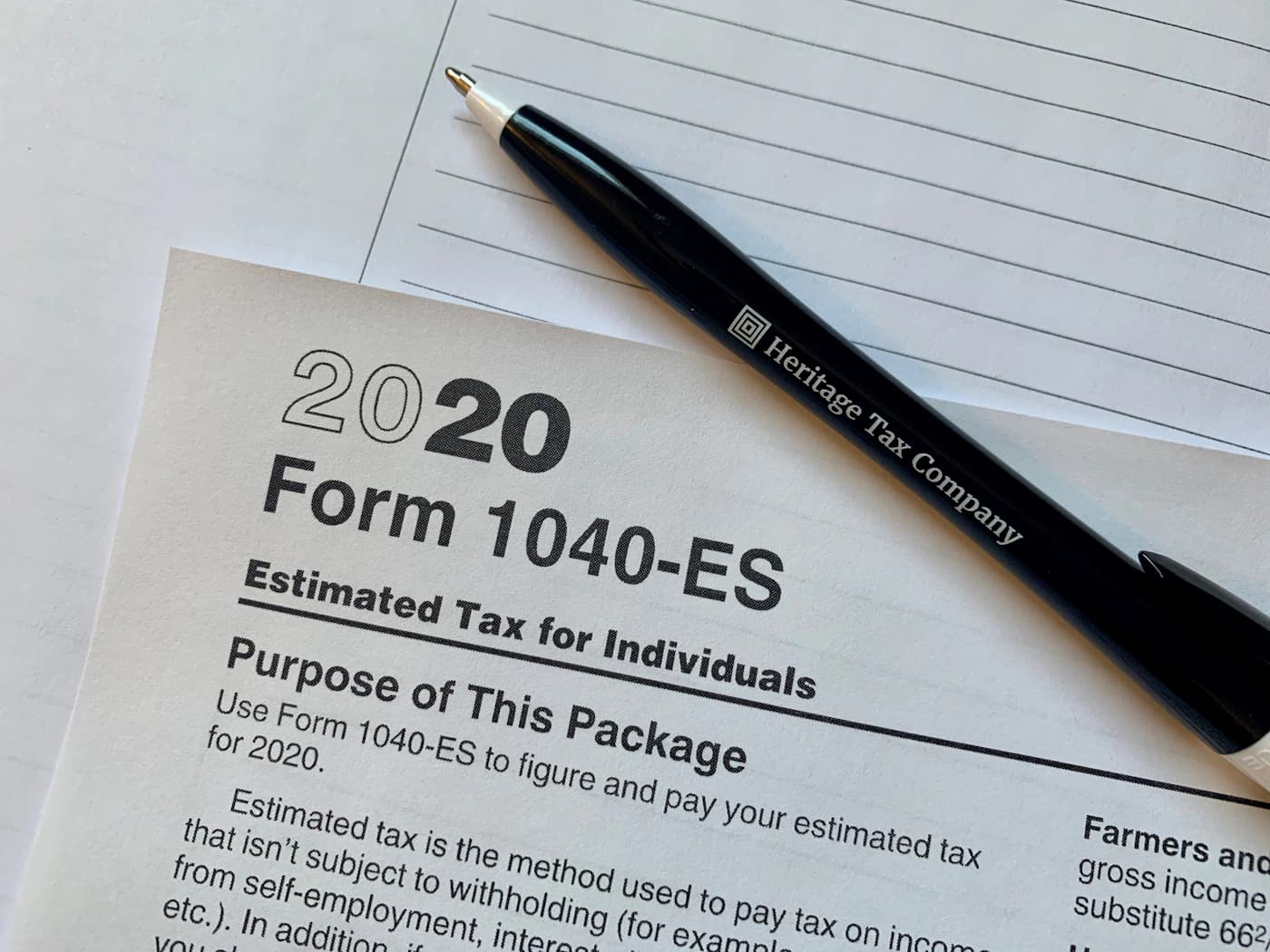
4. How Can We Help You Manage Taxes in Delaware?
Navigating Delaware’s tax system can be challenging, but with the right advice, you can optimize your tax obligations and ensure compliance.
- Personalized Tax Advice: We help you understand which taxes apply to your business, how to calculate them, and when to pay. From the Franchise Tax to the Gross Receipts Tax, we’ll keep you on track.
- Tax Optimization: We determine the best method to calculate your Franchise Tax and identify potential exemptions or benefits.
- Deadline Compliance: We assist with annual reports and corporate tax filings, avoiding penalties and ensuring your business remains in good standing.
Need help managing taxes in Delaware?
Contact us . Our team of tax experts is ready to guide you and ensure your business complies efficiently with all regulations.
Conclusion
While Delaware is renowned for its favorable tax environment, businesses must still comply with taxes like the Franchise Tax, Gross Receipts Tax, and Corporate Income Tax . However, the absence of sales tax and other fiscal advantages makes Delaware one of the most attractive states for business formation and operation.
Want more information or assistance with your taxes in Delaware?
Contact us, and we’ll help you optimize your tax structure and comply efficiently with all state regulations.


A firm or advisor? Refer clients and build alongside Prodezk.
Further reading

Commerce4 min read
What Are Master Points?
This article explains what master points are in the music industry, how they are negotiated and distributed, and their importance for artists and producers.

Commerce6 min read
How to Start an Import and Export Business in the United States
Learn the steps to start an import and export business in the U.S., including legal requirements, licenses, and customs regulations.

Commerce4 min read
Requirements to Export to the US
To export goods to the United States you generally need a US or registered foreign entity, an EIN, an importer of record and often a customs broker, plus the shipping documents and agency compliance for your product.