

The JournalCommerce
Requirements to Export to the US
By Andres Platts · 4 min read
Quick answer
To export goods to the United States you generally need a US or registered foreign entity, an EIN, an importer of record and often a customs broker, plus the shipping documents and agency compliance for your product.
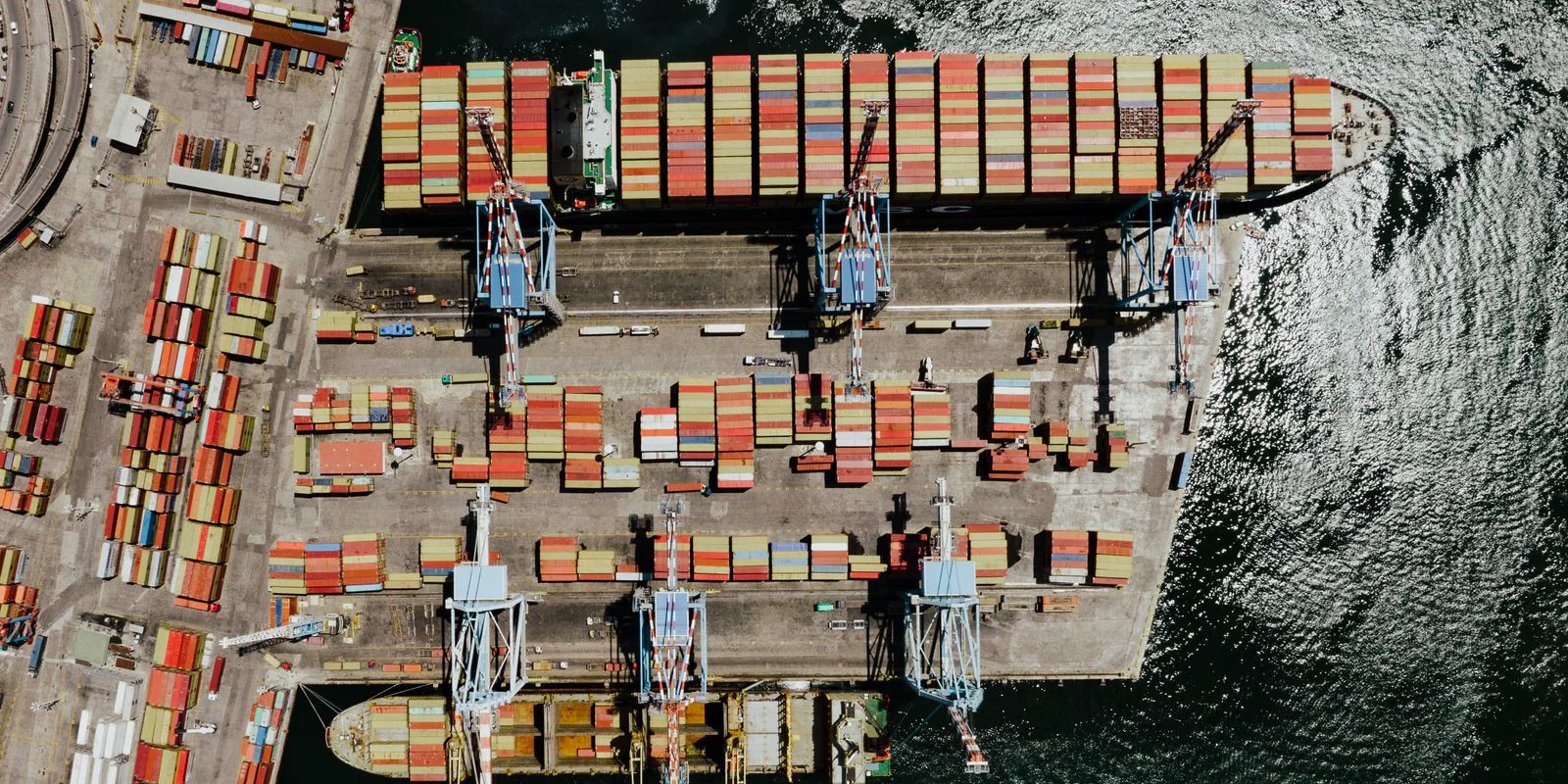
To export goods to the United States, a Latin American business generally needs five things in place: a business entity that can act on US soil, a tax identification number for that entity, a designated importer of record supported in most cases by a customs broker, a complete set of shipping documents, and compliance with the specific US agency that governs your product. None of these is optional if you want your goods to clear customs cleanly and reach your buyer. The order in which you arrange them matters less than making sure not one is missing when the shipment arrives at the port.
It helps to see the requirements in two groups. The first is structural: who you are on paper in the United States and how you are identified for tax. The second is transactional: the documents and controls that travel with each shipment. This piece walks through both so you know what you actually need before you book your first container.

Do You Need a US Company to Export to the United States?
Not always, but it usually makes everything simpler. You can export to a US buyer as a foreign company, in which case your customer often acts as the importer of record and carries the compliance burden. The alternative is to set up your own presence, typically an LLC, or to register your foreign entity appropriately so it can operate here. When your company is the one bringing goods across the border, being incorporated in the United States lets you be the importer of record, open a US bank account, and manage payments and returns on your own terms rather than depending on the buyer for every step.
What Tax Identification Does the Company Need?
Your company needs an Employer Identification Number, the EIN, issued by the tax authority. It is the number that identifies your business for customs entries, for opening a bank account, and for any filing tied to your US activity. Customs uses it to record who is bringing goods in. Without it, an entity cannot function as an importer of record, so securing the EIN early is one of the first practical steps once the company exists.
You can export to a US buyer as a foreign company, in which case your customer often acts as the importer of record and carries the compliance burden.
Who Is the Importer of Record and Why Does It Matter?
The importer of record is the party legally responsible for the shipment once it reaches the United States: for declaring it correctly, paying the duties owed, and standing behind its compliance. It can be your US company, your foreign company, or in some arrangements the buyer. Alongside it, most exporters work with a licensed customs broker who prepares the entry, classifies the goods, and coordinates with customs so nothing stalls at the port. The broker is not legally required in every case, but for a business new to the US border it is the difference between a smooth clearance and an expensive delay.

The flexible structure most founders choose, set up for your state.
Which Documents Travel With the Shipment?
Every shipment carries a core set of paperwork. The commercial invoice states what is being sold, to whom, and at what value. The packing list details how the goods are packed. The bill of lading for ocean freight, or the air waybill for air freight, is the transport document that governs the cargo. Depending on the product and its origin, you may also need a certificate of origin and product-specific certificates. Getting the values, descriptions, and classifications right on these documents is what determines the duties assessed, so accuracy here is not a formality.
What Product Compliance Rules Apply?
Beyond the shipping documents, your product must meet the rules of the US agency that regulates its category. Food, beverages, cosmetics, and medical items fall under the Food and Drug Administration, which can require registration and prior notice. Other categories answer to their own agencies for labeling, safety, or certification. This layer is the one founders most often overlook, and it is the one that stops a shipment cold when missed. Knowing which agency governs your product, and meeting its requirements before you ship, keeps your goods moving.
How Does Prodezk Help?
For 24 years we have helped founders across Latin America build the US presence that exporting requires: the right entity, the EIN, and a company that can stand as importer of record so the border stops being an obstacle. An advisor reviews your product and your route, tells you which pieces you genuinely need, and sets them up in the right order rather than leaving you to assemble it alone. When you are ready to put your structure in place, begin here and we talk it through from your first shipment.



A firm or advisor? Refer clients and build alongside Prodezk.
Further reading

Commerce4 min read
What Are Master Points?
This article explains what master points are in the music industry, how they are negotiated and distributed, and their importance for artists and producers.
Commerce6 min read
How to Start an Import and Export Business in the United States
Learn the steps to start an import and export business in the U.S., including legal requirements, licenses, and customs regulations.
Commerce4 min read
How to Export Products to the United States from Ecuador: Complete Guide for 2025
Exporting products to the United States from Ecuador is a key opportunity for businesses looking to expand their market. In this blog, we outline the essential steps, legal requirements, high-demand sectors, and strategies to optimize your export operations in 2025. With updated information and key resources, we help you take your business to the next level.