


The JournalCommerce
What Taxes Does a Business Pay in California?
By Andres Platts · June 5, 2025 · 5 min read
Quick answer
Discover the main taxes that businesses in California must pay, including Sales Tax, Corporate Income Tax, and Franchise Tax. Learn how to efficiently manage your tax obligations and avoid penalties.


California has the largest economy in the United States, and operating a business in this state can be highly profitable. However, businesses in California also face a complex tax structure that includes various state and local taxes.
From Sales Tax to Corporate Income Tax, it’s essential for any entrepreneur to understand their tax obligations to avoid penalties and effectively manage operational costs.
In this blog, we’ll explain the taxes businesses must pay in California, detailing the most relevant ones and providing guidance on how to comply with them correctly.


1. Sales Tax
Sales Tax in California is one of the most significant taxes for businesses selling taxable products or services. This tax is paid by the final consumer but is the business's responsibility to collect and remit to the state.
Key Features of Sales Tax in California:
- Base Rate: The state Sales Tax rate is 7.25%, making it one of the highest in the country. This includes a 6% state tax and a 1.25% local tax .
- Additional Local Taxes: Some cities and counties in California may impose additional rates, raising the Sales Tax in some areas to as high as 10.25% .
- Taxable Products and Services: Most physical products are subject to Sales Tax, while certain services, like digital or professional services, may be exempt.
Tip: Register your business for Sales Tax and collect it correctly. Businesses must file periodic reports with the California Department of Tax and Fee Administration (CDTFA) . Non-compliance can result in fines.

2. Corporate Income Tax
California imposes Corporate Income Tax on businesses generating income within the state. This tax applies to C-Corporations and LLC that elect to be taxed as corporations.
Corporate Income Tax Rates:
Businesses must file periodic reports with the California Department of Tax and Fee Administration (CDTFA) .
- C-Corporations : Pay a rate of 8.84% on net income, above the national average.
- S-Corps : S-Corporations pay a reduced rate of 1.5% on income, with a minimum payment of $800, regardless of whether the business generates income.
- LLCs : LLCs not electing to be taxed as corporations are subject to an annual fee based on gross income, starting at $800 . If an LLC elects corporate taxation, Corporate Income Tax applies.

3. Employment Tax
If your business has employees, you must comply with several employment-related taxes, including:
- Unemployment Insurance (UI): Paid to the California Employment Development Department (EDD), funding unemployment insurance for workers. Rates range from 1.5% to 6.2% of taxable wages, with a maximum of $434 per employee annually.
- Employment Training Tax (ETT): Funds job training programs, with a low rate of around 0.1% on wages.
- State Disability Insurance (SDI): Includes 1.2% on the first $7,000 paid to each employee.
- Federal Taxes: Includes FICA (Social Security and Medicare) .
Tip: Register all employees and ensure proper payroll withholding to comply with state and federal regulations.

4. Franchise Tax
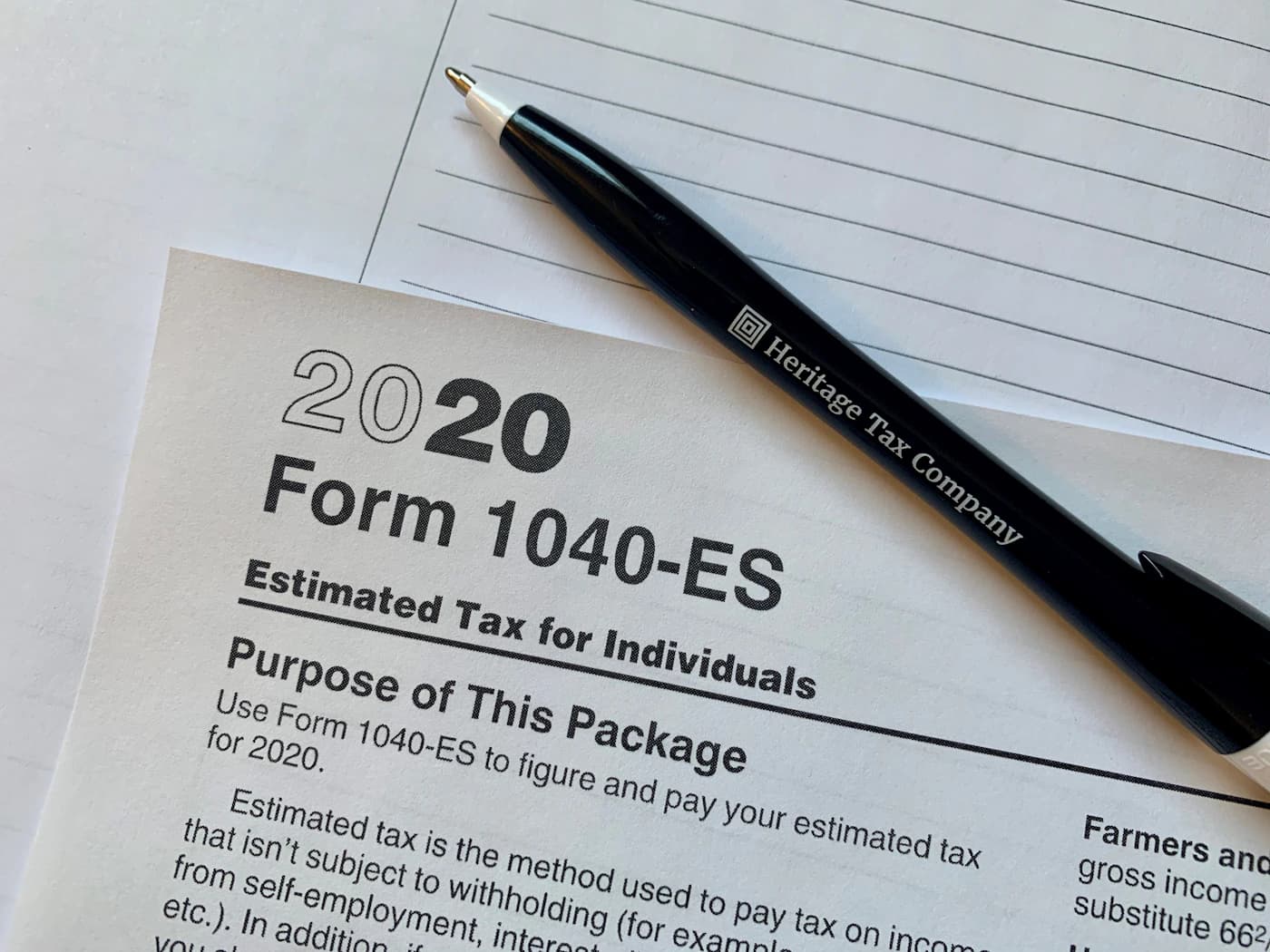
Franchise Tax is an annual tax all businesses in California must pay to operate within the state. This tax is mandatory for both LLCs and corporations, regardless of income.
Franchise Tax Rates:
- Minimum of $800: All businesses, including LLCs and S-Corps, must pay at least $800 annually, even without income.
- C-Corporations: In addition to the $800 minimum, C-Corps with income pay an 8.84% rate on net income, as mentioned earlier.
Tip: Don’t overlook this tax, as it is mandatory even for businesses that are inactive or generate no income during the year.

5. Property Tax
If your business owns real estate or tangible assets (like machinery or equipment), you must pay Property Tax in California. This tax is levied locally and varies by county.
Property Tax Rates:
- Average Rate: Approximately 1.1% of the assessed property value.
- Exemptions: Some exemptions exist, such as for properties used for religious or charitable purposes.
How Can We Help You Manage Your Company's Taxes in California?
At Prodezk, we understand that managing business taxes in California can be complex due to the variety of levies and obligations. From Sales Tax and Corporate Income Tax to Property Tax and other local taxes, every detail counts to avoid penalties and optimize your tax burden.
Our Services Include:
- Personalized Advice : We help you understand all the taxes your business must pay and develop strategies to minimize your tax burden.
- Tax Filing : We prepare and file all necessary state and federal tax forms, ensuring compliance with California regulations, including Franchise Tax, Sales Tax, and Property Tax.
- Property Tax Management: We assist in calculating and paying taxes on commercial properties, machinery, or other tangible assets, ensuring you take advantage of available exemptions.
Contact us for a free consultation and ensure your business taxes in California are managed efficiently and in compliance with current regulations.



A firm or advisor? Refer clients and build alongside Prodezk.
Further reading

Commerce4 min read
What Are Master Points?
This article explains what master points are in the music industry, how they are negotiated and distributed, and their importance for artists and producers.

Commerce6 min read
How to Start an Import and Export Business in the United States
Learn the steps to start an import and export business in the U.S., including legal requirements, licenses, and customs regulations.

Commerce4 min read
Requirements to Export to the US
To export goods to the United States you generally need a US or registered foreign entity, an EIN, an importer of record and often a customs broker, plus the shipping documents and agency compliance for your product.