


The JournalTaxes
No US Tax Due? You Still Have to File
By Andres Platts · June 29, 2026 · 5 min read
Quick answer
Yes. With zero US tax due, a foreign-owned US LLC must still file Form 5472, a pro forma 1120, and its state report. Filing nothing risks a $25,000 penalty.
Yes. A foreign-owned US LLC with no US income tax to pay must still file Form 5472 together with a pro forma 1120 to the IRS each year, and keep its state annual report current. The duty to file is informational and is separate from the duty to pay, which is why owing nothing does not excuse filing nothing.
It is one of the most natural assumptions a non-resident owner makes. No profit, no tax, nothing to do. The structure of the US system works the other way around. Some of its most important obligations exist to give the IRS and your state visibility into the company, regardless of whether a single dollar of tax is owed. Here is what those obligations actually are, and what is at stake if you treat a quiet year as a year off.

Does a US Company With No Profit Still Have to File?
Yes, in almost every case. A company with no revenue or no profit still exists in the eyes of the IRS and its state of formation, and both expect to hear from it on schedule. The filings that remain are informational at the federal level and administrative at the state level. They confirm the company is real, who stands behind it, and that it is still in good standing. None of that depends on whether you earned anything.
What Is a Zero-Activity or Nil Filing?
A nil filing is a return you submit reporting little or no activity for the year. The company had no meaningful operations, so the forms are largely blank, but they are still filed on time and in full. The point is not the numbers on the page. It is the act of filing itself, which keeps the company current and tells the authorities exactly where things stand. A dormant company is not an invisible one.
Which Filings Are Still Required?
Two obligations sit at the center for a foreign-owned single-member LLC. The first is federal and the second is at your state. Both come due even in a year with no income, and both have their own calendar.
A company with no revenue or no profit still exists in the eyes of the IRS and its state of formation, and both expect to hear from it on schedule.
- Federal: Form 5472 filed together with a pro forma 1120. This information return discloses transactions between the company and you, its foreign owner. The capital you contribute counts as a reportable transaction, so the filing is due even with no revenue. See Form 5472 and its $25,000 penalty for the full picture.
- State: an annual report, and in some states a franchise tax, to keep the company in good standing. The dates and amounts vary by state, and a registered agent must remain in place to receive the notices. Our annual report service tracks and files these so nothing lapses.
- BOI: under FinCEN's 2025 interim final rule, most domestic reporting companies are no longer required to file a beneficial ownership report, while many foreign reporting companies still are. The rules here changed recently and continue to be refined, so confirm your specific status rather than assuming either way.
If you want the wider context of what a non-resident owner actually owes versus what they merely have to report, what a foreign owner actually owes the IRS walks through the full set of duties and how they differ from one another.
What Happens If I Skip It Because I Owed Nothing?
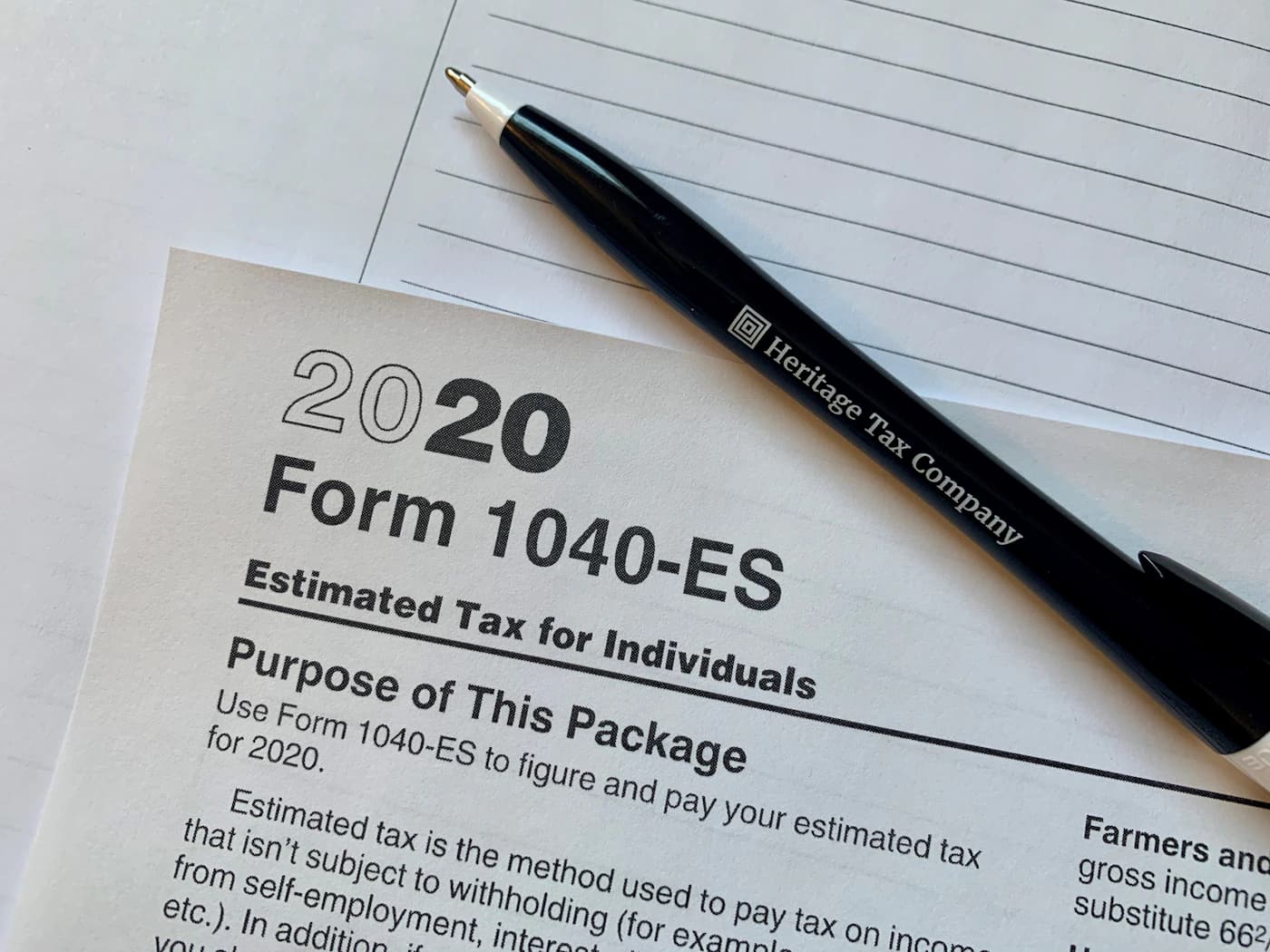
The penalty arrives regardless of tax owed. A late or missing Form 5472 carries a $25,000 penalty, and that figure is automatic. It is tied to the failure to file, not to any tax due, so a year in which you owed nothing can still produce a five-figure penalty for skipping the form. The reasoning many owners find intuitive, no tax means nothing to file, is precisely the reasoning that triggers it.
At the state level the consequence is slower but no less serious. Miss enough annual reports and the company falls out of good standing, and eventually the state can administratively dissolve it. Reviving a dissolved company is a longer and more expensive path back than simply filing on time would ever have been. Both outcomes are entirely avoidable with a calendar and a steady hand.
Do I Need an Advisor for a Nil Filing?
The work itself is mechanical. The cost of getting it wrong is not. A nil filing is a short set of forms, but the $25,000 penalty for a missed or incomplete Form 5472 does not soften because the year was quiet. What an advisor provides is certainty: that the right forms went to the right place, on time, complete, every year, without you having to track US deadlines from another time zone. For a year with little activity, that certainty is most of the value.
For 24 years we have carried this calendar for founders abroad, including the quiet years when nothing seemed to be happening and the filings still had to be made. We confirm what is required, prepare and file it, and keep your company in good standing year after year. If you would rather know your obligations are handled than wonder whether you missed one, our income tax work begins with exactly that question. When you are ready, speak with a Prodezk advisor and we will set out what your company owes, and what it merely has to file.
In this series
Cross-Border Tax & Compliance
Start hereWhat a Foreign-Owned US Company Owes the IRS- Can a US State Tax My LLC If I Have Never Been There?
- Who Actually Has to File a Form 1040-NR?
- Does a US LLC Owe US Tax If Its Owner Lives Abroad?
- Do Non-Resident Owners of a US LLC Have to Make Quarterly Estimated Tax Payments?
- My US LLC Has More Than One Owner. What Do We File by September 15?
- What Is Form 5472 and the $25,000 Risk?


A firm or advisor? Refer clients and build alongside Prodezk.
Further reading

Taxes8 min read
What Is a Tax Identification Number (TIN)?, TIN vs SSN Explained
Understand the differences between a Tax Identification Number (TIN) and SSN. Which one do you need for your business in the U.S.? Discover real examples and common mistakes.

Taxes3 min read
2025 Tax Season: Key Changes and How to Prepare
As tax season in the U.S. approaches, we offer a complete guide on changes to the tax brackets for 2025. Discover updated rates, deductions, benefits, and strategies to make the most of the fiscal adjustments, ensuring an optimized tax return for the upcoming year.

Taxes17 min read
Why Doesn’t the United States Have a VAT? Key Differences Between VAT and US Sales Tax
Explore VAT in the United States: Why there's no federal system, how sales tax works across states, and implications for international businesses in 2026. Learn compliance tips, refunds, and cost-saving strategies from experts. Get started with Prodezk today!