


The JournalTaxes
Key Tax Forms Guide for Filing Taxes in the United States
By Andres Platts · June 5, 2025 · 5 min read
Quick answer
Understanding tax obligations in the United States is crucial for business owners and entrepreneurs, both domestic and foreign. This article explores the key tax forms you need to know to meet your tax responsibilities: Form 1065 for partnerships, Form 1040/1040NR for resident and non-resident individuals, Form 1120 for corporations, and Form 5472 for certain foreign-owned entities. We’ll analyze the purpose of each form, who is required to file them, and their filing deadlines.


Fulfilling tax obligations in the United States can seem complex, especially given the variety of forms required depending on the type of entity and tax situation. It is essential to know which forms apply to your case, their filing deadlines, and their implications.
Below is a detailed guide on the most common and relevant tax forms required for filing taxes in the U.S.

1. Form 1065: U.S. Return of Partnership Income
Form 1065, known as the "U.S. Return of Partnership Income," is used by partnerships in the United States to report income, deductions, gains, and losses .
Although the partnership itself does not pay income tax, it must file this form to report financial activity to the Internal Revenue Service (IRS) . Each partner must then report their share of the income or losses on their individual tax returns, with possible withholding requirements.
Who Must File?
All partnerships formed in the U.S. or conducting business within the country must file Form 1065, including:
- Domestic and foreign partnerships operating in the U.S.
- Partnerships with gross income or deductions.
Filing Deadline
The deadline for filing Form 1065 is March 15 of the year following the reported tax year. If March 15 falls on a weekend or holiday, the deadline is extended to the next business day.
A six-month extension can be requested using Form 7004, extending the deadline to September 15 . However, this does not apply to tax payments, only to the filing of the form.

2. Form 1040/1040NR: Individual Income Tax Return
Form 1040 is the standard tax return form for individuals in the U.S. U.S. citizens and permanent residents use this form to report annual income and calculate their tax liability.
What is Form 1040NR?
Form 1040NR is designed for non-resident aliens who have earned income in the United States. It allows non-residents to report their U.S.-source income and determine the taxes owed.
The deadline for filing Form 1065 is March 15 of the year following the reported tax year.
Who Must File?
- Form 1040 : U.S. citizens, green card holders, or resident aliens meeting the substantial presence test who earned income during the year.
- Form 1040NR : Non-resident aliens who: Conducted a trade or business in the U.S. Received U.S.-source income subject to taxation.
- U.S. citizens, green card holders, or resident aliens meeting the substantial presence test who earned income during the year.
- Non-resident aliens who: Conducted a trade or business in the U.S. Received U.S.-source income subject to taxation.
- Conducted a trade or business in the U.S.
- Received U.S.-source income subject to taxation.
Filing Deadline
- Form 1040 : Due by April 15 of the following year. If April 15 falls on a weekend or holiday, the deadline is extended to the next business day.
- Form 1040NR : Due June 15 for non-residents without employees in the U.S. Due April 15 for LLC disregarded entities with employees.
- Due June 15 for non-residents without employees in the U.S.
- Due April 15 for LLC disregarded entities with employees.

3. Form 1120: U.S. Corporation Income Tax Return
Form 1120, known as the "U.S. Corporation Income Tax Return," is used by corporations in the U.S. to report income, gains, losses, deductions, and credits, as well as to calculate tax liability.
Who Must File?
- Domestic and foreign corporations operating in the U.S. ( Foreign corporations must file Form 1120-F ).
- Entities electing corporate tax treatment for tax purposes.
Filing Deadline
The deadline for filing Form 1120 is April 15 of the year following the tax year. If April 15 falls on a weekend or holiday, the deadline is extended to the next business day.
Corporations can request a six-month extension using Form 7004, extending the filing deadline to October 15 .
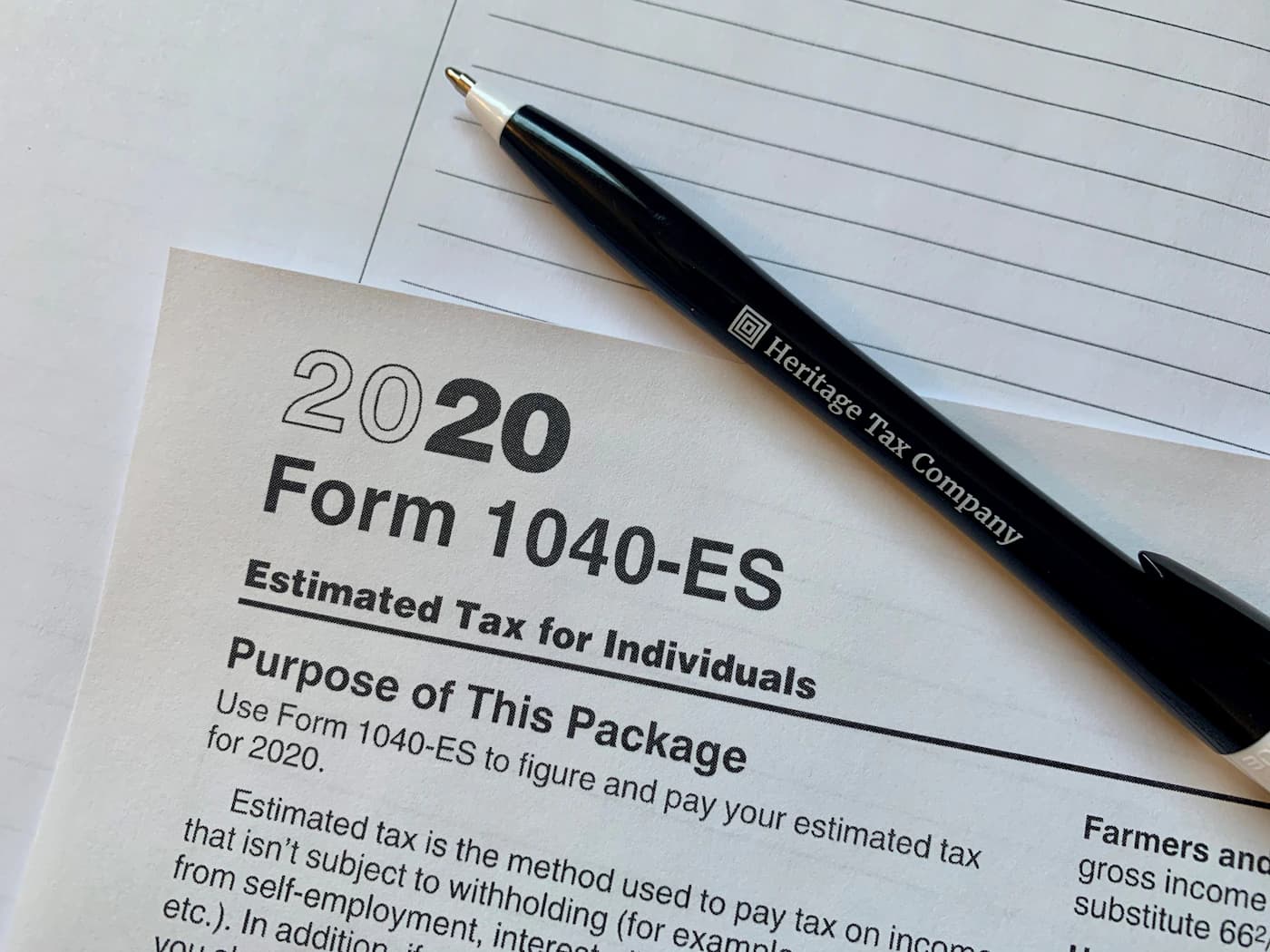
4. Form 5472: Information Return for Foreign-Owned Corporations
Form 5472, titled "Information Return of a 25% Foreign-Owned U.S. Corporation or a Foreign Corporation Engaged in a U.S. Trade or Business," is required for reporting certain transactions between a U.S. corporation with at least 25% foreign ownership and its related parties.
It is also required for foreign entities conducting business in the U.S. .
Who Must File?
- U.S. corporations with at least 25% foreign ownership.
- Foreign entities engaged in a trade or business in the U.S.
- Single-member LLCs (disregarded entities) owned by foreign individuals or entities.
Filing Deadline
Form 5472 must be filed alongside Form 1120 or 1120-F, following the same deadlines.
For single-member LLCs with foreign owners, a pro forma Form 1120 must be submitted along with Form 5472 .

5. How We Can Help
Complying with U.S. tax regulations can be complex, but Prodezk is here to support you. We can help you:
- Accurately calculate gross income tax obligations.
- Prepare and file your tax returns on time to avoid penalties.
Conclusion
Navigating the U.S. tax system requires a clear understanding of the necessary tax forms and their deadlines . Filing the correct forms on time is essential to comply with tax obligations and avoid penalties .
If you need assistance with tax preparation and filing, Prodezk is here to help you manage your taxes efficiently and in full compliance with the law.
Explore More Resources:
- 2025 Tax Filing Guide
- How Much Taxes Does an LLC Pay?
- How to Calculate Tax Payments in the U.S.
- Tax Withholding for Non-Resident LLC Owners
- Tax Credits and Deductions for Businesses in the U.S.
- How Multi-Member LLCs Are Taxed in the U.S.



A firm or advisor? Refer clients and build alongside Prodezk.
Further reading

Taxes8 min read
What Is a Tax Identification Number (TIN)?, TIN vs SSN Explained
Understand the differences between a Tax Identification Number (TIN) and SSN. Which one do you need for your business in the U.S.? Discover real examples and common mistakes.

Taxes3 min read
2025 Tax Season: Key Changes and How to Prepare
As tax season in the U.S. approaches, we offer a complete guide on changes to the tax brackets for 2025. Discover updated rates, deductions, benefits, and strategies to make the most of the fiscal adjustments, ensuring an optimized tax return for the upcoming year.

Taxes17 min read
Why Doesn’t the United States Have a VAT? Key Differences Between VAT and US Sales Tax
Explore VAT in the United States: Why there's no federal system, how sales tax works across states, and implications for international businesses in 2026. Learn compliance tips, refunds, and cost-saving strategies from experts. Get started with Prodezk today!